Last updated November 22, 2026
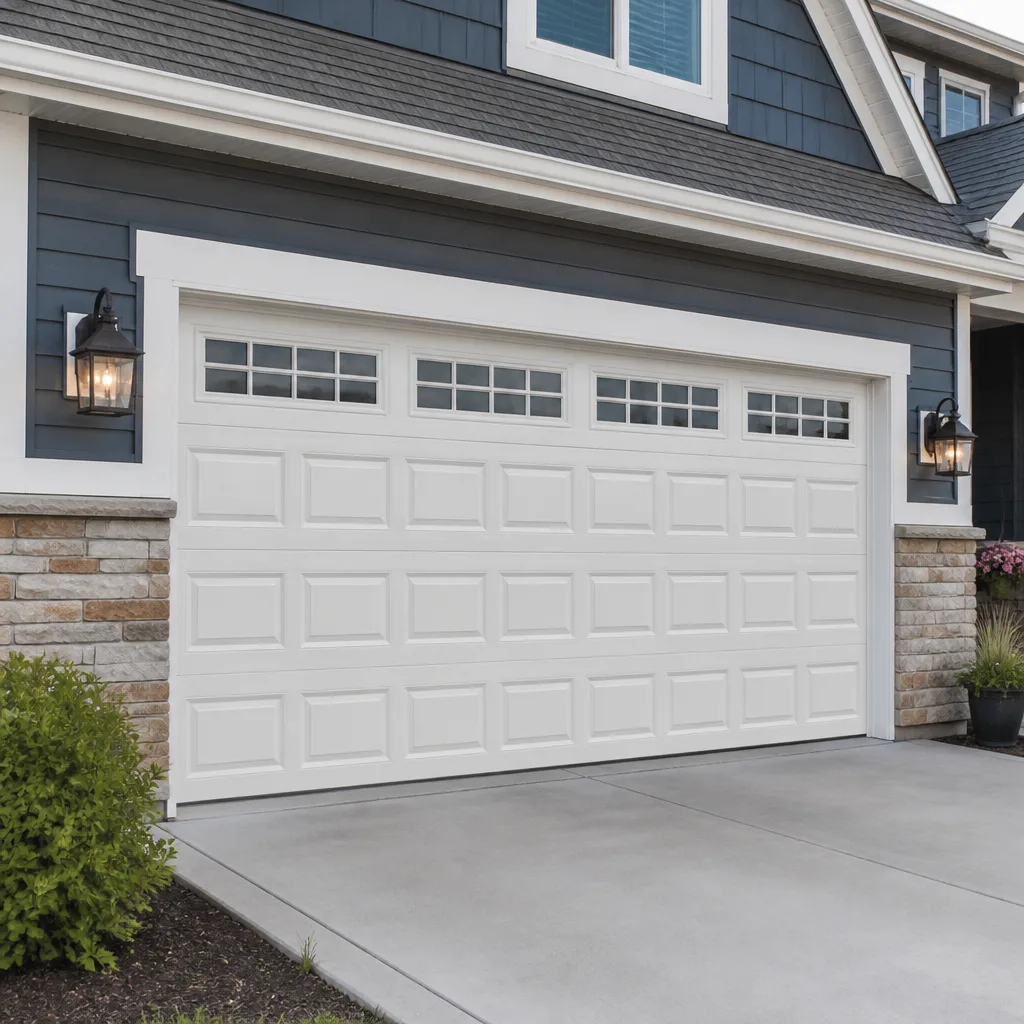 Raised-panel steel
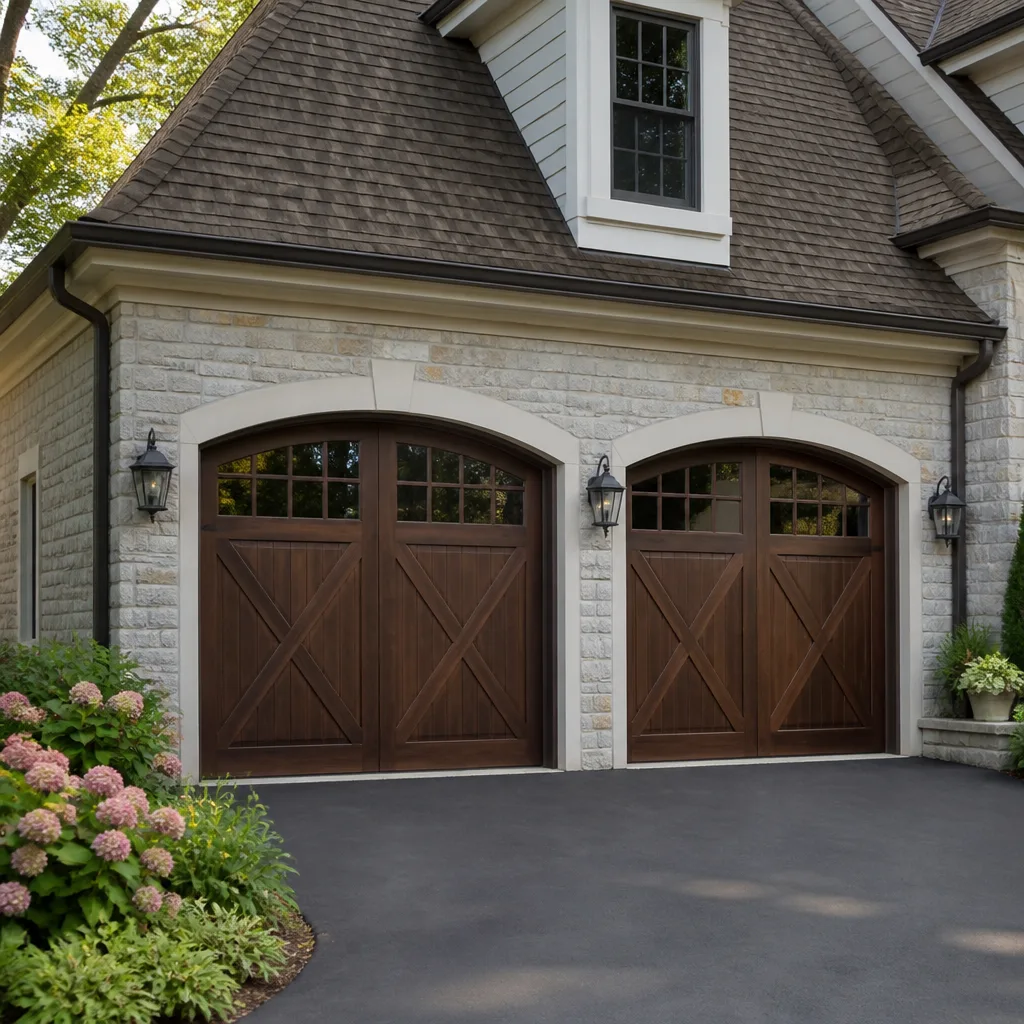 Carriage house
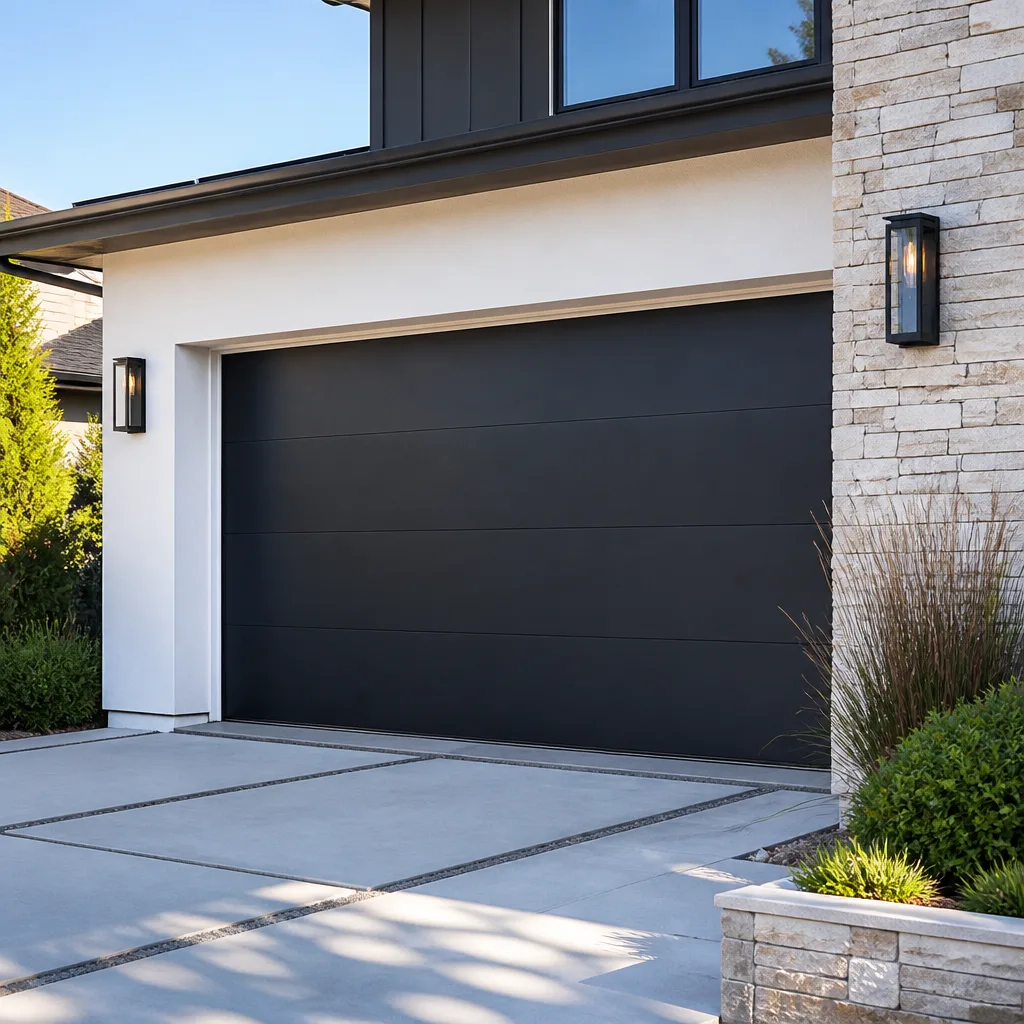 Modern flush
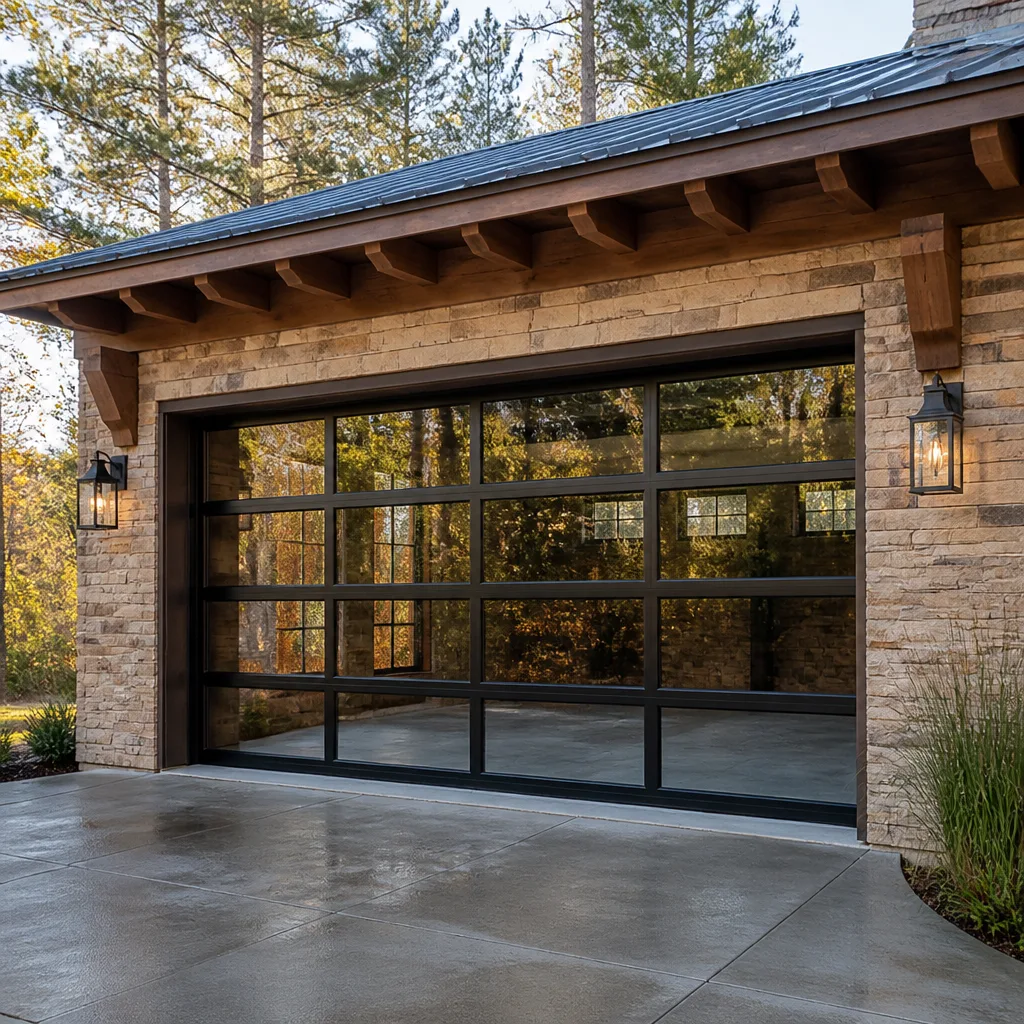 Full-view glass
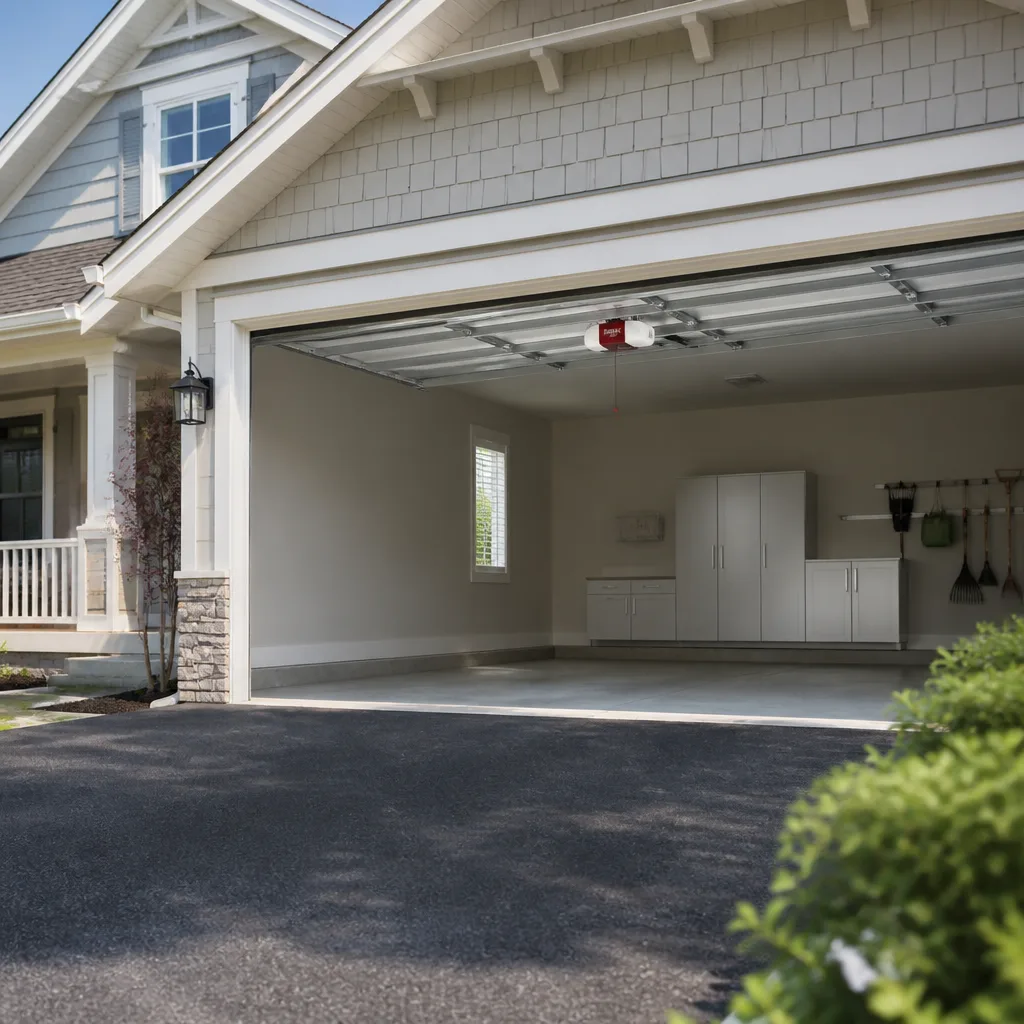 LiftMaster openers
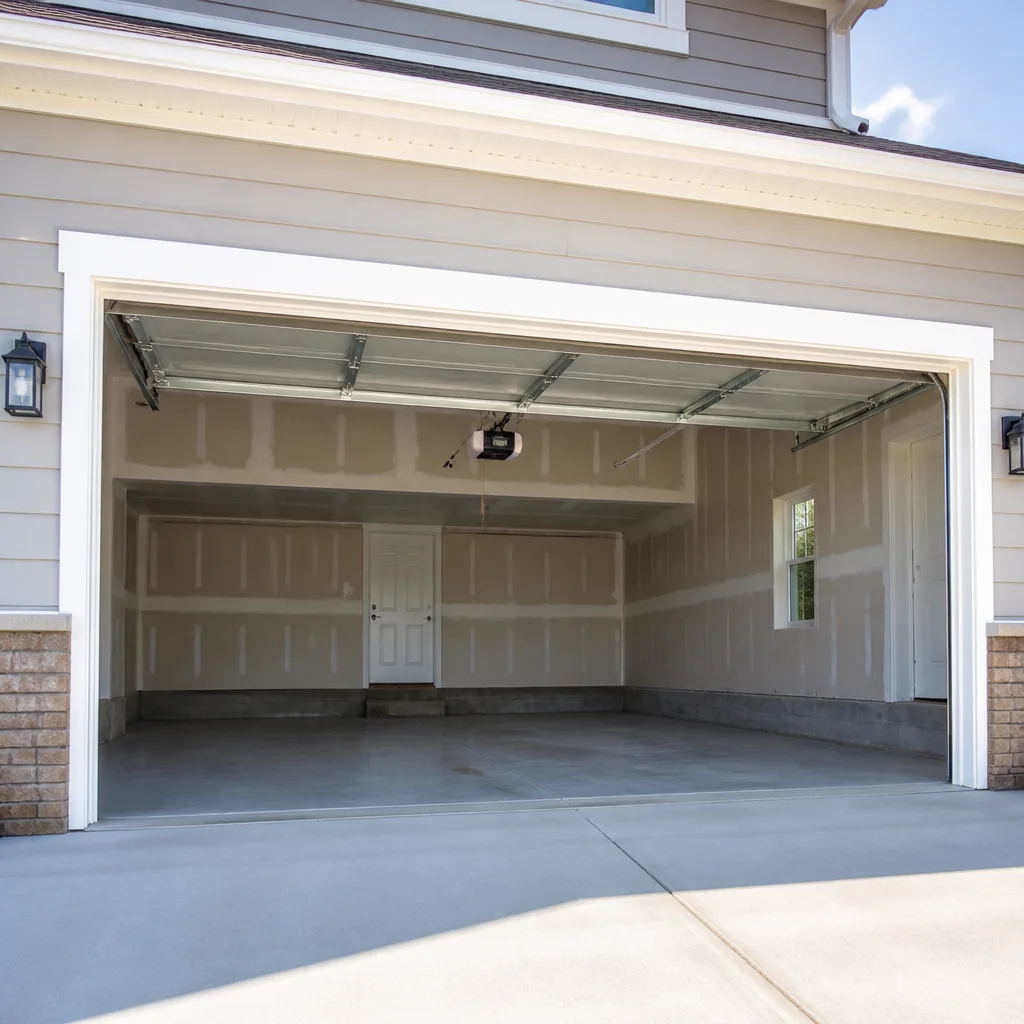 Chamberlain openers
Full 25-point door and opener safety check with every visit - springs, cables, rollers, tracks, and your LiftMaster or Chamberlain opener included
You get a price before we start. It does not change when the pro arrives.
Get your free estimateGarage Door Emergency Preparedness Guide for Bethlehem Homes
Most garage door advice tells you to keep the door balanced, lubricated and quiet. That’s fine as far as it goes. But the failure that actually upends a household in Bethlehem happens on a cold January night, when a torsion spring snaps with the car inside and the door locks itself down. If that spring breaks, the door is no longer holding itself up with spring tension; a section of it is now loaded in a way the hardware was never meant to carry, and pulling the emergency release cord at that moment can let the door drop without warning. This guide is about the hour before a technician arrives: what to do, what not to touch, and what to have written down now so you’re not searching in a panic. You’ll learn the correct release procedure for a spring failure versus an electrical one, how to close a gap in a door that won’t shut, and the details to give an emergency technician so the right parts come with them.
Quick Answer
A broken garage door spring is an emergency because you can’t safely open the door by hand and you can’t rely on the opener to lift it. The safe moves are to leave the door closed, keep people and vehicles clear, and call a specialist who handles torsion and extension springs. If the problem is electrical instead (an opener that won’t respond, a power outage), the manual release is designed for exactly that and you can operate it yourself with care. Knowing which of those two situations you’re in before you act is the single most important decision in a garage door emergency in Bethlehem.
Styles & brands we work with
- Raised-panel steel
- Carriage house
- Modern flush
- Full-view glass
- LiftMaster openers
- Chamberlain openers
Table of Contents
- Why a Garage Door Failure Hits Harder in Bethlehem
- Broken Spring vs. Electrical Failure: Two Different Emergencies
- The Emergency Release Cord: When to Pull It and When Not To
- How to Secure a Garage Door That Won’t Close
- Power Outage Protocol: Disconnect and Re-Engage Without Damage
- What to Have Documented Before You Ever Need It
- What to Tell an Emergency Technician When You Call
- Seasonal Checks That Prevent Most Winter Failures
Why a Garage Door Failure Hits Harder in Bethlehem
Bethlehem winters are hard on garage door hardware in a way that flat, mild climates simply aren’t. The freeze-and-thaw cycle that runs through a Lehigh Valley season works metal constantly, and a torsion spring that has cycled thousands of times in its life is more likely to fail on the coldest morning of the year than on a mild afternoon. Cold makes steel less forgiving and lubricant thicker, so an opener has to work harder to move the same door. That’s not a sales pitch; it’s the mechanical reality of a door that faces real winter.
There’s a second factor that’s specific to homes here, and it’s about how the garage is used. Across Bethlehem, from the older homes near the Historic District to the family neighborhoods off Schoenersville Road and the newer developments around North Bethlehem, the garage is often the main door a household walks through every day. It’s where the car sits, where the recycling goes out, where kids come in from the cold. When that door won’t close, you’re not missing a convenience. Your house has an open, unsecured face to the street, and in a Bethlehem January that opening also lets cold air straight into whatever the garage is attached to.
So the stakes are higher than “I’ll deal with it tomorrow.” A door that jams at 11pm or a spring that lets go with the car trapped inside is a security problem and an access problem at the same time. That’s the mindset this guide is built around: prepare a little now so the failure is a nuisance instead of a crisis.
We work on the full range of residential brands, from Clopay and Amarr panels to LiftMaster and Chamberlain openers, and the calls that go smoothly are almost always the ones where the homeowner already knows what kind of door and opener they have.
Broken Spring vs. Electrical Failure: Two Different Emergencies
The first thing to sort out when your door stops working is why. A spring failure and an electrical failure look similar from the driver’s seat, but they call for opposite responses. Getting this wrong is where people get hurt.
Signs of a broken spring
Torsion springs sit on a shaft above the door; extension springs run along the sides. When a spring breaks, it usually announces itself with a sharp bang, and afterward the door feels enormously heavy and barely moves, or won’t lift at all. You may see a visible gap in the coil. The opener may strain, hum, or trip its safety reversal. If the door is down and the spring is broken, treat the door as immovable.
Signs of an electrical failure
An electrical problem leaves the door mechanically sound but unable to move on its own. The opener might click without running, the wall button might do nothing, the remotes might not respond, or the whole house may be dark after an outage. The spring is intact, and the door, though heavy, still moves freely on its tracks by hand once you disconnect it from the opener.
- Spring broken: loud bang, door extremely heavy or frozen, visible gap in the coil. Do not pull the release cord. Call for service.
- Electrical failure: door is mechanically free, opener won’t run, remotes dead, or power is out. The manual release is safe to use here.
- Unsure: if the door won’t lift with moderate hand pressure from underneath and you haven’t disconnected anything, assume a spring and keep everyone clear.
This is the distinction most people never think about until they’re standing in a cold garage at midnight. Learning it now is the whole point of being prepared.
The Emergency Release Cord: When to Pull It and When Not To
The emergency release cord hanging from your opener is not a universal “fix everything” handle. It disconnects the door from the opener’s carriage so the door can be moved by hand. Whether that’s safe depends entirely on why the door stopped.
When the spring is broken: leave the cord alone
Do not pull the release cord if you suspect a broken spring. With a spring broken, the door is no longer counterbalanced properly. When it’s closed, it’s holding its own weight in an unsafe configuration, and disconnecting the opener removes the one thing that might keep it from moving unexpectedly. Pulling the release in this state can let the door drop, and a sectional garage door is heavy enough to cause serious injury. Keep people, kids and pets away from the door, and leave the mechanism exactly as it is until a technician arrives.
When the opener has failed electrically: the release is designed for this
If the opener won’t run but the spring is intact, you can use the manual release to move the door, and this is the scenario the cord exists for. Do it this way:
- Make sure no one is standing under or near the door.
- With the door fully closed, grip the release cord and pull it firmly toward you (the door’s direction of travel) until the trolley disengages. You’ll usually hear it click free.
- Lift the door slowly and evenly with both hands, letting it rise on its tracks. Use your legs, not your back.
- To lower it, guide it down gently and steadily; don’t let it fall.
If at any point the door feels far heavier than it should or won’t stay up on its own, stop and treat it as a spring problem. When a spring lets go, the correct call is a professional, and that’s the work our garage door repair service is built around.
How to Secure a Garage Door That Won’t Close
A door stuck open is a genuine security gap, and in Bethlehem’s cold months it’s a cold-air gap too. Until a technician arrives, the goal is to close off the opening safely without forcing the mechanism. Never try to force a stuck door down by hand or with the opener; you can bend panels, pop the door off its tracks, or strain the opener’s gears. Here’s the safe approach:
- Clear the opening. Make sure nothing (a bike, a bin, a child’s toy) is blocking the door’s path or the safety sensors at the base.
- Check the sensors. If the door reverses immediately after starting down, the photo-eye sensors near the floor may be misaligned or dirty. Wipe the lenses and check that they face each other. Many “won’t close” calls are a blocked or misaligned sensor, not a door failure.
- Lower it manually only if it’s safe. If the door is mechanically sound and disengaged, guide it down by hand and stop before it meets the floor.
- Block the opening from the inside. If the door truly can’t be closed, park a vehicle close behind it if you can, and keep interior doors to the house shut and locked.
- Don’t prop it with anything that could shift. A wedged chair or board under a heavy sectional door can slide and let the door fall.
If the door is down but the gap along the bottom or sides is open, a temporary seal isn’t a repair, but it does keep weather and pests out until we can look at the door. Getting the door moving again is the priority, and a stuck-open door in a Bethlehem winter is exactly the kind of urgent situation our emergency service is meant for. When the trouble is the drive system rather than the door itself, garage door opener repair handles it.
Power Outage Protocol: Disconnect and Re-Engage Without Damage
Power outages aren’t rare in a Bethlehem winter, and the garage door is one of the first things people miss. The manual disconnect is the tool for this, and using it and then re-engaging correctly is what keeps the opener’s trolley from being damaged when the power comes back.
Disconnecting during an outage
With the door closed and the spring intact, pull the release cord to free the trolley. Move the door by hand as described above. Avoid leaving the door partway open for long; bring it down and secure the opening.
Re-engaging when power returns
The mistake people make is pressing the opener button while the trolley is still disconnected. Nothing happens, or worse, the opener runs and the carriage catches awkwardly. To reconnect properly:
- Make sure the door is fully closed and the opener has power again.
- Pull the release cord once more so the trolley’s lever is in the re-engage position, then run the opener a short distance toward the door. On most LiftMaster and Chamberlain openers, the carriage reconnects automatically as the trolley meets it; on some Genie units you may need to slide the lever back into the engaged position by hand.
- Press the wall button and watch the door make one full cycle up and down. If it binds, reverses, or makes a new noise, stop and have it checked rather than cycling it repeatedly.
If the opener’s travel limits or force settings drifted during the outage, the door may reverse or stop short. That’s an opener adjustment, not a door failure, and it’s a quick fix for a technician who knows your brand.
What to Have Documented Before You Ever Need It
The best emergency prep takes ten minutes on a calm day. When something fails, you’ll be cold, annoyed and in a hurry, and that’s the worst time to be reading model numbers off a label with a flashlight. Put this information somewhere you can find it fast: a note on your phone, a paper taped inside a garage cabinet, or both.
- Door brand and model. If it’s a Clopay, Amarr, Wayne Dalton or Raynor, the brand is often on the door’s end stile or a label on the bottom section. This tells a technician what panels and hardware fit.
- Spring type. Torsion (on a shaft above the door) or extension (along the sides). One look tells you which, and it determines what parts come on the call.
- Opener brand and model. LiftMaster, Chamberlain, Genie and Craftsman are the common ones. The model is on a label on the motor housing or the back of the unit. It tells us which remotes, logic boards and gears are compatible.
- A photo of each. Snap pictures of the door, the springs and the opener label. Photos catch details a scribbled note won’t.
- A pre-vetted technician number. Program the number of a garage door specialist you’ve already decided to call into your phone. In a panic, you want to dial a saved contact, not scroll through search results and hope.
Have that information ready and any emergency call gets shorter and more accurate. When it’s time to plan ahead rather than react, our garage door installation page is where a homeowner starts thinking about a full replacement.
What to Tell an Emergency Technician When You Call
What you say in the first minute of the call decides whether the technician arrives with the right parts or makes a wasted trip. Give these details right away:
- Spring or opener. Say which one failed, or that you aren’t sure. “The door won’t move and I heard a bang” points to a spring; “the opener won’t run but the door moves by hand” points to an opener.
- Door position. Is it stuck open, stuck closed, or partway? A door stuck open is a security issue and gets priority.
- Whether the car is inside. If your only vehicle is trapped, that changes what you need and how quickly.
- Brand and model, if you have them. From the documentation above. This is where a specialist’s brand familiarity pays off: knowing it’s a Chamberlain opener or a Clopay door before the technician leaves means the right hardware travels with them.
- What you’ve already tried. Did you pull the release cord? Press the wall button? Reset a breaker? This helps the technician avoid repeating steps.
- Access details. Anything that makes reaching the garage or the door tricky, like a tight driveway or a car blocking the door.
Give it plainly and you’ll get a straight answer on what’s likely wrong and what the visit involves. We’d rather ask these questions up front than arrive and find we’re missing a part for a door that’s sitting open all night.
Seasonal Checks That Prevent Most Winter Failures
Most emergency calls trace back to something that gave warning weeks earlier. A short seasonal check in late fall, before the first hard freeze, catches most of it.
- Listen to the door. A door that squeaks, grinds or shudders is telling you a roller, hinge or track needs attention. A quiet door is a healthy one.
- Look at the springs. A visible gap in a torsion coil or a stretched, sagging extension spring means it’s on its way out. Don’t wait for it to break with the car inside.
- Test the balance. With the door disconnected and raised halfway, it should stay put. If it drifts down, the spring tension is off and should be adjusted by a professional.
- Test the safety reverse. Put a roll of paper towels in the door’s path and close it; the door should reverse on contact. Check that the photo-eye sensors stop the door when blocked.
- Clear snow and ice from the bottom seal and tracks. Ice packed into a track is a common Bethlehem winter jam, and a track that’s been bent by forcing a frozen door is a bigger repair.
- Keep the tracks clean. Wipe them down; don’t grease the tracks themselves, since that attracts grit. A little lubricant on rollers and hinges helps in cold weather.
Our technicians have up to 14 years of experience and have seen how these doors fail in a Lehigh Valley winter, which is why we lean hard on catching the warning signs early. It beats an emergency call in the cold.
Common Mistakes to Avoid
- Pulling the release cord when a spring is broken. This is the most dangerous mistake in a garage door emergency. The door is no longer counterbalanced and can drop; leave the cord alone and call for help.
- Forcing a stuck door down. Forcing a door that’s off its tracks or jammed bends panels and can bring the whole door down. Stop and let a technician assess it.
- Ignoring a door stuck open overnight. In Bethlehem, a garage open to the street all night is a security gap and lets cold air into the house. Secure the opening as best you can and call for service.
- Pressing the opener repeatedly during an outage. Cycling the opener while it’s disconnected from the door can strain the carriage and gears. Confirm the trolley is re-engaged first.
- Trying to adjust or replace torsion springs yourself. High-tension springs store enormous energy. This is dangerous work that needs training and the right tools; it isn’t a homeowner job.
- Calling a general handyman for a spring or opener failure. A specialist who knows the brand brings the compatible part the first time. A generalist often can’t, which is how a one-day fix turns into a week without a door.
See the difference
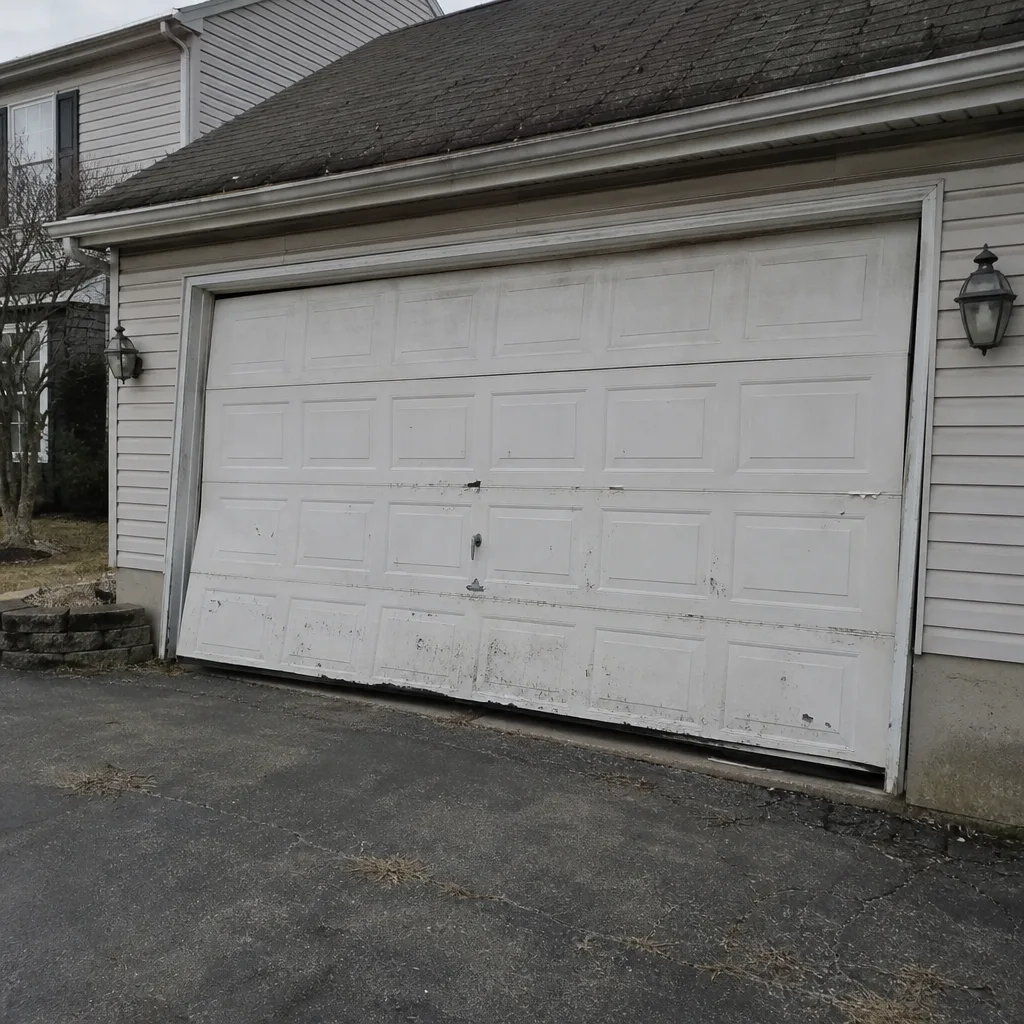 Before
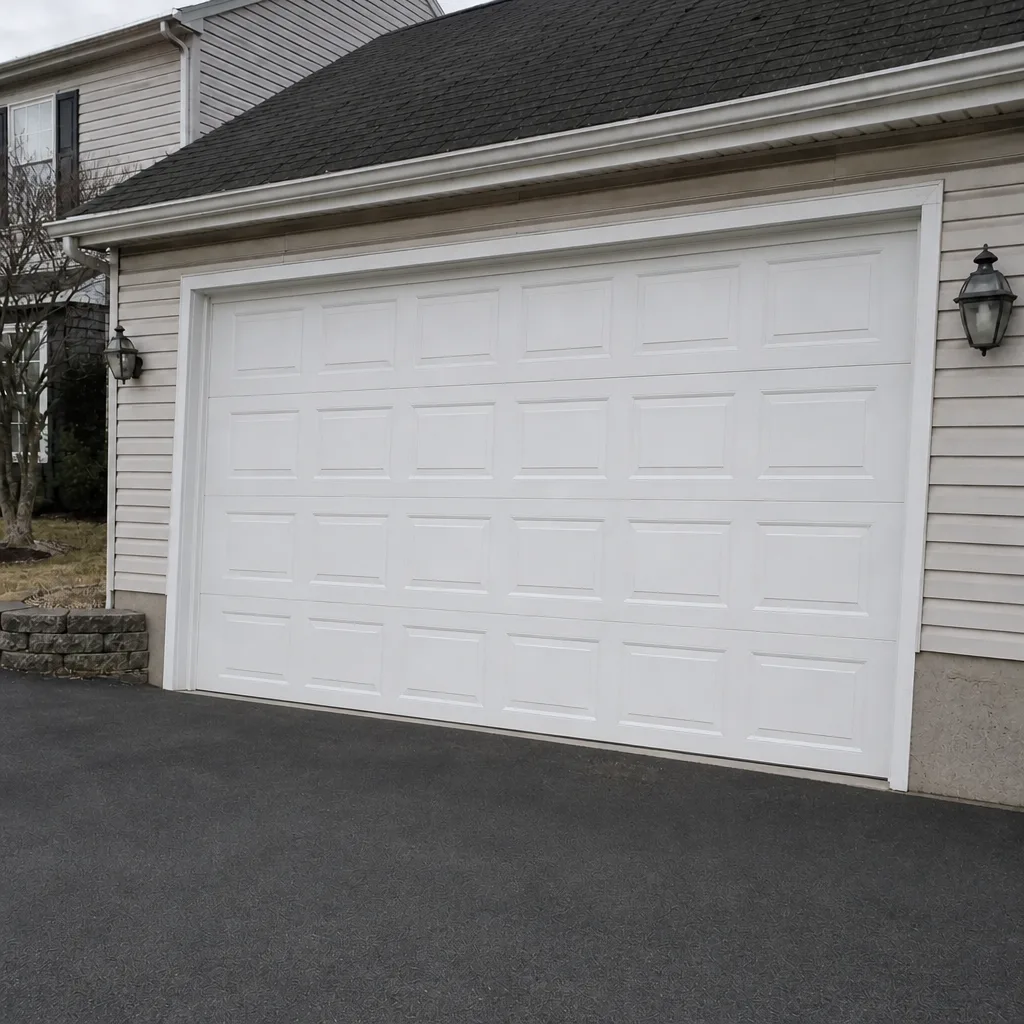 After
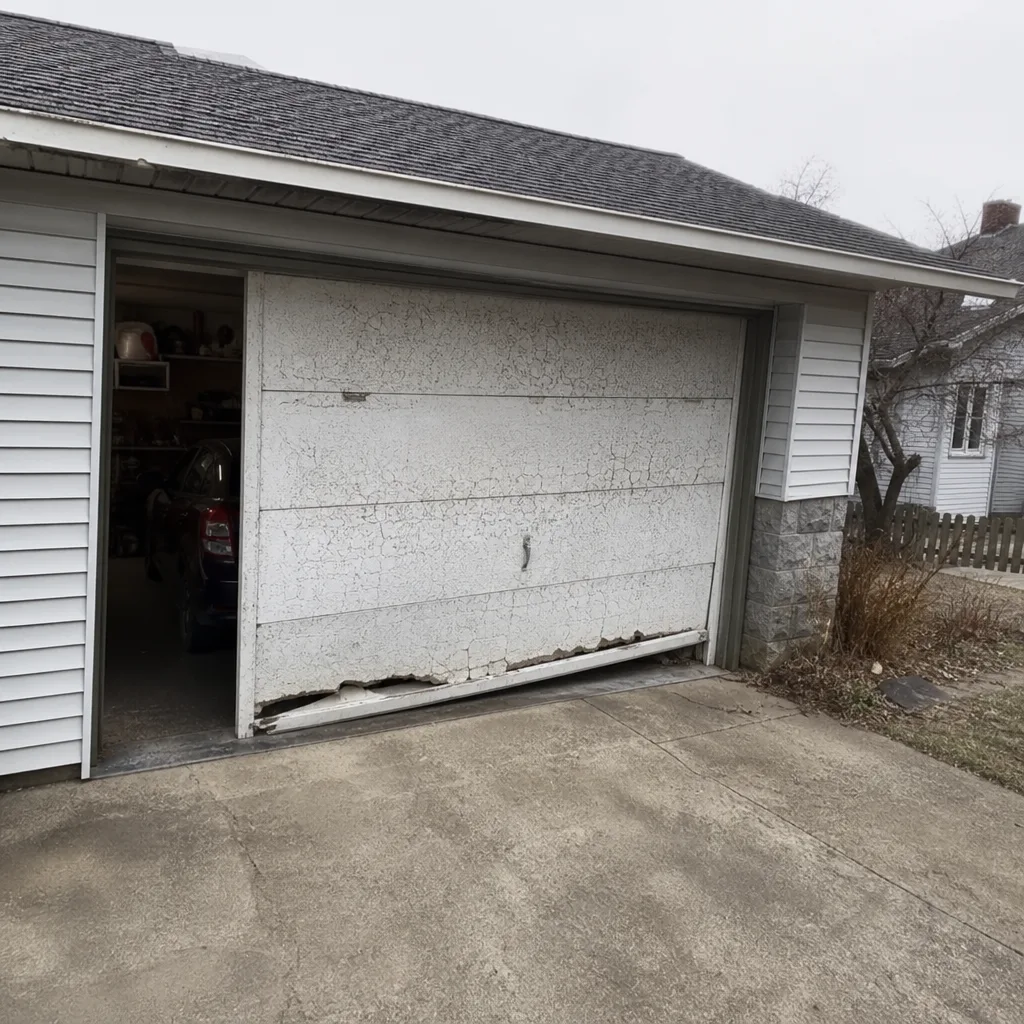 Before
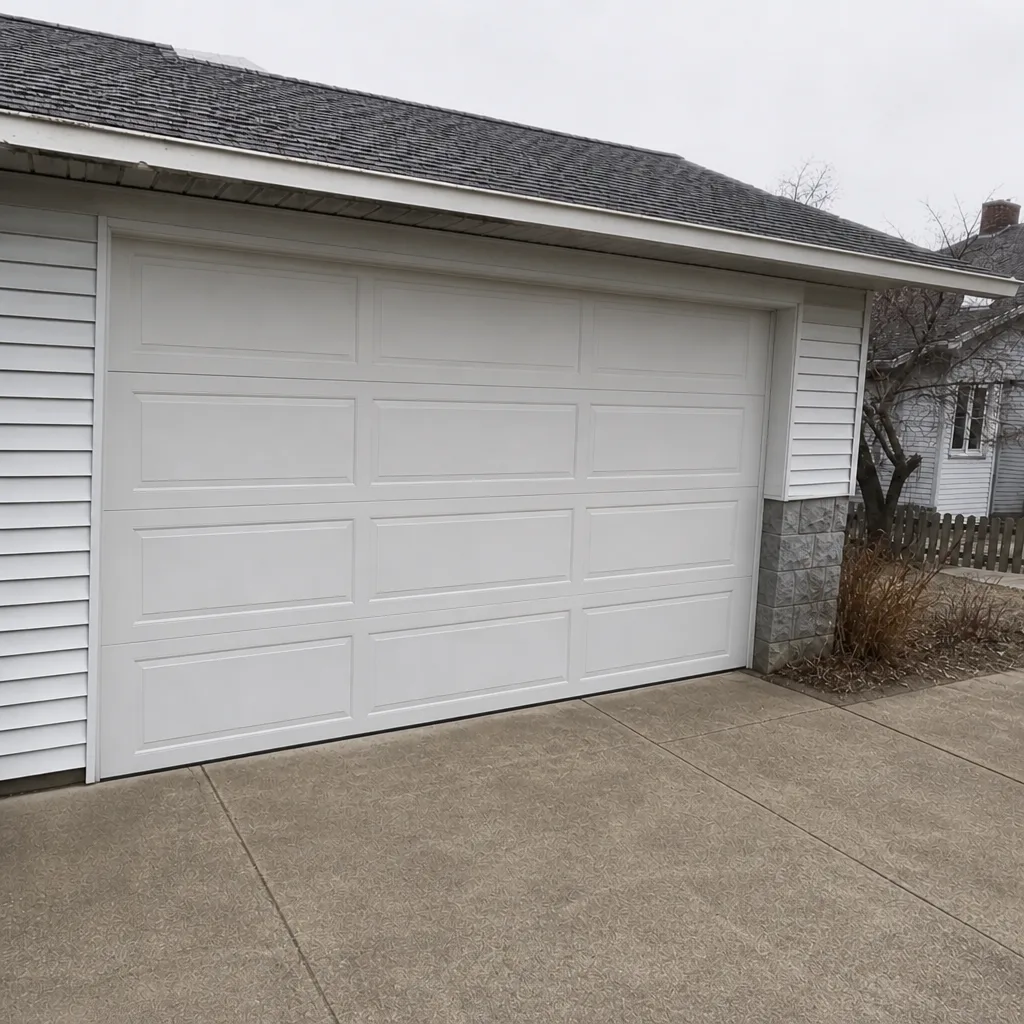 After
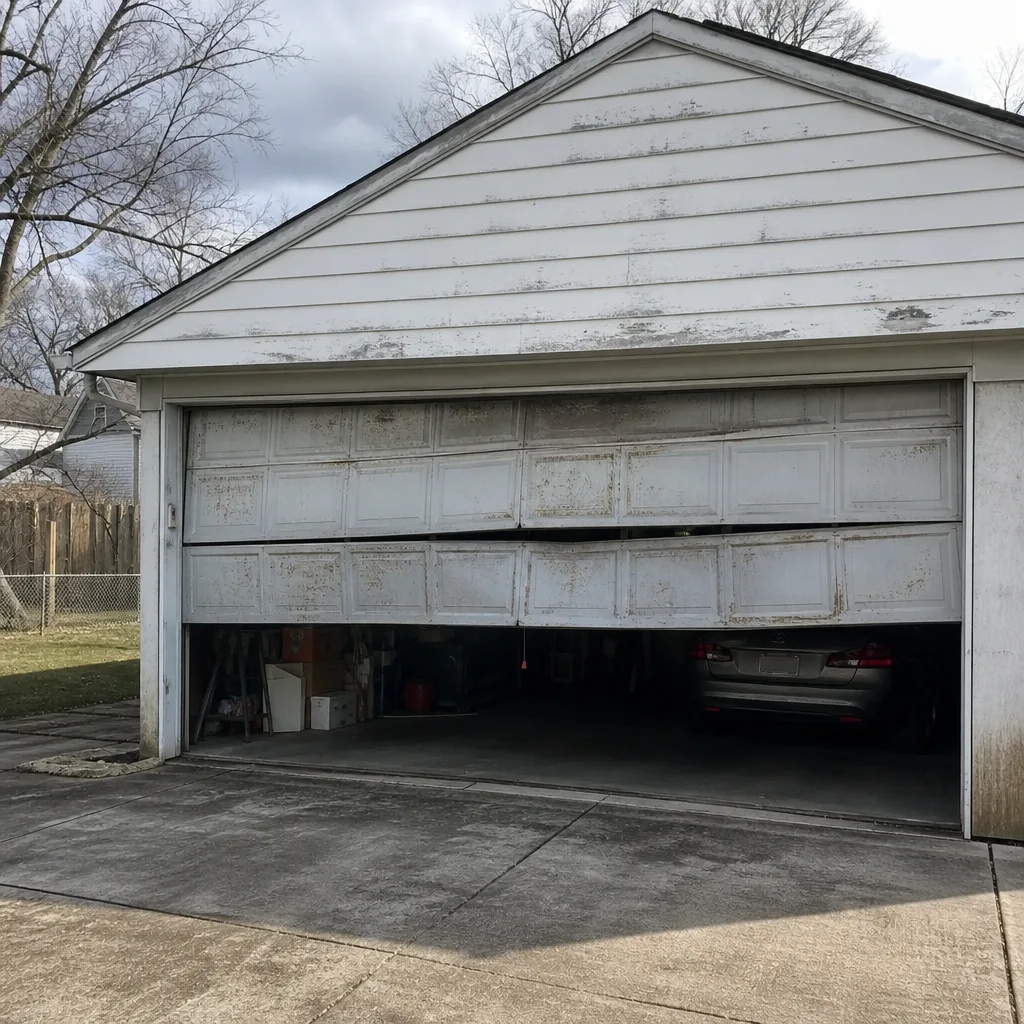 Before
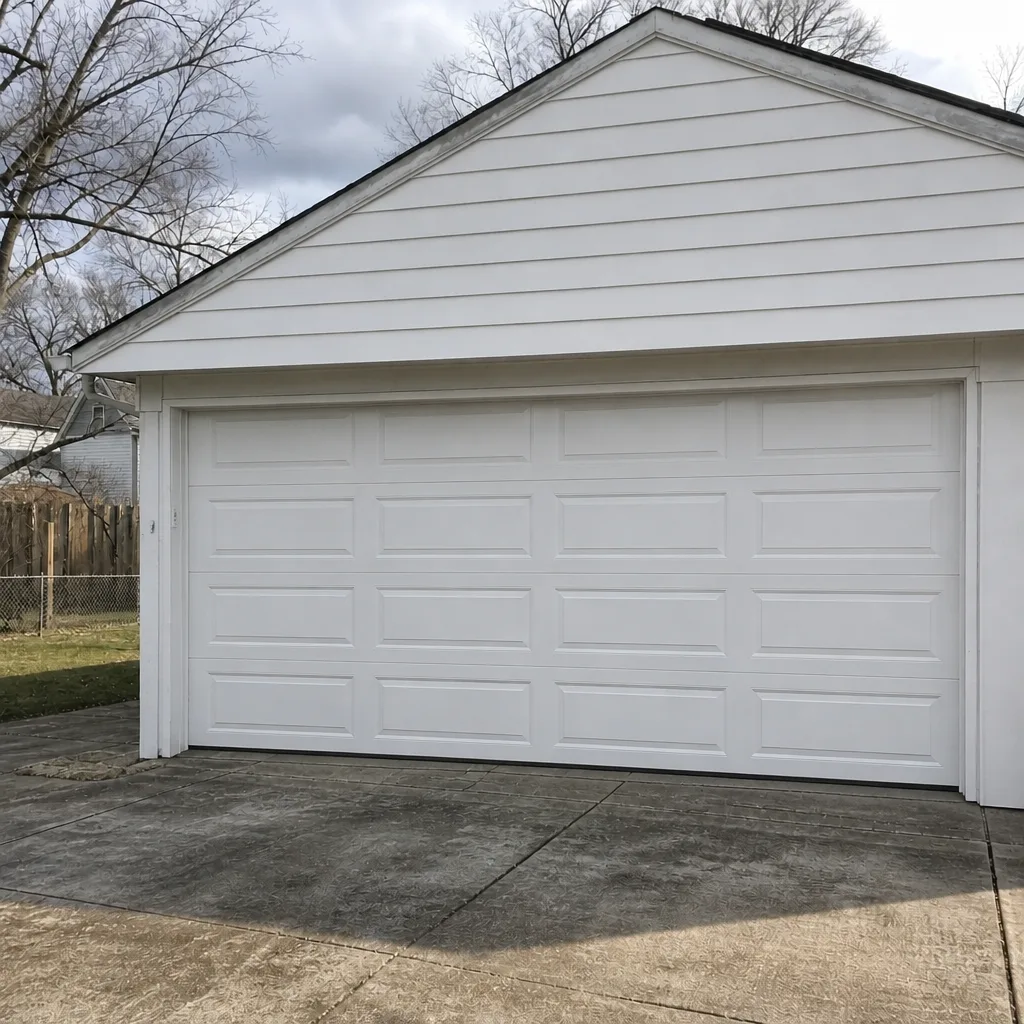 After
When to Call a Professional
Call a professional for any broken spring, a door that’s come off its tracks, a cable that’s snapped, or an opener that won’t respond after basic checks. These involve stored energy or moving parts that can hurt someone, and a specialist does the job safely and correctly. If your only vehicle is trapped, the door is stuck open at night, or you’re heading into a storm with an unsecured garage, that’s an urgent situation worth calling about right away. Bethlehem Garage Door Repair Co offers free estimates in Bethlehem; call (866) 937-7470 and give the technician the details from this guide. We’re the call homeowners make when the door won’t close before a storm, and we work on the major brands, including LiftMaster, Chamberlain, Genie and Clopay. Visit Bethlehem Garage Door Repair Co to see the full range of what we handle.
Frequently Asked Questions
Keep everyone clear of the door and leave it exactly as it is. Don’t pull the emergency release cord, because with the spring broken the door isn’t properly counterbalanced and can drop unexpectedly. Call a specialist and tell them it’s a spring failure so they arrive with the right parts and tools.
Yes, if the spring is intact and the door is mechanically sound. Pull the release cord with the door closed, then lift it slowly and evenly by hand. If the door feels far heavier than normal or won’t stay up, stop; that points to a spring problem and needs a professional, not a manual lift.
First check the safety sensors at the base of the door, since a misaligned or dirty sensor is a common cause of a door that reverses or won’t close. Clear snow and ice from the tracks. If the door still won’t close, secure the opening from the inside, keep interior doors locked, and call for service; an open garage in a Bethlehem snowstorm is a security and a weather problem at once.
Most won’t, and you shouldn’t ask them to. Torsion and extension springs store high tension and require specific training and tools to replace safely. A garage door specialist handles spring work every day; it’s the kind of job that separates a specialist from a generalist.
Make sure the door is fully closed and the opener has power, then let the opener run a short distance toward the door so the carriage reconnects. On most LiftMaster and Chamberlain openers it re-engages automatically; on some Genie units you slide the lever back by hand. Run one full cycle and watch for binding or unusual noise, and stop if something looks wrong.
Have your door brand and model, whether the springs are torsion or extension, your opener brand and model, whether the door is stuck open or closed, and whether your car is trapped inside. Photos of the door and opener label speed things up. Most important, have a specialist’s number saved before you need it rather than searching in a panic.
The Bottom Line
Garage door emergencies in Bethlehem come down to a few clear decisions made in a stressful moment. Know whether the spring is broken or the opener has failed, because the two call for opposite responses. Never pull the release cord on a broken spring, but do use it for an electrical failure. Secure a door that won’t close and treat an open garage as a security issue, not just an inconvenience. Document your door and opener details on a calm day and keep a specialist’s number saved. Do that, and a failure becomes an inconvenient call instead of a dangerous one.
If your door has stopped working, don’t wait on it. Call Bethlehem Garage Door Repair Co at (866) 937-7470 for a free estimate. We’re a garage door specialist, not a general contractor, and we handle springs, openers, panels and tracks for the major brands, so you get the right fix from someone who already knows your hardware.
Written by the team at Bethlehem Garage Door Repair Co.