Last updated November 22, 2026
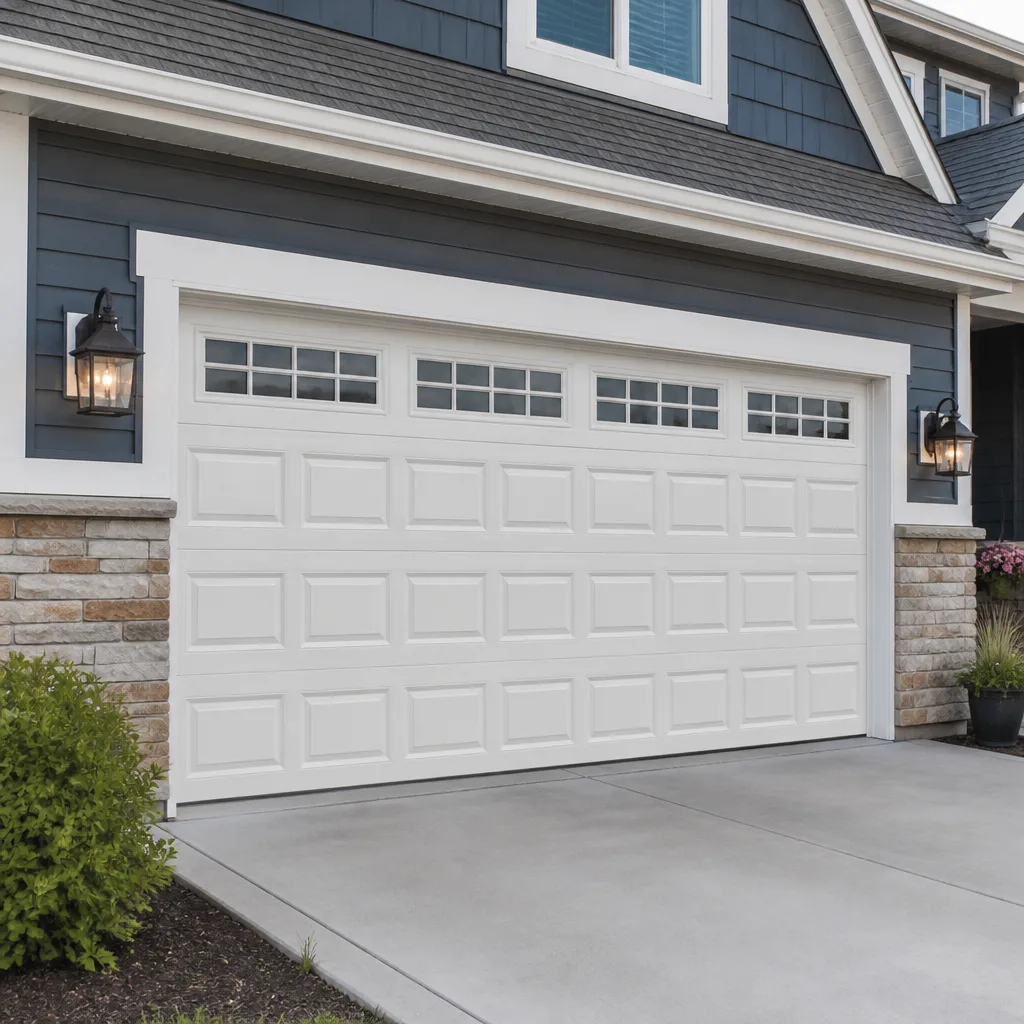 Raised-panel steel
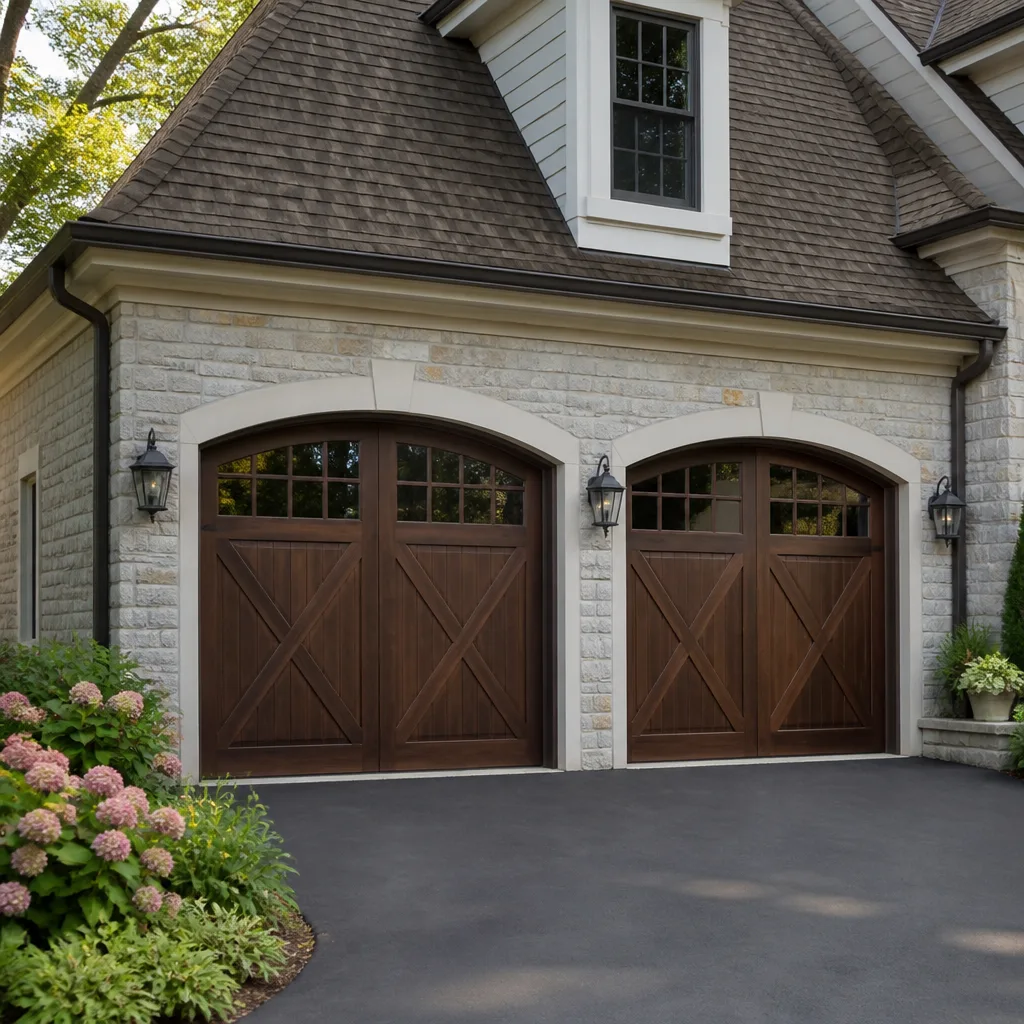 Carriage house
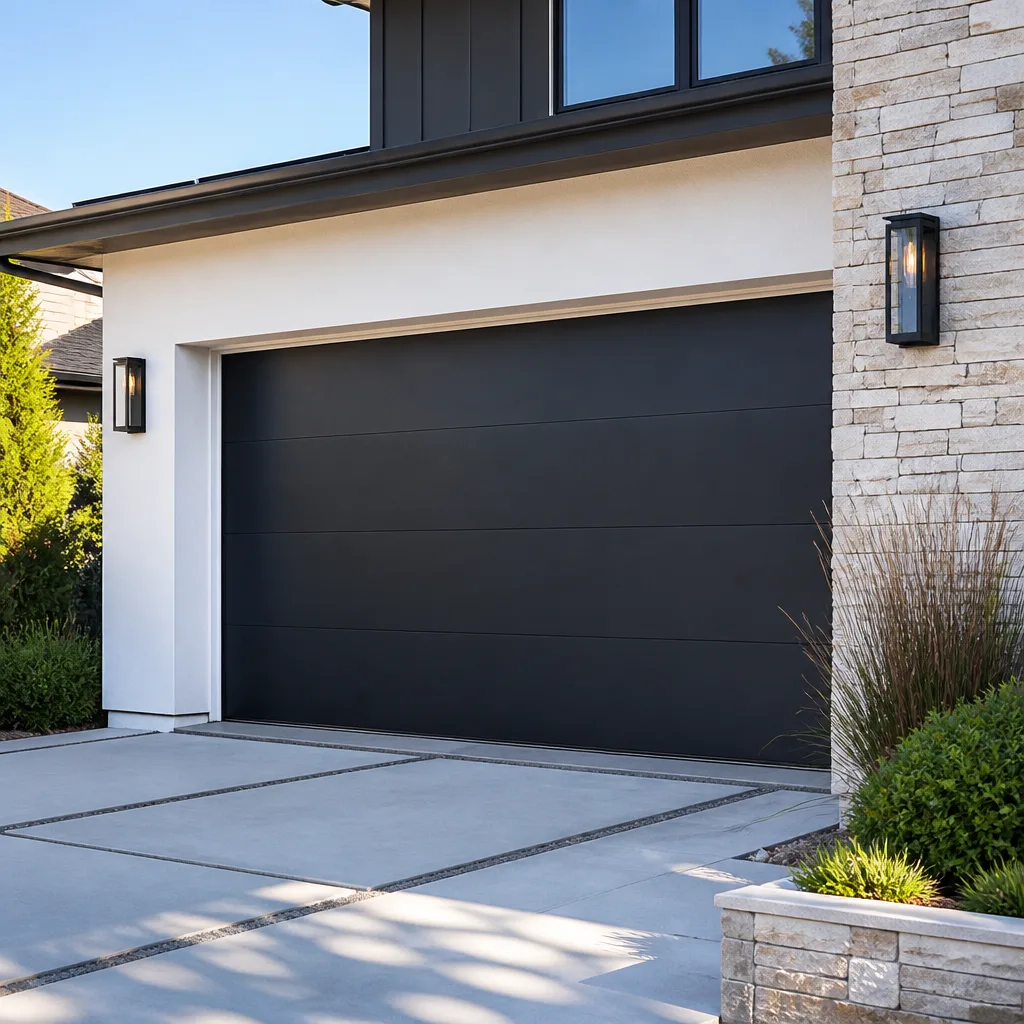 Modern flush
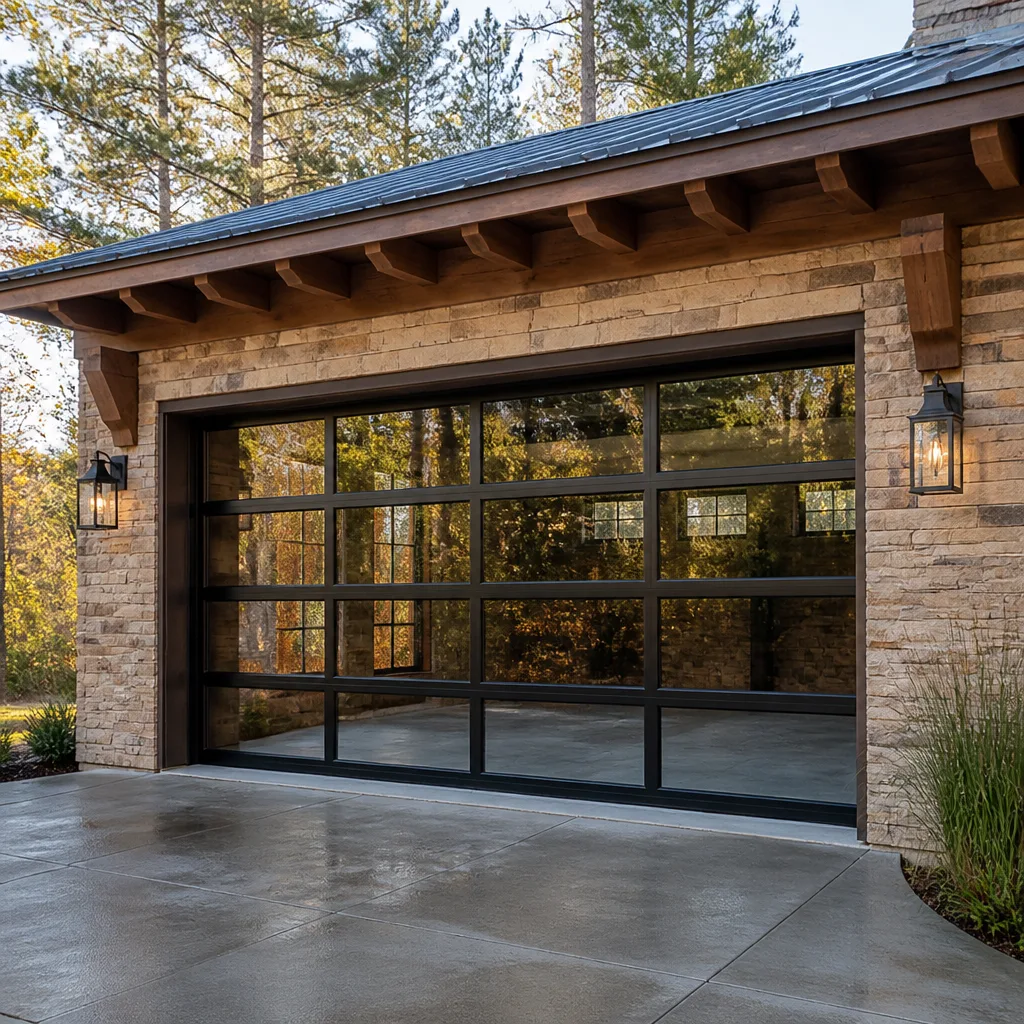 Full-view glass
 LiftMaster openers
 Chamberlain openers
Full 25-point door and opener safety check with every visit - springs, cables, rollers, tracks, and your LiftMaster or Chamberlain opener included
You get a price before we start. It does not change when the pro arrives.
Get your free estimateGarage Door Permits, Codes & Inspections in Bethlehem, PA: What You Need to Know
Swapping a garage door sounds like a product decision: pick a panel style, pick a color, get it hung. But in Bethlehem, a garage door lives inside a wall opening that carries part of your home’s structural load, and under Pennsylvania’s Uniform Construction Code, changing that opening is a construction project, not a product swap. The piece most homeowners never hear about is the header above the door and the framing on either side. Widen the opening, add reinforcement, or replace a door with a heavier model that wasn’t accounted for in the original framing, and a permit is often required before anyone touches a track.
This guide explains exactly when Bethlehem’s building department expects to see a permit, what inspectors look at, how wind load requirements apply to doors sold in the Lehigh Valley, and what unpermitted garage door work can do to an insurance claim or a home sale in Northampton County. You’ll get the permit process, a step-by-step timeline, and a straight answer on the jobs that don’t need paperwork at all.
Quick Answer
In Bethlehem, a like-for-like garage door replacement – same size, same opening, same structural framing – typically does not require a building permit, and swapping a garage door opener doesn’t either. Structural work on the opening does: widening it, raising the header, reinforcing framing to carry a heavier door, or modifying load-bearing walls all fall under the Pennsylvania Uniform Construction Code and need a permit through the City of Bethlehem building department before work starts. When an installer handles structural framing, ask who is pulling the permit. If the answer is nobody, ask why.
Styles & brands we work with
- Raised-panel steel
- Carriage house
- Modern flush
- Full-view glass
- LiftMaster openers
- Chamberlain openers
Table of Contents
- When is a garage door permit required in Bethlehem, PA?
- How the Pennsylvania UCC applies to residential garage doors
- Wind load requirements for garage doors in the Lehigh Valley
- What inspectors actually check on a garage door installation
- What unpermitted work means for insurance and home sales
- How to pull a garage door permit in Bethlehem: steps and timeline
- Permits for opener swaps versus door replacements
- Common mistakes to avoid
When is a garage door permit required in Bethlehem, PA?
A garage door permit in Bethlehem is required when the work changes the structure of the opening, and it’s not required when you’re replacing a door within an existing opening that stays the same size. That’s the dividing line. Most of the confusion comes from contractors using “replacement” loosely, so it helps to break the work into three buckets.
Like-for-like panel or door replacement: no permit in most cases. If the new door matches the old one in width, height, weight class, and mounting type, and no framing changes, the work is treated as a fixture replacement. Clopay and Amarr both publish replacement doors that fit standard opening sizes, which is exactly how most Bethlehem homeowners end up in this category.
Garage door opener replacement: no permit in most cases. An opener swap is an electrical appliance replacement, not a structural change. Swapping a Genie or Wayne Dalton opener for a new unit on the same mounting hardware doesn’t touch the building envelope.
Structural modification: permit required. This covers:
- Widening or heightening the opening for a larger door
- Raising the header to fit a taller door
- Reinforcing framing to support a heavier door than the original build allowance
- Removing or altering any load-bearing member to make room for a door or track
- Converting a wall or window opening into a garage door opening
Here’s the part that catches people: a door replacement can drift into structural territory even when the opening looks the same. If the new door is significantly heavier – steel instead of wood, an insulated door instead of a thin single-layer door – the original framing and header may need added reinforcement to handle the load and wind pressure. That reinforcement is where permits come in. Ask the question before the door is ordered, not after it’s hanging.
How the Pennsylvania UCC applies to residential garage doors
Pennsylvania’s Uniform Construction Code is the statewide building code that local municipalities enforce, and Bethlehem enforces it through its own building department. The UCC is essentially the state’s adoption of the International Residential Code and International Building Code with Pennsylvania amendments, and it governs structural, electrical, mechanical, and energy provisions for residential construction. When we talk about “permit requirements” in Bethlehem, we’re really talking about what the UCC requires and how Bethlehem’s inspectors apply it.
For garage doors, the UCC touches several areas:
- Structural provisions – header sizing, framing, and load path within the opening
- Wind provisions – design pressure ratings for exterior envelope components (covered in the next section)
- Electrical provisions – new circuits or hardwired connections for openers
- Safety provisions – automatic reversal and entrapment protection on openers
In practice, the safety and electrical provisions are inspected as part of the door’s overall function, and the structural provisions are what trigger a plan review. Bethlehem’s building department reviews residential permit applications against the UCC and issues permits for the structural scope of the work. The process exists so that a door swap doesn’t quietly weaken the opening in a way that shows up during a storm or a home inspection years later.
Two things matter here for Bethlehem homeowners. First, the UCC is not optional, and “my contractor said we don’t need a permit” is not a defense if the city later finds out otherwise. Second, UCC compliance is a working assumption in local real estate, which means unpermitted structural work on a garage door is a disclosure issue at sale time. If structural work is part of your job, ask your city’s building department directly about permit requirements. That’s the authoritative answer for your specific property.
Wind load requirements for garage doors in the Lehigh Valley
Garage doors are the largest moving exterior wall on a house, and under the UCC they have to be rated for the wind pressure they’ll see in service. The Lehigh Valley sits in a moderate wind zone, but the design pressures that apply to a Bethlehem garage door are calculated from the building’s exposure, the door’s height, and local wind speed data. Those numbers are baked into the door’s design pressure rating, which is printed on the manufacturer’s spec sheet.
This matters most when you’re buying a new door. A door rated for a lower design pressure might be perfectly fine in another region but under-rated for a Bethlehem opening, especially on an exposed lot or a two-car opening with a wide span. The UCC’s wind provisions require the installed door to meet or exceed the required design pressure for its application, and the inspector checks that the installed product matches the permitted spec.
What a buyer should look for:
- A manufacturer’s design pressure rating on the spec sheet, not just a marketing number
- Steel gauge and reinforcement specified for wind resistance on larger openings
- Track and mounting hardware specified for the same design pressure as the door
Clopay, Amarr, Wayne Dalton, and Raynor all publish wind load ratings per door model and size, so the information is available. What’s often missing is whether the installer actually ordered the door with the correct rating for your opening. A contractor who quotes a door by color and style but never asks about exposure, opening width, or building height hasn’t done the wind load math. Have that conversation before the door is ordered. For Bethlehem homes, it’s a normal part of the job, and it costs nothing to confirm.
What inspectors actually check on a garage door installation
Bethlehem’s inspectors aren’t looking at how straight your door hangs. They’re confirming the structural condition of the opening, the anchoring, and the safety systems are code-compliant. Here’s what typically gets reviewed on a permitted garage door job:
- Header and framing condition – the opening’s load path needs to match what’s on the approved plan. Recycled or rough framing from an older Bethlehem home often needs cleaning up before it passes.
- Fastener and anchor schedule – how the tracks and hardware are anchored to the framing, including anchor type and spacing.
- Door and hardware specification – confirming the installed door matches the permitted model, rating, and design pressure.
- Track alignment and roller function – movement and function checks, since a stuck door is an entrapment hazard.
- Automatic reversal and safety systems – openers need functioning force-reversal and, where applicable, photoelectric sensors.
- Weatherseal and perimeter gaps – proper sealing at the opening edge and along the bottom threshold.
For an opener-only or door-only job that doesn’t require a permit, some of these checks still happen informally – a good installer verifies the reversal test and checks the balance of a new door before leaving. But you’re not scheduling a city inspection for those. The formal inspection is tied to permitted structural work, and the inspection schedule is one more reason to sort out permitting before demo day.
What unpermitted work means for insurance and home sales
Unpermitted structural work on a garage door doesn’t fail the moment it’s installed. It shows up years later, in the two moments where documentation matters most: an insurance claim and a real estate transaction.
On the insurance side, a claim connected to structural failure of the opening – a header failure, a door or track failure that’s traced to improper reinforcement, or a door that wasn’t rated for the wind pressure it saw – can be complicated by whether the work was permitted and inspected. Insurers are entitled to see that permitted structural work was inspected, and a claim can be reduced or denied if it wasn’t. We don’t write the policies and won’t pretend to know how a given carrier will treat a given loss, but the paperwork trail is the thing that protects a homeowner. A permit application and inspection record is that trail.
On the real estate side, buyers in Northampton County routinely ask for a permit history during the purchase process. A garage door opening that was structurally modified without a permit shows up as a question on a seller’s disclosure, and a buyer’s inspector who spots framing that doesn’t match the original build is going to flag it. That can mean delays, renegotiation, or the cost of retroactive permitting and possible correction before closing. The work itself might be fine. The missing documentation is the problem.
The fix, if you’re buying or selling a Bethlehem home with a garage door you’re not sure was permitted, is to call the city’s building department and pull the permit history for the address. If structural work was done without one, ask what the path to legalizing it looks like. It’s a conversation worth having before closing, not after. If the door needs repair or replacement as part of that process, a garage door repair inspection can document the current condition of the opening and hardware.
How to pull a garage door permit in Bethlehem: steps and timeline
The permit process in Bethlehem runs through the city’s building department, and it follows the same general path as any residential structural permit. Fees and timelines vary by scope and current department workload, so the department’s own published schedule and the permit application are the authoritative sources. What follow is the typical sequence:
- Confirm the scope. Get the structural changes in writing before you apply – exactly what changes on the opening, what door will be installed, and what reinforcement is planned.
- Contact the City of Bethlehem building department. Ask which permit type applies to your scope and what documents they want with the application. Bring the address, the planned work, and the door’s spec sheet.
- Submit the application and plans. Residential structural permits typically require a simple scale drawing of the opening showing the header, framing, and load path, plus the door and hardware specification. This is where Clopay, Amarr, Wayne Dalton, or Raynor spec sheets come in handy.
- Pay the permit fee. Fees are set by the city and typically scale with the scope of work. Confirm the current fee schedule with the department when you apply.
- Wait for plan review. Residential plan review is normally a shorter cycle than commercial, but it’s not instantaneous. Plan on scheduling the installation after the permit is issued, not before.
- Complete the structural work. Any framing changes happen first, then the door and hardware go in. Don’t close up walls or conceal framing before the inspection is scheduled.
- Schedule the inspection. The inspector reviews the structural work and the installed door against the approved plan. Have the door’s spec sheet and any manufacturer instructions on site.
- Get the final sign-off. The completed inspection record is your documentation. File it with your home records – future buyers, insurers, and inspectors will want it.
Timeline runs in the range of days to a couple of weeks for the review portion on a straightforward residential scope, and inspection scheduling adds a bit more. The point isn’t the exact number – it’s that the permit process happens before the door is ordered, and the inspection happens before the work is closed up. A garage door specialist who also handles doors in Bethlehem will know the process and can tell you what to expect, but the permit itself belongs to the property owner and the licensed contractor doing the structural work.
Permits for opener swaps versus door replacements
Most of the calls we get about permits aren’t about permits at all – they’re about openers. A garage door opener repair or replacement almost never requires a building permit, because it’s an appliance swap on existing mounting hardware. If the opener is failing and the track and door are in good shape, that’s a straight replacement: no plans, no inspection, no paperwork.
Two cases can change that:
- New electrical circuit or hardwired connection. If the project requires new wiring run in the wall or a new dedicated circuit, that electrical work is governed by the UCC and may need a permit of its own. A straight swap of an existing plug-in or hardwired connection doesn’t.
- Structural changes to accommodate a new door. If the opener replacement is bundled with a heavier door that needs header reinforcement or track modification, the whole project falls under the structural permit discussion above.
For homeowners whose current door and opener are mismatched – an older door paired with a newer opener, or the reverse – the right move is diagnosis before replacement. Our technicians have up to 14 years of experience working across LiftMaster, Chamberlain, Genie, Craftsman, Clopay, Amarr, Wayne Dalton, and Raynor hardware, and we diagnose the opener and the door as one system. If the door needs structural work, that gets identified before anything is ordered. If it’s a straightforward garage door opener repair, we handle it without dragging a permit into the conversation. That’s the level of clarity you want from whoever shows up at your house.
Common Mistakes to Avoid
- Ordering the door before confirming permit scope. If the job turns out to be structural, the door sits in a crate while the plans move through review. Confirm the scope first, then order.
- Assuming “replacement” means no permit. Replacing a door isn’t automatically exempt. A heavier door or a widened opening can pull it into structural territory. Ask specifically.
- Letting the contractor handle the permit without confirming who’s responsible. The permit belongs to the property and the work, and the owner needs to know who submitted it, who paid, and what inspection is scheduled. Get it in writing.
- Skipping the wind load spec on the new door. Especially on a two-car opening or an exposed lot, the design pressure rating matters under the UCC. Don’t accept a quote that doesn’t specify it.
- Closing up walls before inspection. If structural framing was changed, the inspector needs to see it before it’s concealed. Schedule the inspection before finishing.
- Buying a Bethlehem home without pulling the garage permit history. A quick check with the building department can save a negotiation surprise at closing. It’s a common oversight during the home purchase process.
- Treating a permit as a $50 line item instead of a record. The fee is minor compared to the documentation. File the permit and inspection record with your home records.
One more thing that isn’t really a mistake but belongs here: don’t confuse “my contractor didn’t mention it” with “it isn’t required.” A contractor who does doors but doesn’t do structural work may not think about permits because it isn’t their scope. A specialist who knows the door opening, the track, and the framing thinks about it because it’s part of the job. If you’re planning new construction or a garage door installation on a modified opening, that distinction matters.
See the difference
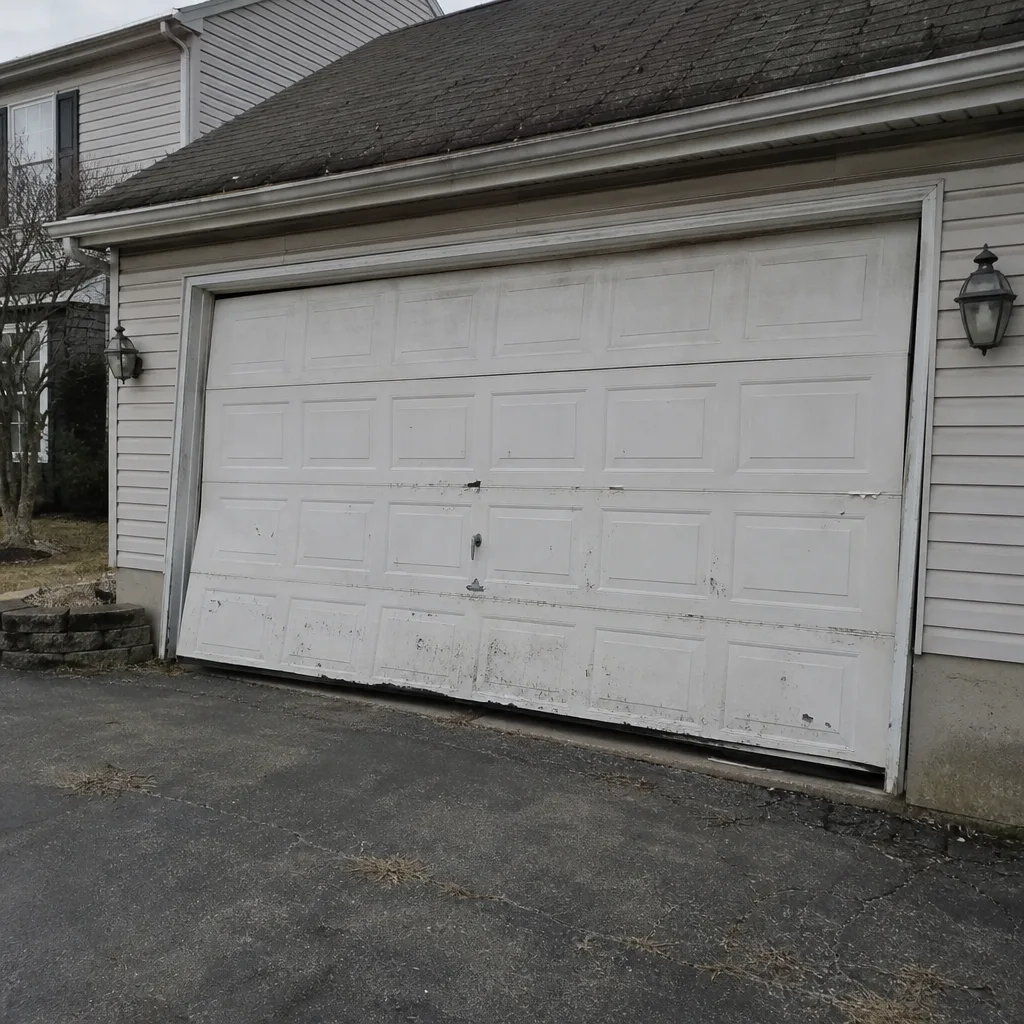 Before
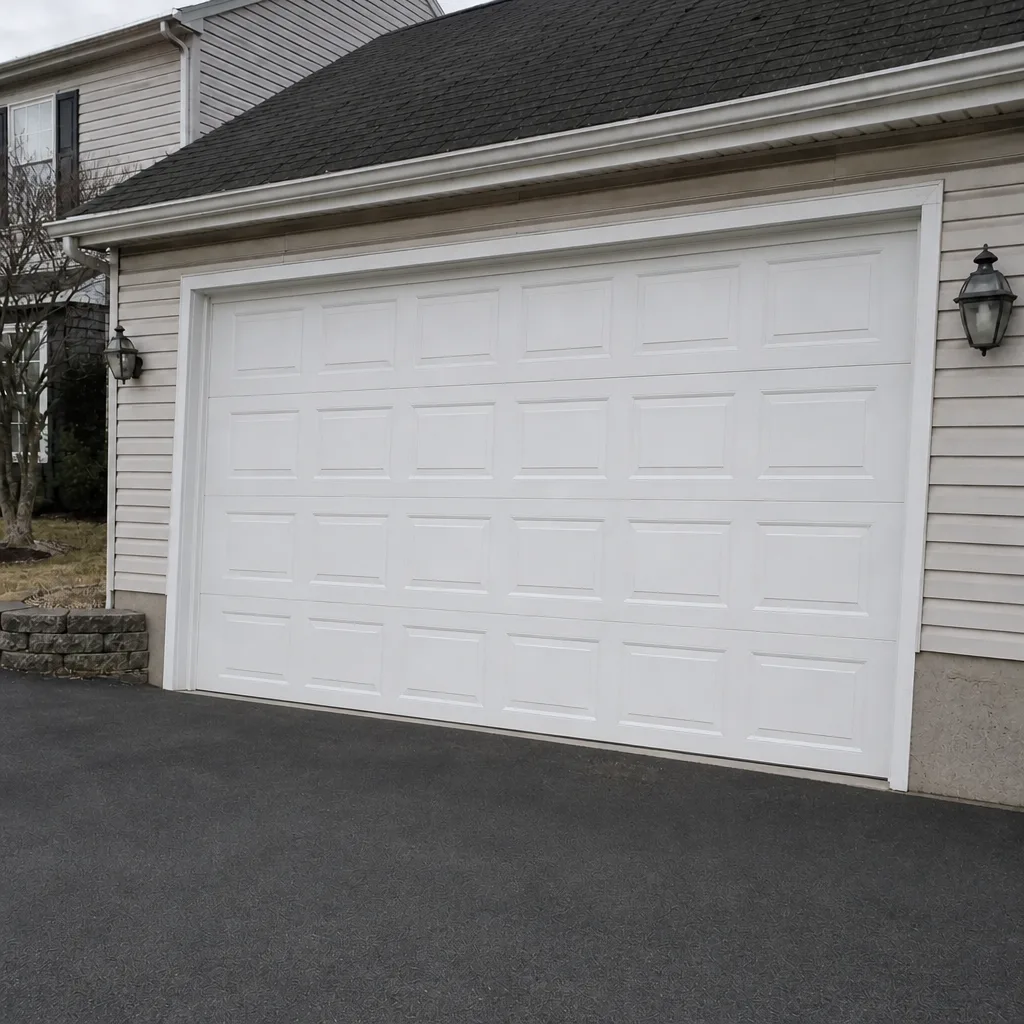 After
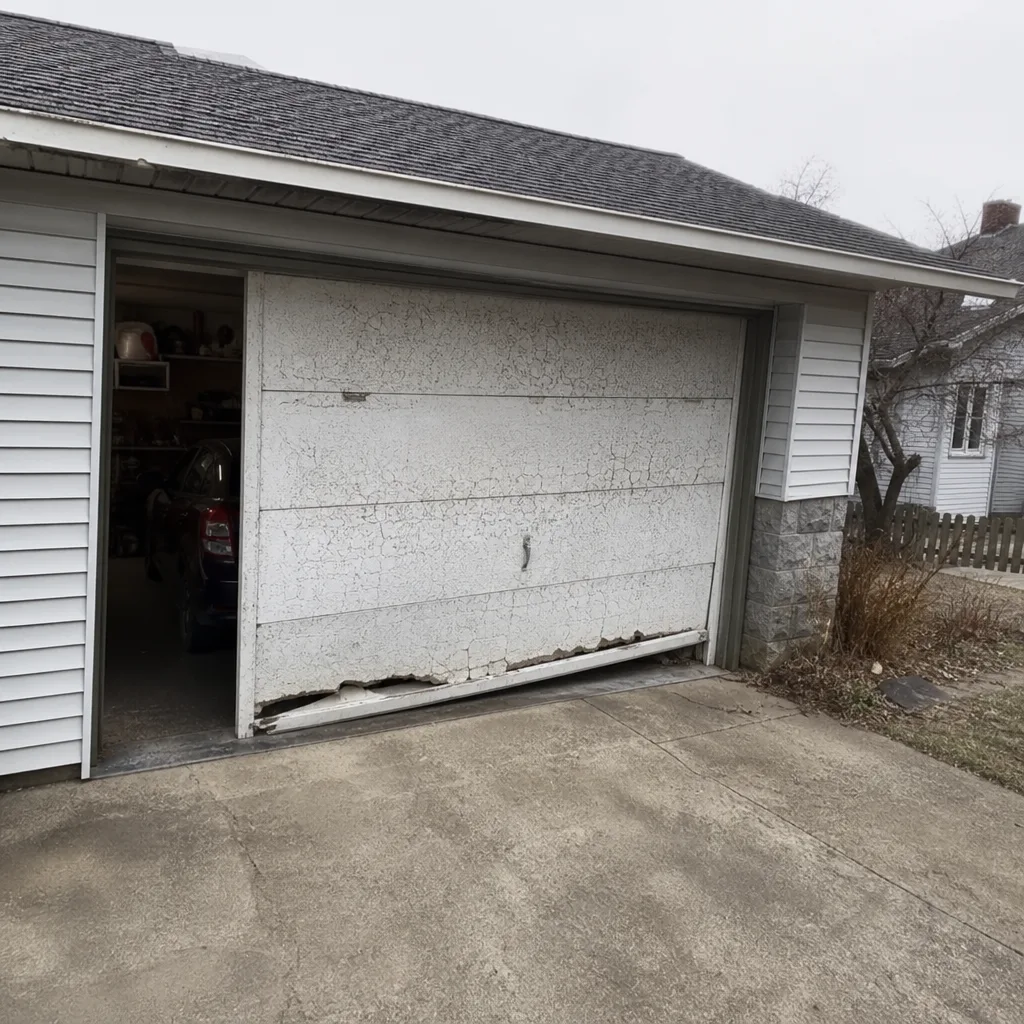 Before
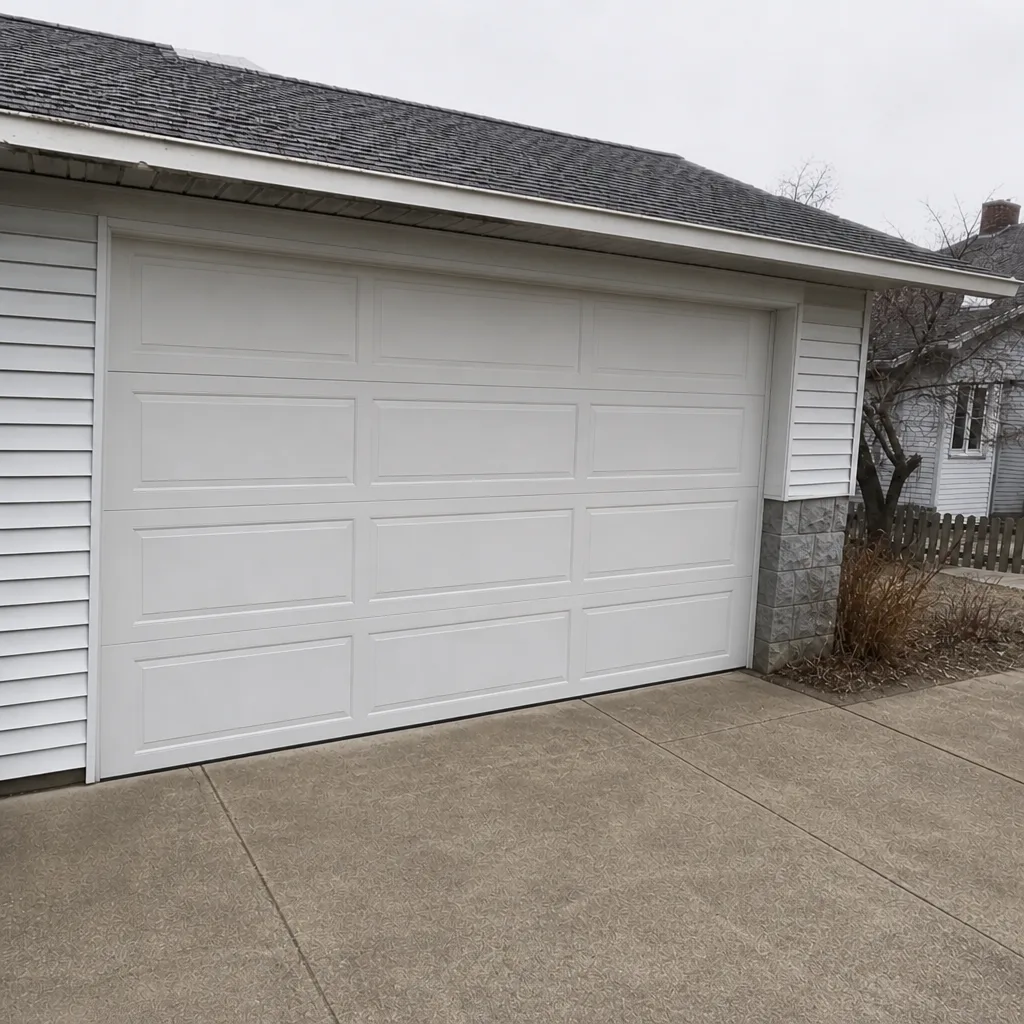 After
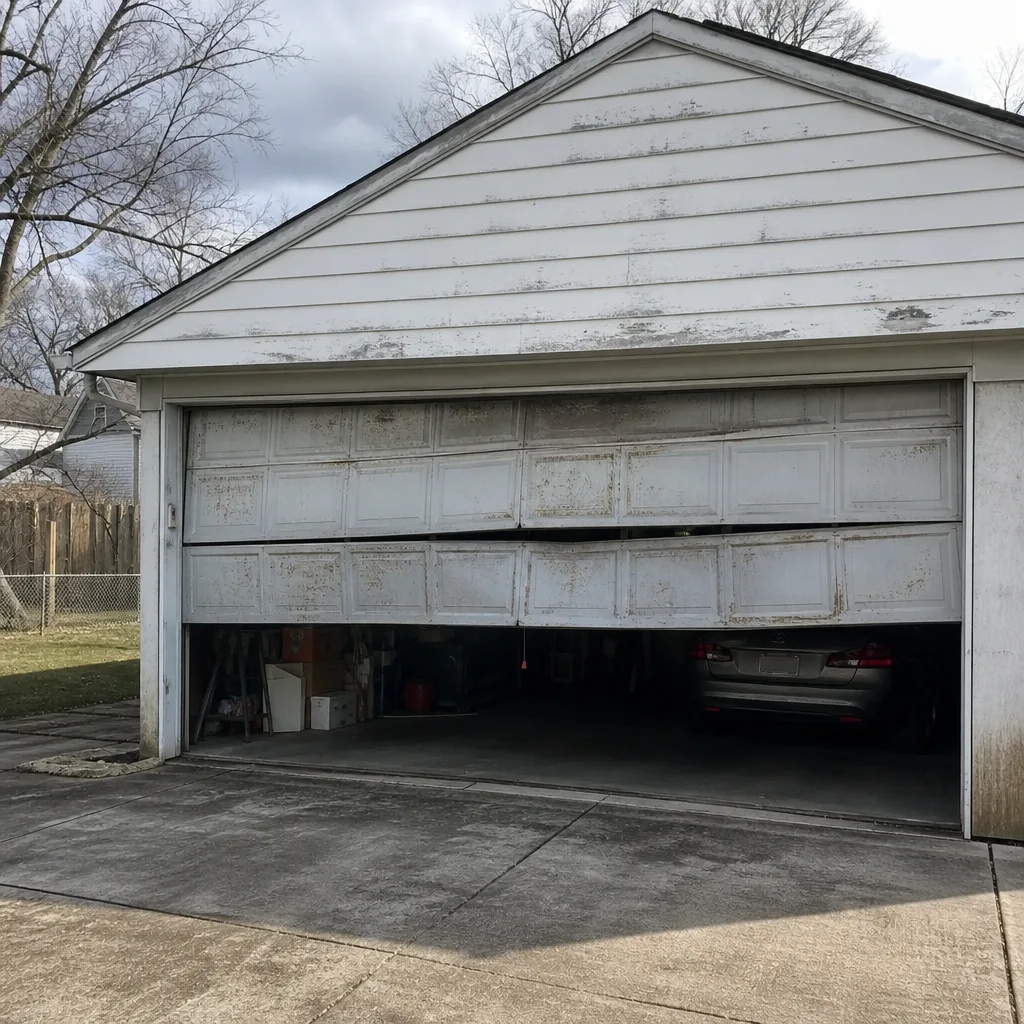 Before
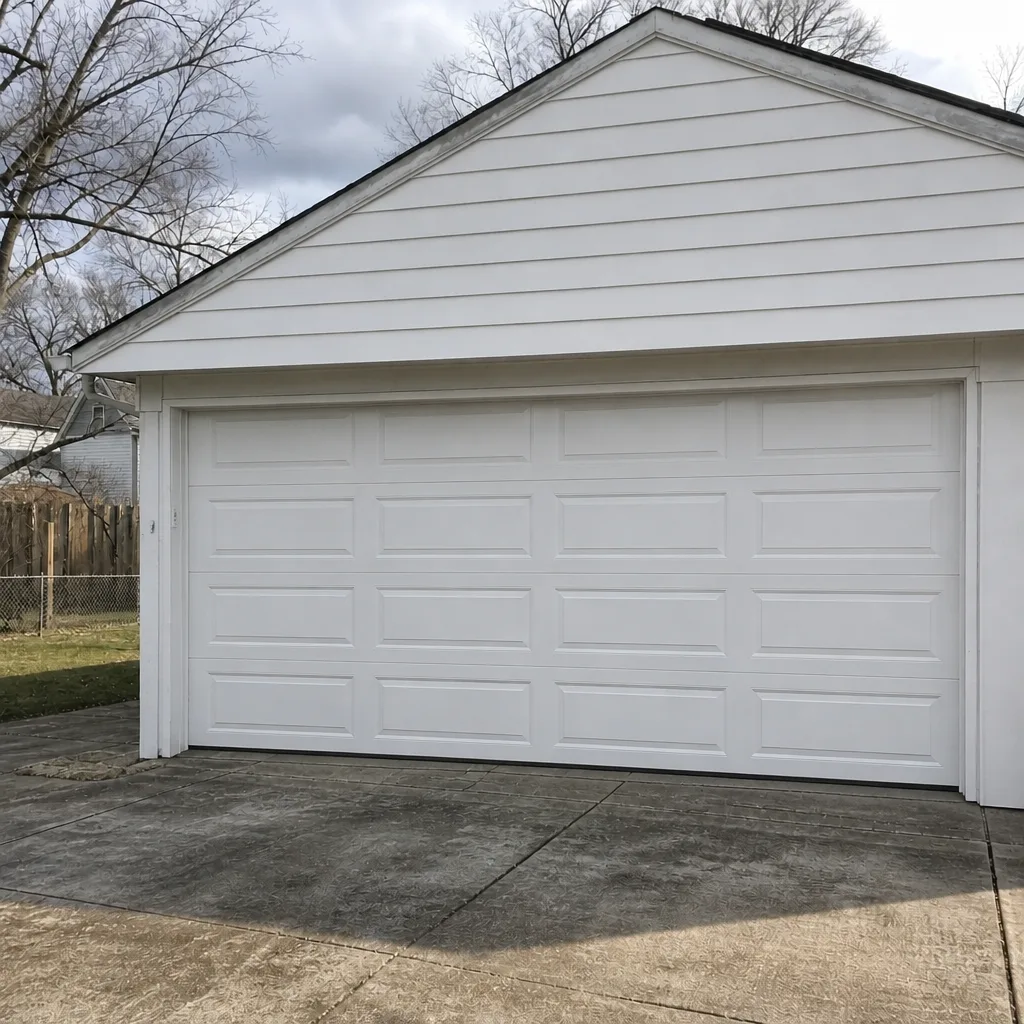 After
When to Call a Professional
Call a professional if your garage door isn’t operating correctly, if you’re planning a replacement and don’t know whether a permit applies, if the opening is out of square or the framing looks rough, or if you’re buying or selling a Bethlehem home and need the garage door assessed. Spring work, cable work, and structural changes to the opening are dangerous for anyone without training – we don’t recommend DIY on high-tension springs or load-bearing headers. Any door that’s stuck open, off its track, or failing to close should get a professional look before you use it again.
Bethlehem Garage Door Repair Co offers free estimates in Bethlehem – call (866) 937-7470. Our technicians have up to 14 years of experience and work on the factory hardware for the door and opener brands you already own. If structural work is part of the scope, we’ll tell you what needs a permit and what doesn’t before you commit to anything.
Frequently Asked Questions
In most cases, a like-for-like garage door replacement in Bethlehem doesn’t require a permit. If the door is the same size and weight and the opening and its framing aren’t changed, it’s a fixture replacement under the Pennsylvania Uniform Construction Code. Structural changes – widening the opening, raising the header, reinforcing framing for a heavier door – do require a permit through the City of Bethlehem building department. Confirm the scope with the city before ordering the door.
No, a garage door opener replacement typically doesn’t require a permit. It’s an appliance swap on existing mounting hardware, and the UCC doesn’t trigger for it. If the project involves running a new electrical circuit or hardwiring a new connection inside a wall, the electrical portion may need a separate permit. Call (866) 937-7470 and we’ll talk through your setup – estimates are free.
The rating depends on your home’s exposure, the door’s height, and the opening’s width, and it’s calculated under the UCC’s wind provisions. The door’s manufacturer spec sheet – Clopay, Amarr, Wayne Dalton, and Raynor all publish design pressure ratings per model – shows what the door is rated for. The installed door has to meet or exceed the design pressure for its application. Ask your installer to show you the spec sheet, not just the sales brochure.
It can. If a claim is tied to structural failure of the opening or the door’s wind performance, the insurer is entitled to see that the permitted structural work was inspected. Missing documentation can complicate a claim. The specific outcome depends on your carrier and the loss, so the practical answer is to keep the permit and inspection record for any structural garage door work and disclose it if you sell.
A straightforward residential structural permit in Bethlehem typically takes days to a couple of weeks for plan review, plus time to schedule the inspection after the work is done. Exact timelines depend on the department’s current workload and the scope of your project. Call the City of Bethlehem building department with your address and scope for the current timeline, and plan the installation after the permit is issued rather than before.
We coordinate the structural scope and can tell you what permit category your job falls into, but the permit itself and the licensed structural work belong to the property and the contractor performing that scope. What we do is make sure the door and opener specifications that go into the permit application are correct – design pressure, weight, mounting – before anything is ordered. Call (866) 937-7470 to talk through your project – estimates are free.
Yes. A brand-new garage door opening cut into an exterior wall, or a new attached garage, is structural construction and requires a permit through Bethlehem’s building department. It falls under the UCC’s structural provisions, and the opening, header, and door specification all get reviewed. Plan the permit as part of the project, not after. For related work, see Bethlehem Garage Door Repair Co and our guide to garage door installation for the scheduling side of new doors.
The Bottom Line
Most garage door work in Bethlehem doesn’t require a permit – but the exceptions are the ones that matter. Like-for-like replacements and opener swaps are fixture-level work. Structural changes to the opening, or a heavier door that needs new reinforcement, fall under the Pennsylvania UCC and require a permit through the city’s building department before work starts. Confirm the scope, get the door’s design pressure rating, schedule the inspection before closing up walls, and keep the permit record. It’s the documentation that protects you at insurance-claim time and at sale time. If you’re unsure which category your job falls into, ask.
If you’re planning a garage door repair, replacement, or opener service in Bethlehem, call Bethlehem Garage Door Repair Co at (866) 937-7470 for a free estimate. Our technicians have up to 14 years of experience across LiftMaster, Chamberlain, Genie, Clopay, Amarr, Wayne Dalton, Craftsman, and Raynor hardware, and we’ll tell you straight whether your job needs a permit before you commit to anything. Get your door moving again – and get the paperwork right the first time.
Written by the team at Bethlehem Garage Door Repair Co.