Last updated November 22, 2026
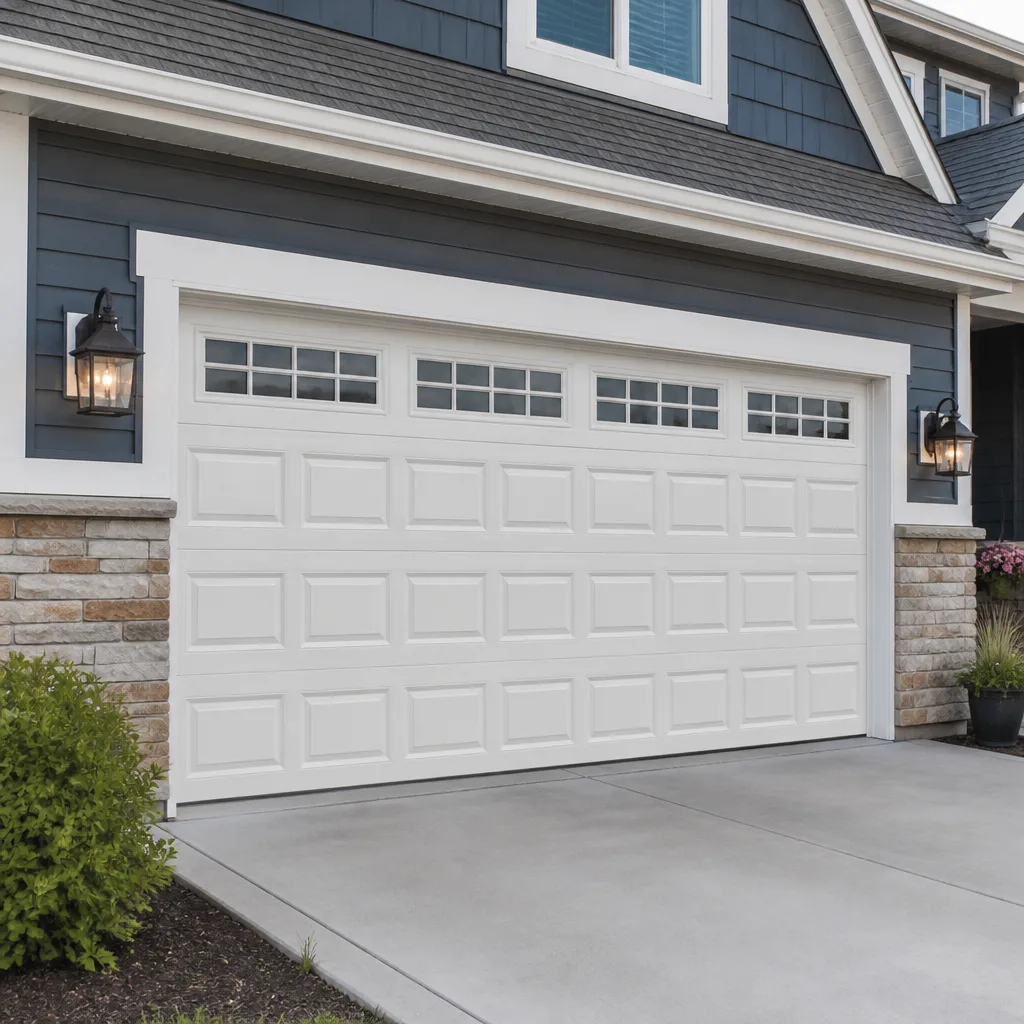 Raised-panel steel
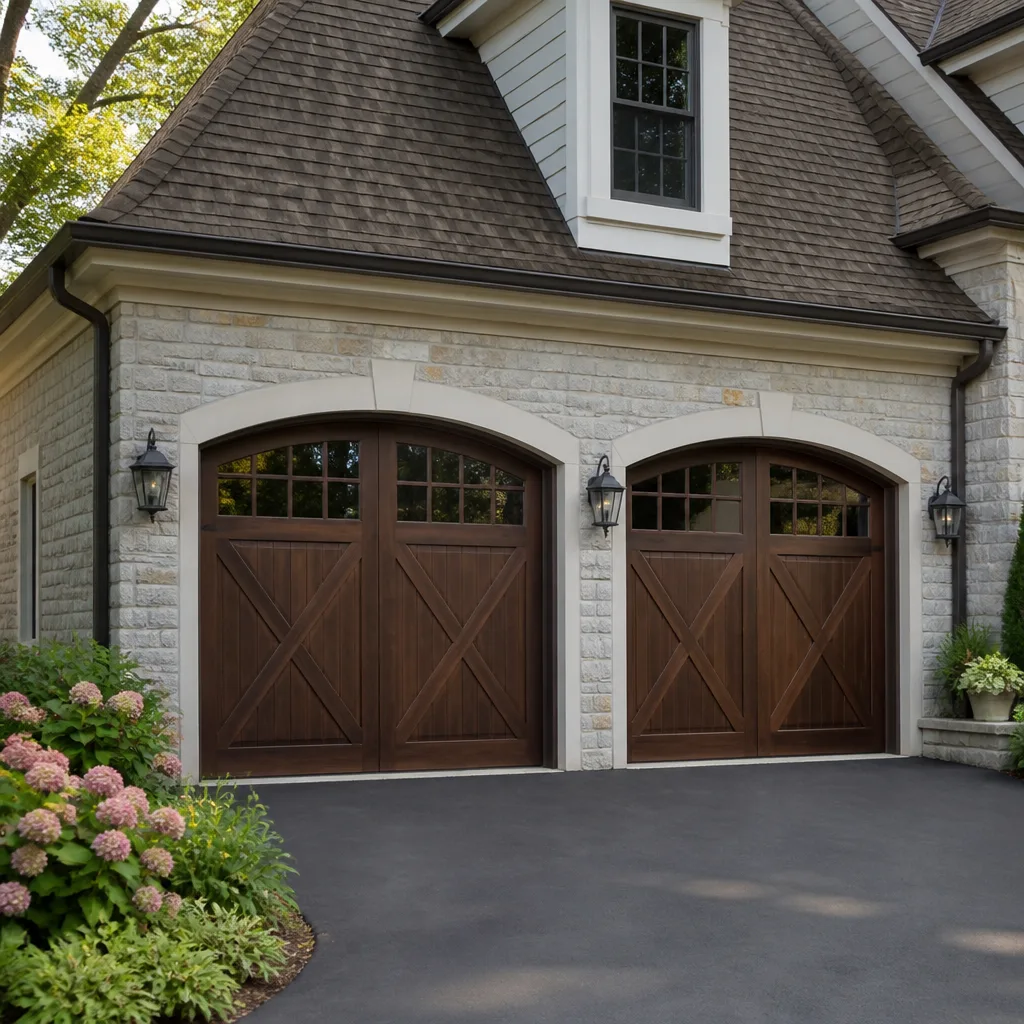 Carriage house
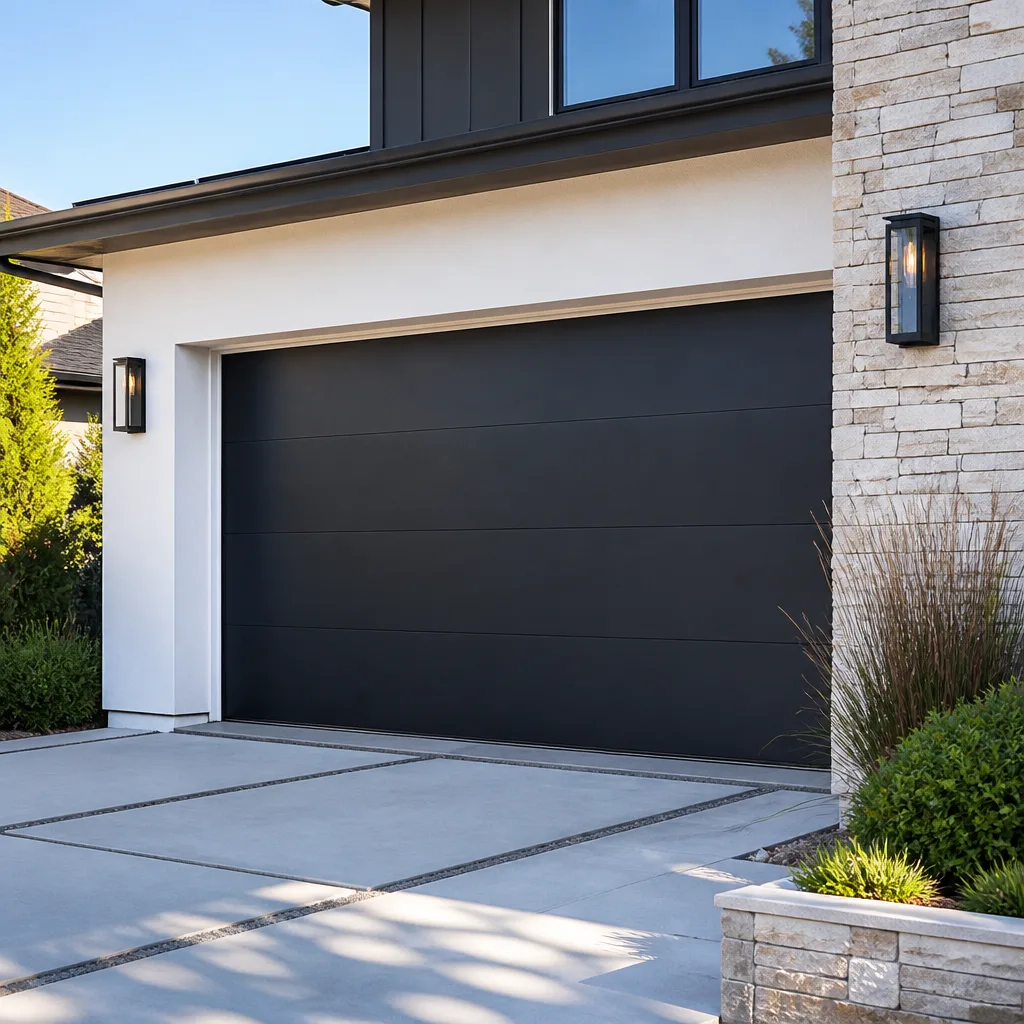 Modern flush
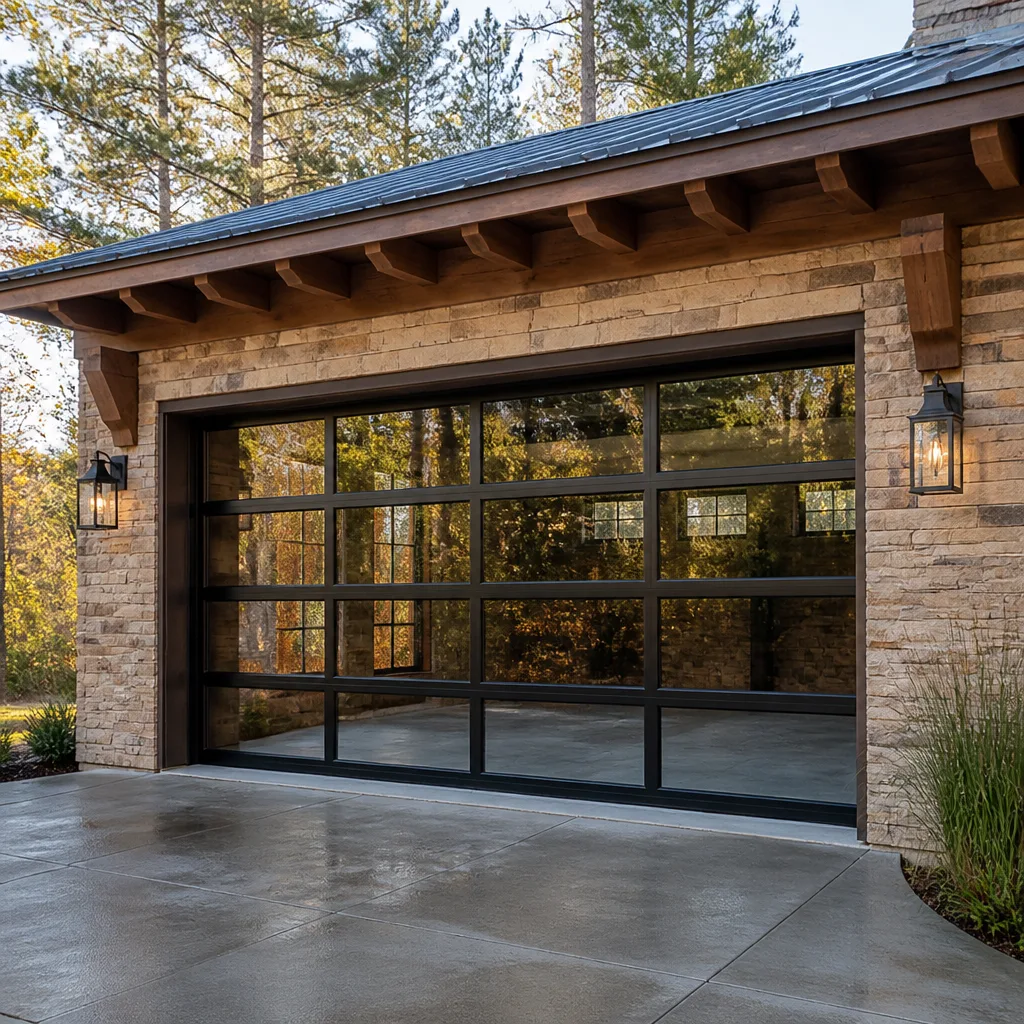 Full-view glass
 LiftMaster openers
 Chamberlain openers
Full 25-point door and opener safety check with every visit - springs, cables, rollers, tracks, and your LiftMaster or Chamberlain opener included
You get a price before we start. It does not change when the pro arrives.
Get your free estimateChoosing the Right Garage Door Brand: A Buyer’s Guide for Bethlehem
The bestselling garage door on a national retailer’s website is built for average conditions. Bethlehem isn’t average. A typical year here drops around 32 inches of snow, and the gap between a January cold snap and a July afternoon can run 80 degrees. That swing alone eliminates several popular options before you’ve looked at a single price tag. Cold stiffens steel and stresses springs. Humidity swells wood and works at paint seams. High daily cycles wear out openers faster in households that use the garage as the front door. This guide compares Clopay, Wayne Dalton, Amarr, CHI, and the major opener brands against the conditions a Bethlehem home actually faces, so you can pick a door and a drive system that hold up instead of one that just photographs well.
Quick Answer
For most Bethlehem homes with an attached garage, a steel-backed insulated door in the R-9 to R-18 range from a brand with a strong finish warranty (Clopay, Amarr, Wayne Dalton, or CHI) is the practical choice, paired with a belt-drive opener from LiftMaster, Chamberlain, or Genie. Detached garages can drop to a single-layer steel door because you’re not heating the space next door. Match the R-value and steel gauge to whether the garage shares a wall with living space, then confirm you can get parts and service for that brand locally – that last step matters more than any spec sheet.
Styles & brands we work with
- Raised-panel steel
- Carriage house
- Modern flush
- Full-view glass
- LiftMaster openers
- Chamberlain openers
Table of Contents
- Why Bethlehem’s Climate Changes the Brand Question
- Clopay vs. Amarr vs. Wayne Dalton vs. CHI: The Specs That Matter Here
- How Much R-Value Is Actually Worth Paying For?
- Wood vs. Steel vs. Fiberglass vs. Composite in Bethlehem Weather
- LiftMaster vs. Chamberlain vs. Genie: Cold-Start Reliability
- What “Lifetime Warranty” Really Covers
- Daily Cycles: Why How You Use the Door Matters
- A Step-by-Step Way to Choose
Why Bethlehem’s Climate Changes the Brand Question
Most brand comparisons you’ll find online are written for a national audience, which means they’re written for nobody in particular. A door tested in mild conditions tells you very little about how it behaves through a Lehigh Valley winter followed by a humid summer. Bethlehem gets both, and the combination is what shapes wear.
Here’s what actually happens to a garage door in this climate. In winter, the steel skins contract and the paint film has to move with them; a finish that was applied thin at the factory starts to hairline and then flake along the bottom panel where snowmelt sits. Torsion springs, which do the heavy lifting on nearly every modern door, lose tension in cold and get worked harder as a result. In summer, humidity works on wood and on any door with an unsealed bottom edge. Add the freeze-thaw cycle that Bethlehem sees repeatedly each winter and you get a door that opens and closes thousands of times under conditions a manufacturer’s test lab may never fully replicate.
That’s the lens this guide uses. We’re not ranking brands in the abstract. We’re asking a narrower question: for a house in Bethlehem, on a street where the garage is attached and the door runs multiple cycles a day, which brand’s hardware holds its settings and which brand’s finish survives?
If you already know what you want and just need it installed, our garage door installation page covers the measuring and scheduling side. If your current door is failing, we can also help with garage door repair before you commit to a full replacement.
Clopay vs. Amarr vs. Wayne Dalton vs. CHI: The Specs That Matter Here
These four brands cover most of the residential market in the Bethlehem area, and each has strengths that matter more or less depending on your house. Rather than a generic feature dump, here’s how they compare on the four specs that actually drive longevity here: insulation value (R-value), steel gauge, the finish warranty against rust, and wind load rating.
- Clopay – The widest range of insulation tiers, from single-layer steel up through polyurethane-backed doors with high R-values. Their premium lines carry long finish warranties and heavier steel. Strong choice when you want a specific look and are willing to pay for the insulated core.
- Amarr – Solid mid-range steel doors with good insulation options and a reputation for consistent factory finishing. A practical pick for attached garages where you want real thermal separation without the top-tier price.
- Wayne Dalton – Known for their insulated steel and composite lines, with some models that handle humidity swings well. Their hardware is widely serviced, which matters when a hinge or roller needs replacing years down the road.
- CHI – Heavier-gauge steel on many models and a strong emphasis on wind-load-rated construction. A good fit if you’re on an exposed lot where wind pressure on a wide door is a real concern.
On steel gauge, the lower the number the thicker the steel, and thicker steel resists denting from a stray basketball or a shovel handle. On wind load, a wider door on an open lot needs a higher rating than a standard door on a sheltered street; ask for the rating in writing. On finish, a warranty that specifically covers rust-through on the bottom panel is worth more in Bethlehem than one that only covers “blistering” for a shorter term.
The honest takeaway: there’s no single winner. A door that’s excellent for a detached workshop is overkill for a house where the garage never gets heated, and vice versa. What matters is matching the spec to your building.
How Much R-Value Is Actually Worth Paying For?
R-value measures how well a door resists heat transfer. For a Bethlehem home with an attached garage, it’s the single most consequential number on the spec sheet, and it’s the one most buyers misunderstand. The question isn’t “higher is better.” It’s “higher than what, for which garage?”
An attached garage shares at least one wall with living space. Even with insulation in that wall, a cold garage pulls heat out of the rooms beside it, and a hot one pushes heat in. An insulated door slows that exchange. A detached garage doesn’t share that wall, so the door’s R-value mostly affects how comfortable the space is to work in, not what your house’s heating and cooling does.
Here’s how the tiers break down for Bethlehem conditions:
- Single-layer steel (essentially R-0 to low single digits) – Fine for a detached garage used for storage. Not worth insulating spend if the space is unheated and separate from the house.
- Steel with polystyrene or foam board (roughly R-6 to R-9) – The entry point for attached garages. Reasonable if the shared wall is well insulated and the garage isn’t conditioned.
- Steel with injected polyurethane (roughly R-12 to R-18) – The sweet spot for most Bethlehem attached garages. The foam fills the whole panel cavity, so you get thermal separation without the door getting heavy enough to stress the opener.
- High-end insulated (R-18 and up) – Worth it if the garage is conditioned, used as a workspace, or sits directly under bedrooms. The jump in weight means you need an opener sized for it.
The premium for moving from the R-9 tier to the R-12 to R-18 tier is usually the best value in the whole purchase for an attached garage, because that’s where the thermal difference actually shows up in the rooms next to the garage. Going beyond R-18 buys diminishing returns for most homes. Also consider the door’s weight: a heavy insulated door demands a properly sized torsion system and opener, which is exactly the kind of thing a specialist checks before ordering.
Wood vs. Steel vs. Fiberglass vs. Composite in Bethlehem Weather
Material choice is where the climate conversation gets concrete. Each material responds differently to Bethlehem’s humidity swings and temperature range, and the “pros and cons” you read on a national site often ignore both.
- Wood – Beautiful and warm-looking, but wood moves. In a Bethlehem summer it takes on moisture and swells; in January it dries and shrinks. That movement works at paint seams and joints, which means repainting more often than a steel door needs. Wood suits a homeowner who wants to maintain it and doesn’t mind the upkeep. It’s a poorer fit for someone who wants to set a door and forget it.
- Steel – The most common choice here for good reason. It handles the temperature range well as long as the finish is sound and the bottom edge is sealed against snowmelt. The weakness is any breach in the paint: once water gets under the film at a scratch or a bottom-panel seam, rust starts. Inspect the finish each fall before winter sets in.
- Fiberglass – Won’t rust like steel and resists moisture, so it’s a reasonable pick for a humid stretch. The trade-off is that it can be brittle in extreme cold and doesn’t insulate as well unless it’s backed with foam. Fewer local options for matching panels down the road.
- Composite – Made to mimic wood without the swelling, and it holds up well to moisture and temperature swings. It’s a strong middle path for a Bethlehem homeowner who wants the wood look without the annual maintenance. Cost is higher than basic steel.
The pattern to take away: in a climate with this much humidity variation and this many freeze-thaw cycles, materials that don’t absorb water and finishes that stay flexible win. That favors steel and composite for most homes, with wood reserved for owners who enjoy the upkeep.
LiftMaster vs. Chamberlain vs. Genie: Cold-Start Reliability
The opener is the part of the system that fails first in cold weather, which makes motor class and battery backup the specs to weigh. LiftMaster, Chamberlain, and Genie cover the vast majority of systems in Bethlehem homes, and each has models suited to a cold-climate install.
- Motor class – Belt-drive openers run quieter and have fewer moving parts than chain-drive, and the belt handles cold better than a chain that can stiffen. For an attached garage under bedrooms, belt drive is the obvious pick. Chain drive is more durable for heavy doors and cheaper, but noisier.
- Battery backup – A model with battery backup keeps the door working through a power outage, which in Bethlehem matters more than it does in milder places: a winter storm that takes out power shouldn’t also leave you unable to open the garage. LiftMaster and Chamberlain both offer backup options on their better lines; Genie has models with it too. Confirm the specific model has it before you buy.
- MyQ compatibility – LiftMaster and Chamberlain use the MyQ system for phone-based monitoring and control. If you want to check whether the door is closed from your phone, that’s the ecosystem to look at. Genie uses its own app-based system rather than MyQ, so decide which ecosystem fits before you compare prices.
We’ve worked on all three brands enough to know that reliability in cold comes down to the motor’s duty rating and how well the safety sensors are aligned, not just the label. A premium opener with badly adjusted sensors will still stall; a mid-range one that’s dialed in runs for years. When an opener does fail, our garage door opener repair service covers LiftMaster, Chamberlain, Genie, and Craftsman systems, so you don’t have to replace hardware just to find someone who can service it.
What “Lifetime Warranty” Really Covers
“Lifetime” on a garage door brochure rarely means what a buyer assumes. It almost always refers to the original purchaser, and it’s split into separate terms for the door sections, the hardware, and the finish. Reading the exclusions before you buy saves a frustrating conversation later.
The exclusions that matter most for a Bethlehem homeowner’s real usage:
- Finish vs. structure – Many “lifetime” claims cover structural integrity of the panel but give the finish (paint) a shorter, separate term. Rust-through on the bottom panel, the exact failure Bethlehem’s snowmelt drives, may fall under the finish term rather than the structural one.
- Original owner only – The warranty usually doesn’t transfer to a new owner if you sell. If resale value matters, keep the documentation.
- Improper installation voids it – Most brands require installation to spec, including correct spring tension and track alignment. A door installed with the wrong torsion setting can void the spring and hardware coverage.
- Labor is separate – The brand may cover a replacement part but not the labor to install it. Ask what a warranty claim actually gets you.
- Normal wear items – Rollers, hinges, and springs are often excluded or given short terms because they’re expected to wear. Budget for spring replacement as routine, not as a warranty event.
When you’re comparing brands, ask for the warranty document, not the marketing line, and read the finish section specifically. A door with a clearly stated rust-through term on the bottom panel is worth more here than one with a vague “lifetime” headline.
One safety note worth stating plainly: torsion and extension springs are under high tension, and the hardware that holds them can release violently if handled wrong. This is not a DIY repair. If a spring breaks, keep the door closed and call a trained technician. We handle spring repair as a dedicated service for exactly this reason, and we’d rather you call than risk an injury.
Daily Cycles: Why How You Use the Door Matters
A garage door’s lifespan is measured in cycles – one open plus one close. A household that uses the garage as its main entry runs far more cycles per day than one that parks and walks in through the front door. In Bethlehem, where the garage is the sheltered entry through winter, that daily-cycle load is high, and it changes which brand and spec make sense.
High-cycle use puts the wear on springs, rollers, hinges, and the opener’s motor. A door rated for 10,000 cycles will feel tired long before one rated for 20,000 under the same daily use. When you’re choosing a brand, it’s worth asking not just about the door but about whether the hardware and spring system are rated for the cycles your household actually runs. A homeowner who leaves and returns three or four times a day is in a different category than one who uses the garage once a day.
This is also where matching the door to the opener matters. A heavy insulated door with high-cycle springs paired with an undersized opener will strain the motor and shorten its life. The right combination is a door weight the opener is rated for, springs sized to the door, and a duty rating that fits your household. A brand that publishes cycle ratings for its springs makes this easier to check.
We work on Craftsman and Raynor systems as well as the brands covered above, so whatever’s already on your house, we can tell you whether it’s worth repairing or whether the cycle load has finally caught up with it. The company that installs the door is the one you’ll call years later for springs and opener service, so picking a specialist who can handle the whole lifecycle saves you from sourcing multiple vendors.
A Step-by-Step Way to Choose
Putting it together, here’s a sequence that works for a Bethlehem homeowner:
- Decide attached or detached. This sets your R-value target before you look at brands. Attached garages need real insulation; detached ones can go simpler.
- Measure the opening and note the door width. Wider doors on exposed lots need a higher wind-load rating. Get the number in writing from the brand.
- Pick a material. Steel or composite for most Bethlehem homes; wood only if you’ll maintain it.
- Choose the insulation tier. R-12 to R-18 is the practical sweet spot for an attached garage here.
- Match the opener to the door weight. Belt drive with battery backup for cold-climate reliability, and pick your smart-home ecosystem (MyQ or otherwise) up front.
- Read the warranty’s finish section. Confirm the rust-through term on the bottom panel and whether it transfers.
- Confirm local parts and service. A great door you can’t get serviced is a problem. Check that a local specialist can service the brand before you buy.
When you’re ready to move from comparing to installing, our installation process starts with a free measure and a written price, so the number you’re quoted is the number on the estimate. If you’re still weighing repair against replacement, our main Bethlehem Garage Door Repair Co page lays out the full range of services.
Common Mistakes to Avoid
- Buying for looks alone. The door that looks best on the website may be single-layer steel with no insulation, which is a poor fit for an attached Bethlehem garage through winter. Start with the specs, then pick the style.
- Ignoring the finish warranty. A long “lifetime” headline that excludes the bottom-panel finish is worth less here than a shorter, specific rust term. Read the fine print on the finish, not the headline.
- Sizing the opener by price. An undersized opener on a heavy insulated door strains and fails early. Match the opener’s duty rating to the door weight and your household’s cycles.
- Skipping the wind-load question. On an exposed lot with a wide door, wind pressure is real. Ask for the rating rather than assuming any door will do.
- Assuming all brands are equally serviceable locally. Before you buy, confirm a local specialist can service that brand’s parts. A door nobody nearby can fix becomes a bigger problem.
- DIY spring work. High-tension springs are dangerous and a job for trained technicians. Don’t attempt a spring replacement yourself.
- Buying without a written quote. A vague verbal estimate invites an invoice surprise. Insist on a written price before any work starts.
See the difference
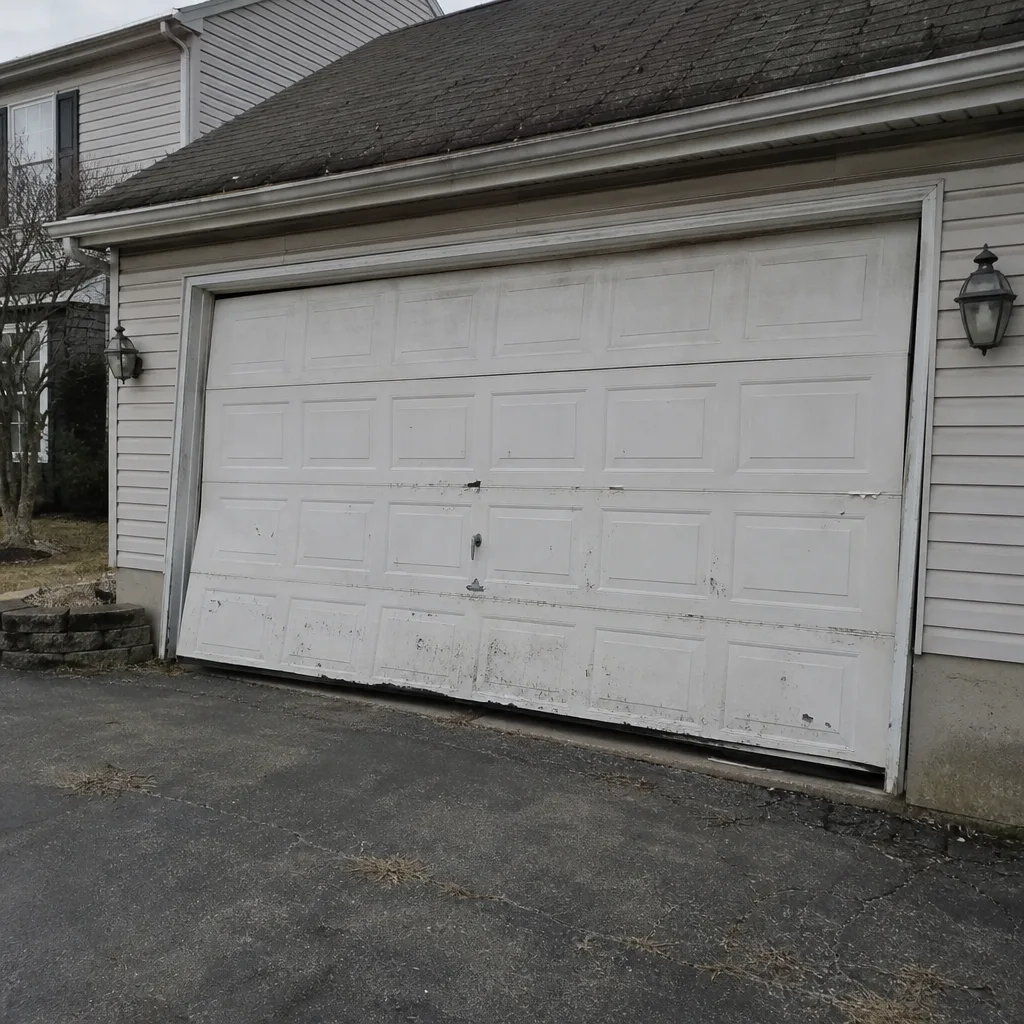 Before
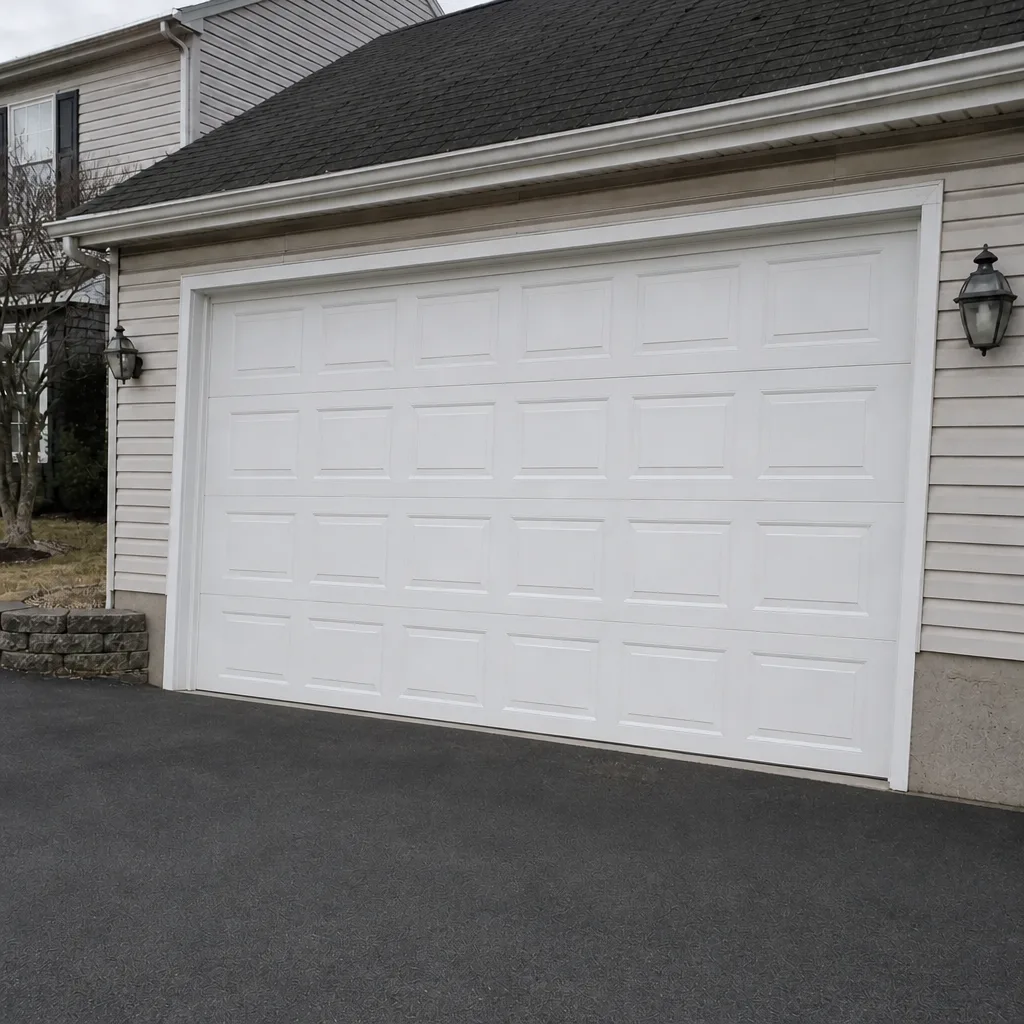 After
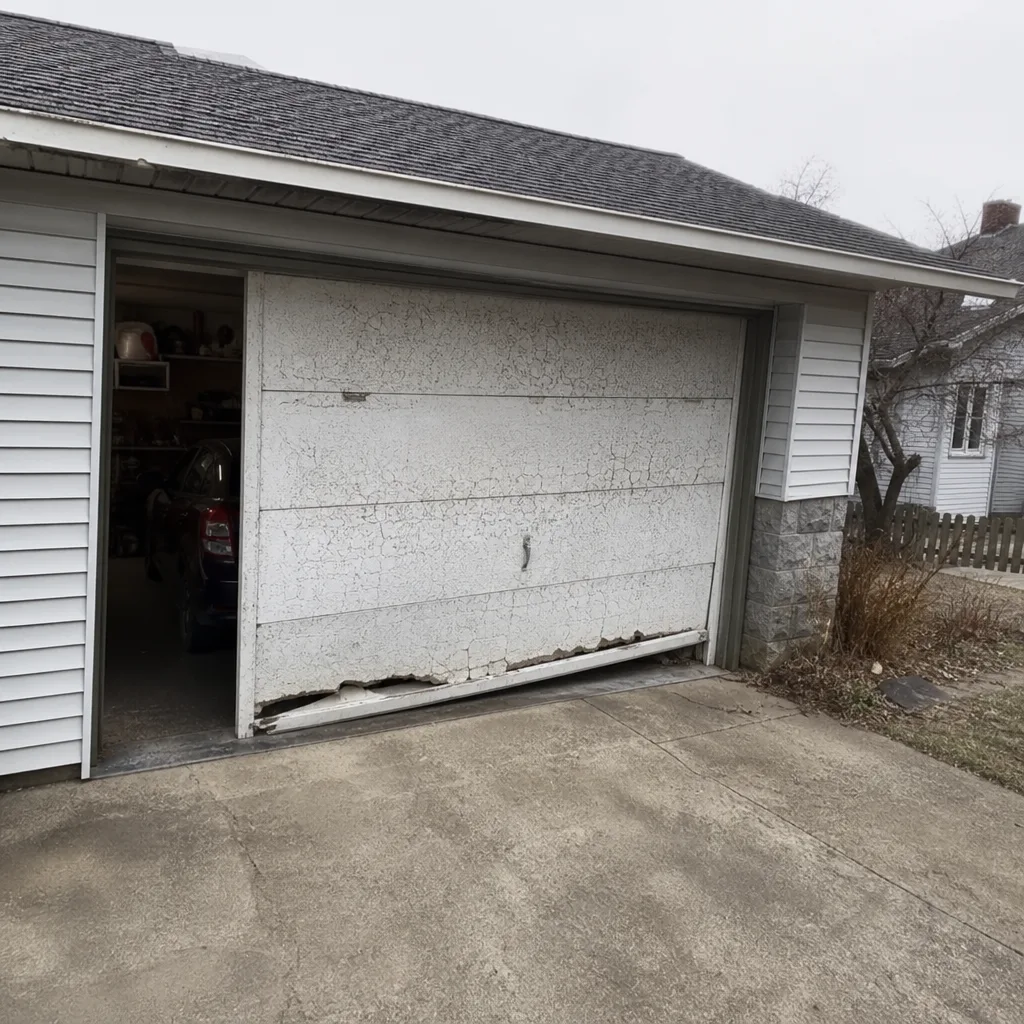 Before
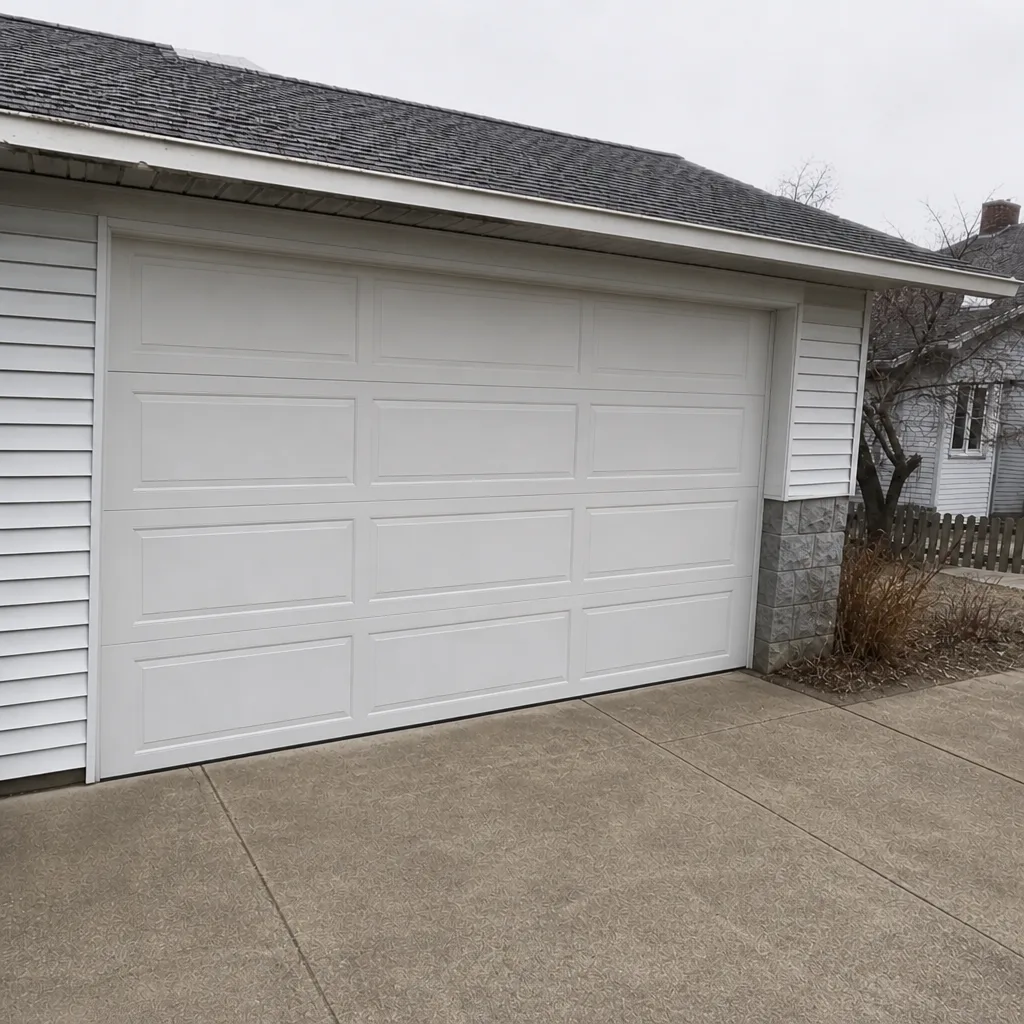 After
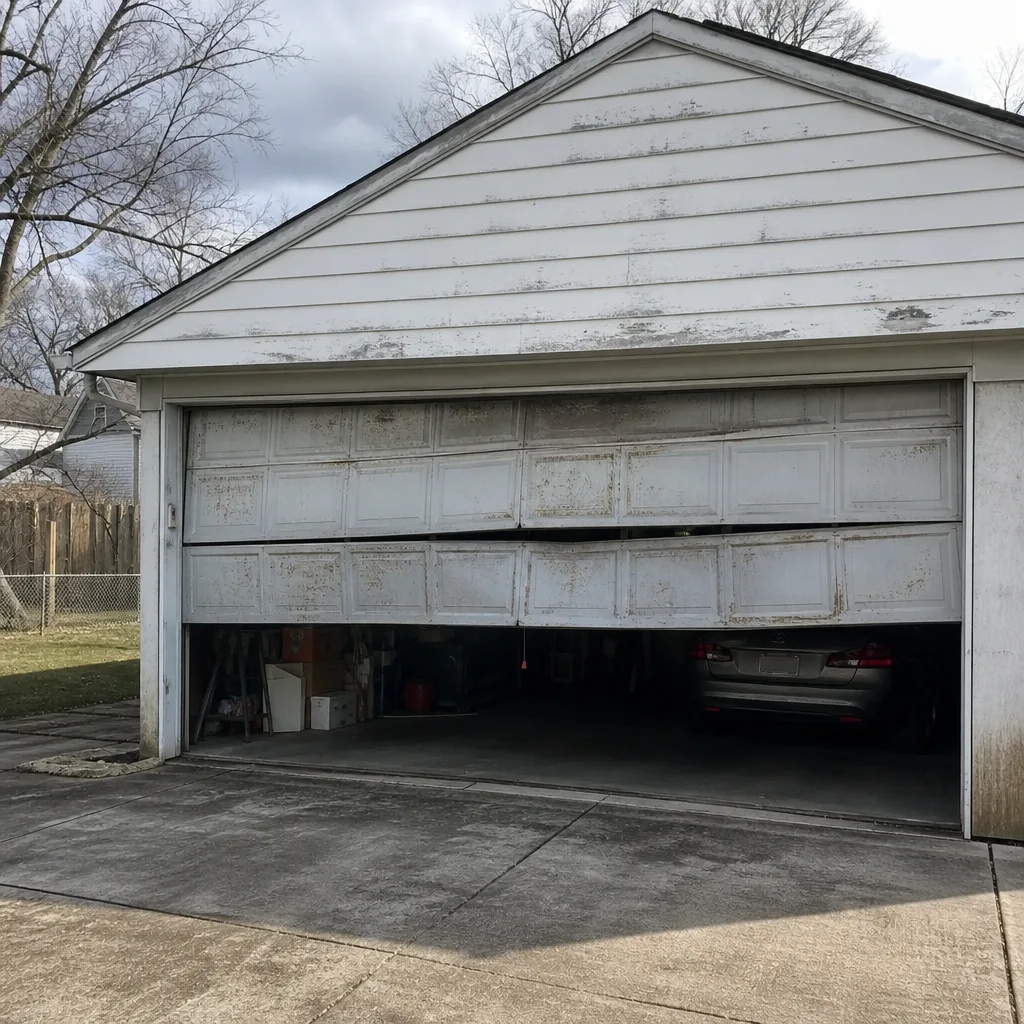 Before
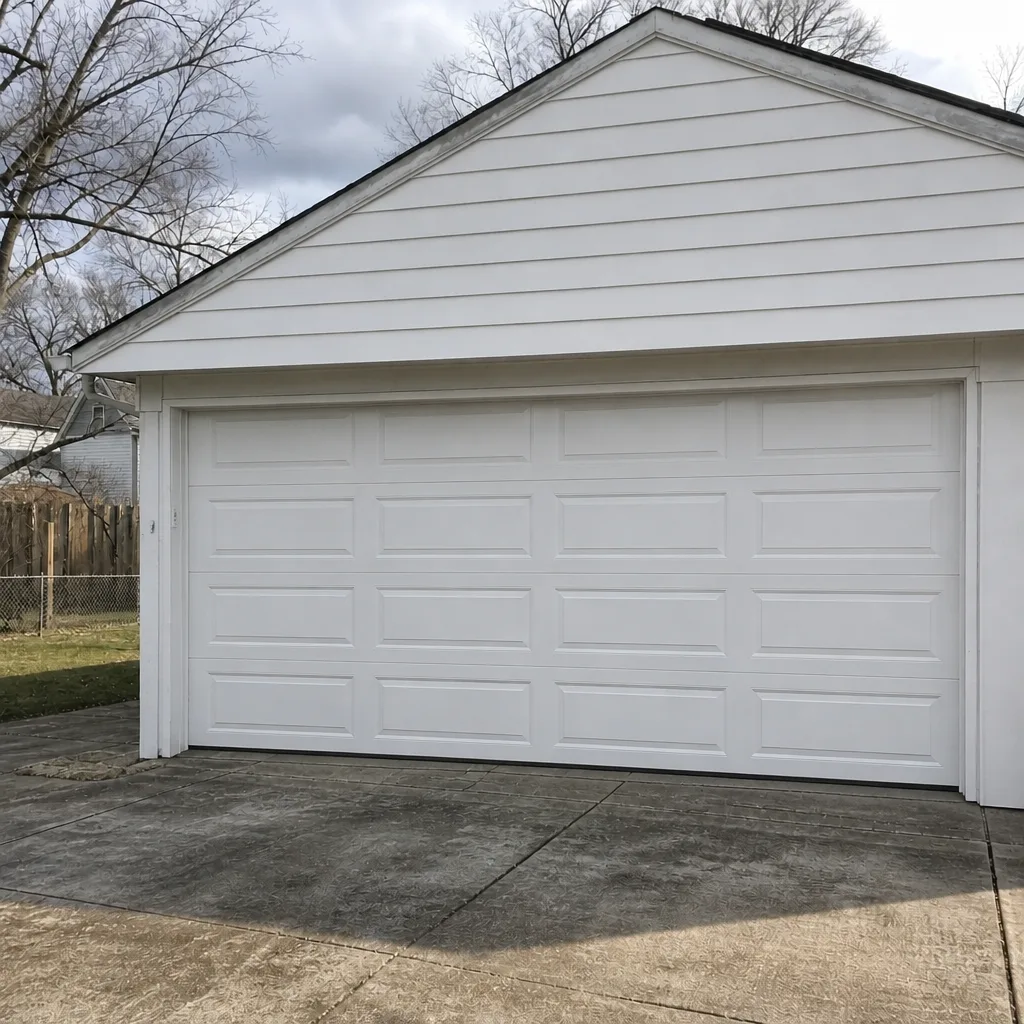 After
When to Call a Professional
Some jobs are straightforward brand comparisons; others need eyes on the door. Call a professional if a torsion or extension spring has broken, if the door is stuck open or won’t close, if the opener runs but the door doesn’t move, if you see frayed cables, or if the door comes off its tracks. Unusual noises, uneven movement, or a door that reverses on its own are signs the hardware needs checking before something fails. If you’re weighing whether a repair is worth it versus replacing the door, that’s a conversation worth having before you spend. Bethlehem Garage Door Repair Co offers free estimates in Bethlehem – call (866) 937-7470. Our technicians have up to 14 years of experience, and we work on the brands covered in this guide. The price is quoted and agreed before any work starts.
Frequently Asked Questions
For most Bethlehem homes with an attached garage, an insulated steel door from Clopay, Amarr, Wayne Dalton, or CHI in the R-12 to R-18 range is the practical pick, since that’s where thermal separation actually helps. The best brand is the one whose finish warranty covers bottom-panel rust and whose parts a local specialist can service. Call (866) 937-7470 for a free estimate on your specific opening.
Prices depend on material, insulation tier, and door width, and we quote per job rather than publishing a single number. The written estimate you receive is the price, agreed before any work begins. Call (866) 937-7470 for an exact quote – estimates are free.
Not usually. A detached garage doesn’t share a wall with living space, so the door’s R-value mostly affects how comfortable the space is to work in, not your home’s heating and cooling. Single-layer or lightly insulated steel is often enough for a detached garage in Bethlehem.
LiftMaster, Chamberlain, and Genie all make models suited to cold-climate use, and the model matters more than the brand name. Look for belt drive with battery backup, and confirm the specific model includes that feature. We service all three, plus Craftsman, so you don’t need to replace hardware to get service.
No. We quote and agree the price before any work starts, so the written estimate is what you pay. If something unexpected turns up, we discuss it with you before proceeding rather than surprising you on the invoice. Call (866) 937-7470 for a free estimate.
The local professionals we connect you with are licensed and insured as their state requires. Our technicians have up to 14 years of experience and work across the major residential brands, including LiftMaster, Chamberlain, Genie, Clopay, Amarr, Wayne Dalton, Craftsman, and Raynor. Call (866) 937-7470 to book a free estimate.
The Bottom Line
Pick a garage door brand for the building it’s going on, not for the brochure. In Bethlehem, that means prioritizing insulation value for attached garages, steel or composite over wood for most homes, a finish warranty that actually covers bottom-panel rust, and an opener whose motor class and battery backup match your household’s daily cycles. Clopay, Amarr, Wayne Dalton, and CHI each have models that fit; LiftMaster, Chamberlain, and Genie each have cold-ready openers. The brand you can get serviced locally is worth more than the one with the longest warranty headline. When you’re ready, we’re a garage door specialist, not a general contractor, and we can carry the job from first measure through springs and opener service years later. Call (866) 937-7470 for a free estimate in Bethlehem.
Written by the team at Bethlehem Garage Door Repair Co.