Last updated November 22, 2026
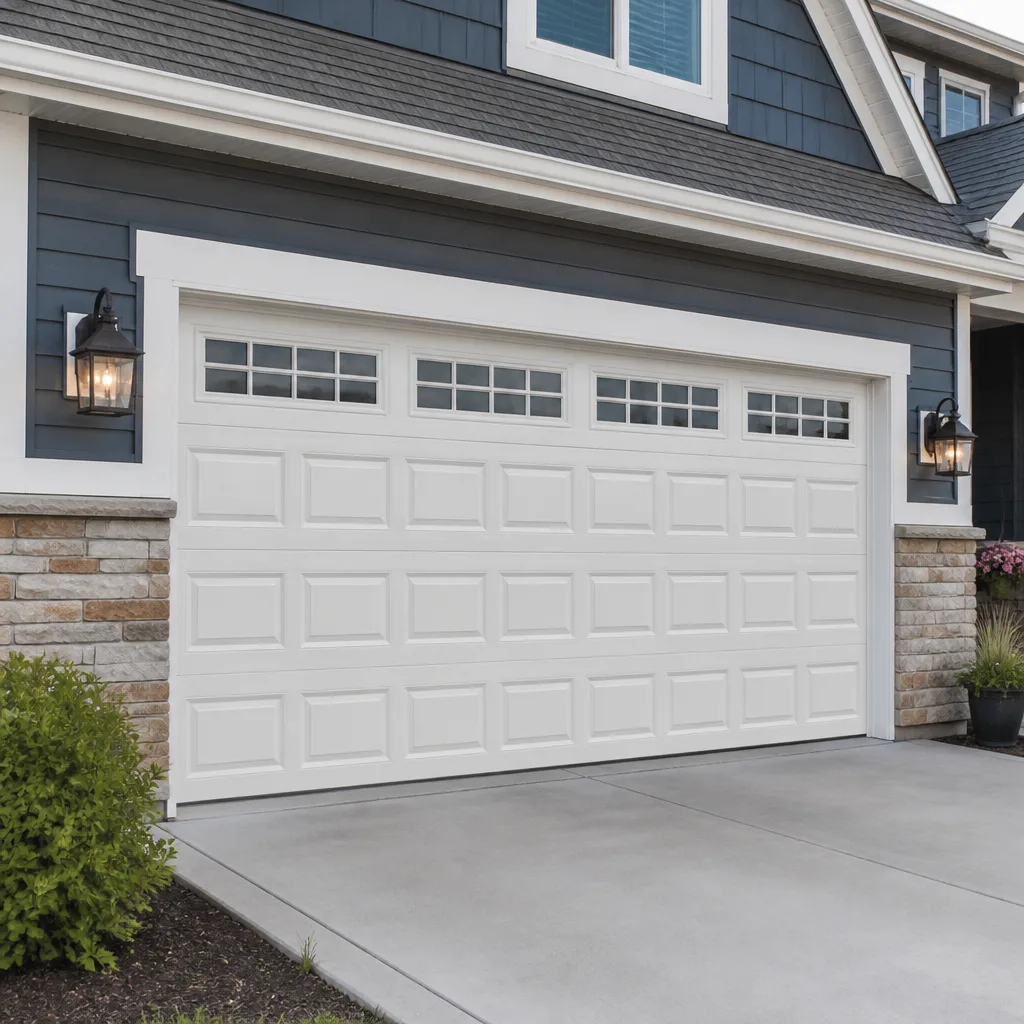 Raised-panel steel
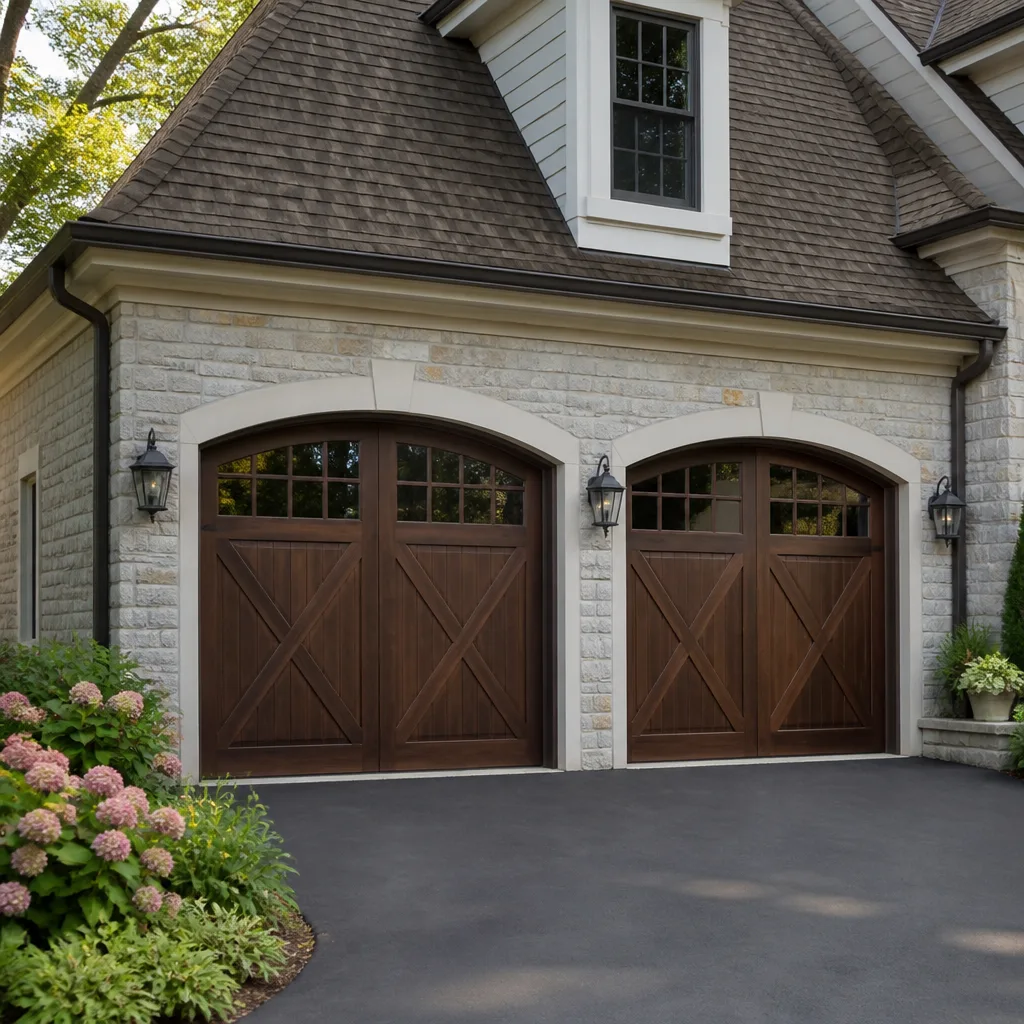 Carriage house
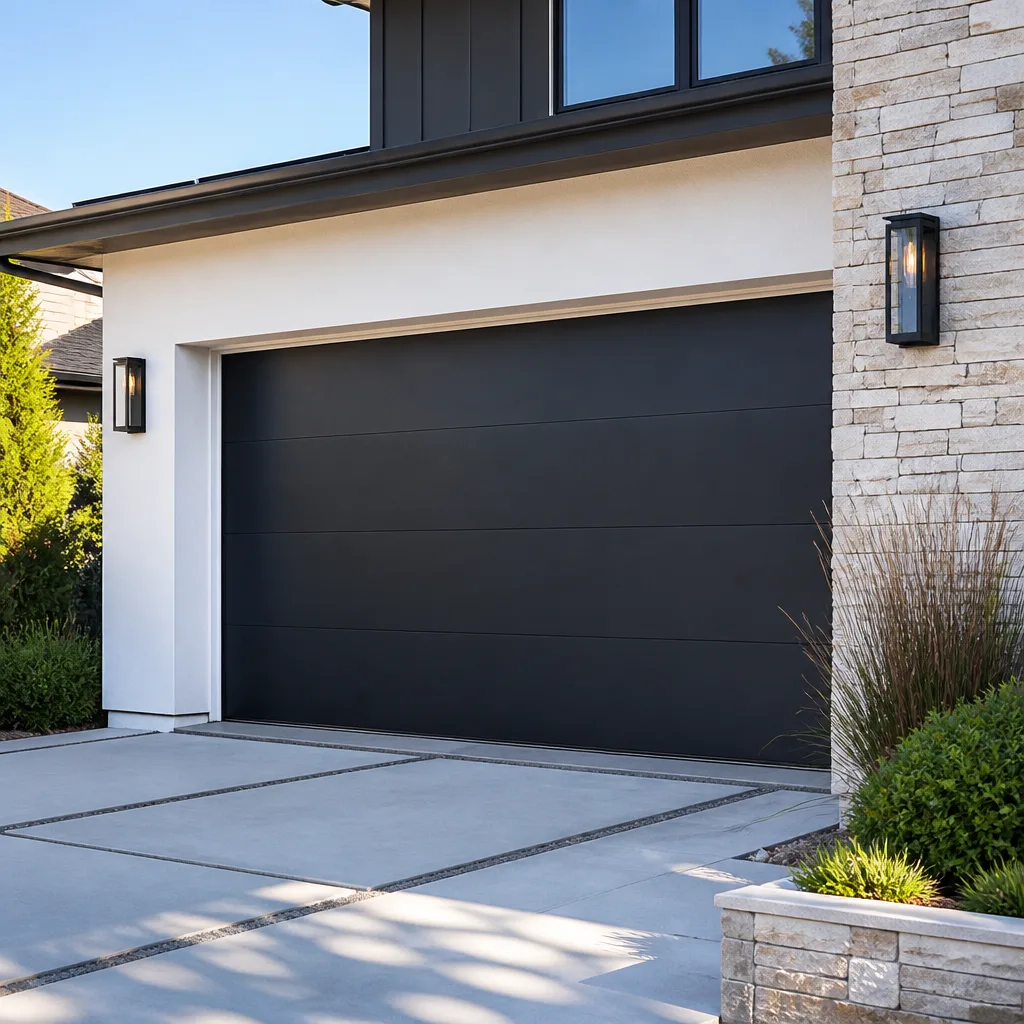 Modern flush
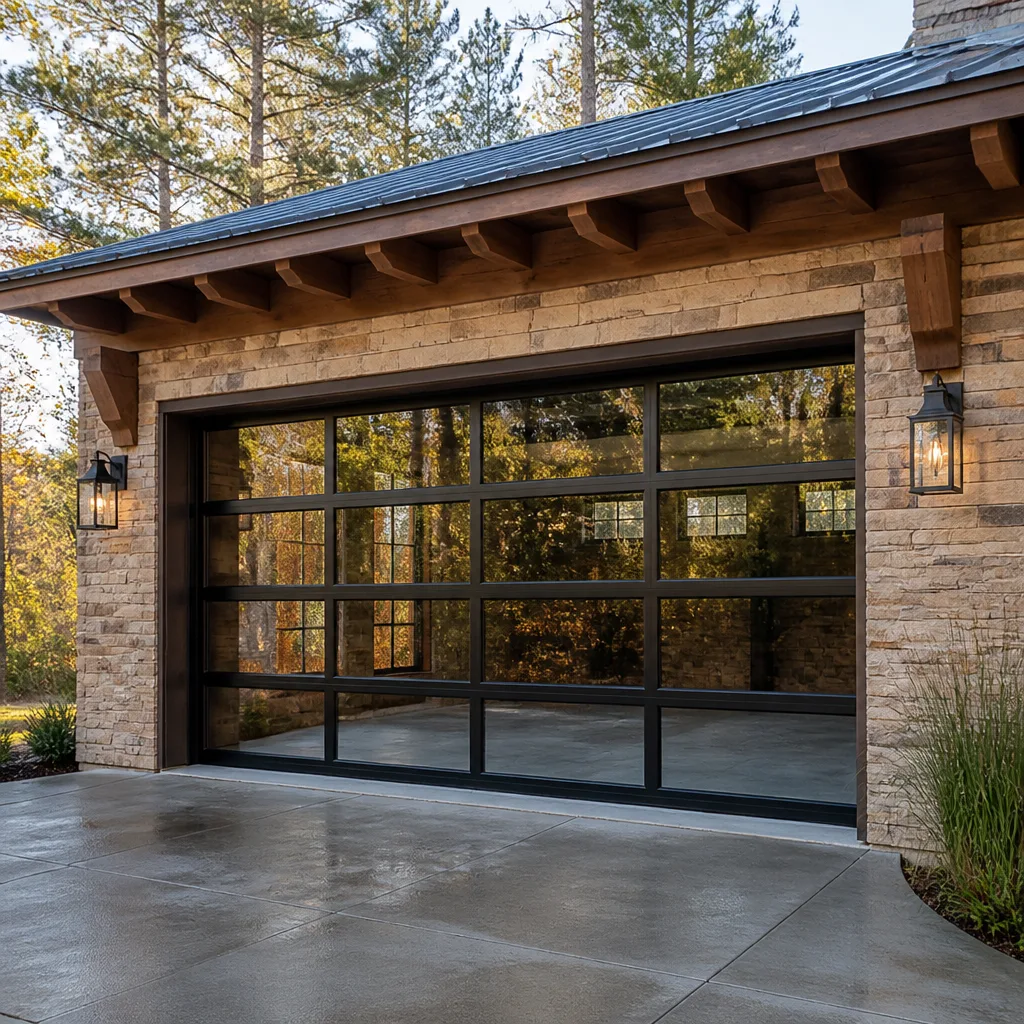 Full-view glass
 LiftMaster openers
 Chamberlain openers
Full 25-point door and opener safety check with every visit - springs, cables, rollers, tracks, and your LiftMaster or Chamberlain opener included
You get a price before we start. It does not change when the pro arrives.
Get your free estimateSeasonal Garage Door Care for Bethlehem: Year-Round Homeowner’s Guide
Most garage door problems in Bethlehem don’t announce themselves. They build slowly through a season, invisible until the morning everything stops working at once. The first cold snap of November is when the calls come in – not because anything shattered overnight, but because small issues that sat quietly through September become failures when the temperature drops to 28°F. The same pattern repeats in July, when heat expansion tightens clearances that were fine in April. This guide treats each Bethlehem season as its own maintenance window with specific tasks: what to check, what to leave alone, and when a $15 fix becomes a $300 problem. We’ll walk through fall, winter, spring, and summer, then hand you a month-by-month calendar calibrated to what actually happens in the Lehigh Valley.
Quick Answer
Garage door care in Bethlehem follows four distinct seasons: fall prep for dropping temperatures (spring tension, weather seals, track alignment), winter survival mode (frozen seals, ice-locked tracks, opener strain), spring recovery after a Lehigh Valley winter (panel warping, rust, cable corrosion from road salt), and summer UV and heat-expansion checks. The single most important task is a fall tune-up in October – that’s when you catch the small issues before 28°F turns them into breakdowns.
Styles & brands we work with
- Raised-panel steel
- Carriage house
- Modern flush
- Full-view glass
- LiftMaster openers
- Chamberlain openers
Table of Contents
- Why Seasonal Care Matters More in Bethlehem Than Most Places
- Fall Prep: Getting Ahead of the First Cold Snap
- Winter Failure Modes: What Breaks and What You Can Fix
- Spring Recovery After a Lehigh Valley Winter
- Summer Heat, UV, and Expansion
- Month-by-Month Calendar for Bethlehem Homeowners
- Brand-Specific Seasonal Notes
- When Seasonal Checks Become a Repair Call
Why Seasonal Care Matters More in Bethlehem Than Most Places
Bethlehem’s temperature range is the whole story here. Winters dip to 10°F and summers climb to 95°F – a swing of 85 degrees across the year. Garage door materials move with that swing. Steel expands and contracts. Torsion spring steel changes tension. Wood panels swell and dry out. Seals go from pliable to brittle and back again. Every component on your door is responding to the season you’re in, whether you touch it or not.
This matters because most garage door advice online is written for a national average climate. It assumes mild winters, moderate summers, and a stable humidity range. Bethlehem doesn’t have any of those. When we service doors across the city, the failures we see are tied to specific weather transitions – the November cold snap, the February freeze-thaw cycle, the June humidity spike. Each one has its own signature.
The Lehigh Valley geography adds a layer too. Bethlehem sits in a basin where cold air settles overnight, which means the doors facing north or east hit freezing temperatures earlier in the evening than doors on the south side. If your garage faces the shadow side of the house, your seasonal schedule needs to start a couple weeks earlier than a neighbor’s whose door faces the afternoon sun.
Seasonal care isn’t about being thorough for its own sake. It’s about catching things in the cheap window. A stiff opener gear in October is a $10 part. The same worn gear in January, after it’s stripped and stranded your car in the driveway, is a full opener repair. The math is the same every year.
In our experience, the homes that avoid emergency calls are the ones that get a professional tune-up in the fall and stay on top of a few basic checks through winter. The homes that call in a panic are the ones that never think about the door until it stops working.
Fall Prep: Getting Ahead of the First Cold Snap
October is your most valuable maintenance month in Bethlehem. Fall is when you either set the door up for a smooth winter or leave it exposed to failures that only show up when temperatures drop. The goal of fall prep is to identify everything that’s marginal while the weather is still forgiving enough to fix it on your own schedule, not in an emergency.
Torsion spring tension is the single most important thing to have checked. Spring steel responds to temperature – as the metal cools, tension drops. A spring that barely lifts a 150-pound door at 65°F in September will struggle noticeably at 35°F in November. On a door with an opener, that struggle shows up as motor strain. On a manual door, it shows up as you having to muscle it. Neither is a failure yet, but both put extra load on the spring, the cables, and the opener gear. A technician adjusting torsion spring tension for cold weather is a small, safe adjustment. You should not attempt it yourself – we’ll explain why below.
Fall tasks you can handle:
- Lubricate the moving parts – hinges, rollers, and the opener rail. A dry-silicone or white-lithium spray works well. Avoid heavy grease – it stiffens in cold weather and attracts grit of its own.
- Check the weather seal along the bottom – run your hand along it. If it’s cracked, brittle, or leaving visible daylight under the door, it needs replacing before winter. A stiff seal makes a poor barrier against cold air, snow, and drafts.
- Inspect the tracks for debris – leaves, small twigs, and grit work their way into the vertical and horizontal tracks. Clear them out before cold weather arrives.
- Test the safety reverse – place a 2×4 flat on the ground under the closing door. If the door doesn’t reverse immediately on contact, the opener’s safety system needs attention. Same test for the photo-eye obstruction sensors: wave something across them mid-close and confirm the door reverses.
- Tighten the bolts on hinges and brackets – vibration loosens hardware over the year. A socket wrench and a few minutes of attention saves rattles and eventual wear.
The one thing to leave alone: do not touch the torsion spring, cables, or the brackets that hold them. Torsion springs on a residential door are under enough stored energy to cause serious injury, even death, if they’re handled incorrectly. The tools that professionals use to wind and set tension exist for a reason. This is a job for a trained technician, every time. If your garage door repair to-do list includes anything spring-related this fall, get a professional out to look at it while the weather is still comfortable.
Winter Failure Modes: What Breaks and What You Can Fix
Winter is when the small stuff gets exposed. Bethlehem’s 10°F stretches and freeze-thaw cycles create three predictable failure modes on a residential garage door: frozen bottom seals, ice-locked tracks, and opener motor strain. Knowing which of these you can handle and which needs a call saves you both money and cold hands.
Frozen Bottom Seals
The rubber weather seal along the bottom of your door can freeze to the concrete if there’s any moisture on the driveway or under the door when the temperature drops. The result: the door lifts partway, stalls, and you hear the opener grinding. It’s tempting to force it – don’t. The seal will tear or the opener will overload. The fix is to release the opener (pull the red emergency release cord), lift the door manually if it moves freely, and break the seal loose. If it doesn’t move at all, something else is going on and it needs a technician. Prevent it by clearing snow and ice away from the door’s contact line before nightly freezes.
Ice-Locked Tracks
Melting snow from the roof or drifts against the door can push water into the vertical tracks and then freeze. The roller gets locked in place and the door either won’t move or moves with audible grinding. Again, pull the release and try to lift manually. If it moves, chip the ice out of the tracks carefully with a plastic scraper (never a metal tool), dry the track, and re-engage. If the roller is visibly damaged or bent, that’s a technician job.
Opener Motor Strain
This is the most common winter opener issue and the one most homeowners miss. Cold weather increases the resistance in every moving part – the door itself is harder to lift, the rails, rollers, and hinges stiffen, and the opener has to work harder to compensate. A door that ran smoothly at 60°F will noticeably strain an opener at 15°F. If you hear the opener laboring, the door banging at the end of its travel, or the motor cutting out mid-cycle, the opener is likely fine – the door needs adjustment. Get someone out to check spring tension and track alignment before the opener burns out its gear.
Winter care you should not skip:
- Clear snow and ice away from the door’s bottom edge after every storm
- Keep the photo-eye sensors clean and unblocked – winter light reflecting off snow can confuse them, so wipe the lenses
- Watch for signs of opener strain (laboring sounds, slow movement, reversing for no reason)
- Never force a stuck door – the release cord and a manual lift attempt tell you whether it’s a seal, a track, or something deeper
If your door fails completely – stuck open, snapped spring, opener dead – emergency service exists for exactly this. A door that won’t close is a security hole, and in winter the call is often urgent. We answer it as a core part of what we do.
Spring Recovery After a Lehigh Valley Winter
Once the snow melts and the salt washes off the roads, the real state of your garage door becomes visible. Spring is when the accumulated damage from a Lehigh Valley winter shows up – and some of it is genuinely surprising. Three things to check first: panel warping, track rust, and cable corrosion.
Panel Warping
Water infiltration is the enemy. If your door has wood or fiberglass panels (Clopay, Amarr, and Wayne Dalton all use these materials on various models), snow melt that gets behind the panel can cause swelling, delamination, or in some cases visible warping by the time spring dries everything out. Steel panels can show less obvious warping if the internal insulation got waterlogged. Walk along the outside of the closed door with a flashlight and look for wavy or uneven surfaces – if the reflection is distorted where it should be flat, that panel has absorbed moisture. Small issues can sometimes be repaired. Larger ones mean a panel replacement.
Track Rust
Road salt on your car’s undercarriage flings up into the garage every time you park, and some of it lands on the tracks. It also gets onto the bottom brackets, hinges, and the vertical sections near the door’s edge. Rust on tracks makes rollers drag, throws off alignment, and accelerates wear on the rollers themselves. Run a rag down the inside of each track – if it comes away orange or gritty, the track needs cleaning and a light silicone spray. Heavier rust means track replacement.
Cable Corrosion
The lift cables run from the bottom corners of your door up to the drums above the torsion spring. They’re the most safety-critical component after the springs themselves, and they’re the part most affected by winter road salt. Look at the cable near the bottom bracket – if the strands look frayed, kinked, or show any sign of corrosion, that’s a stop-driving-it situation. A failing lift cable on a door in motion can cause the door to drop, and it can also send the door crooked hard enough to damage the tracks. This is one of the safest times of year to have cables inspected – do it before spring actually settles in.
Other spring tasks:
- Wash the door’s exterior with a mild detergent and a soft brush. Salt residue left on the panels will continue to corrode paint and finish.
- Check and re-lubricate the hinges, rollers, and opener rail after the winter’s grit.
- Re-test the safety reverse and photo-eye sensors – winter can jam or misalign them.
- Listen for new noises as the door cycles. Grinding or popping sounds that weren’t there in fall often point to a specific worn part.
- Clear leaves and debris from inside the garage floor and under the door’s contact line.
Spring is also the season to think about whether the door itself is worth keeping. A garage door installation after fifteen or twenty years often makes more economic sense than repeated repair – but that’s a decision to make with a written estimate in hand, not a guess. Spring measurements and quotes are free, and the work is scheduled rather than rushed.
Summer Heat, UV, and Expansion
Summer creates its own failure modes, and they’re different from anything winter throws at you. The 95°F stretches affect garage door materials in ways most homeowners don’t think about until something visibly fails. Three things to watch: UV degradation on wood and fiberglass, heat expansion on steel tracks, and opener overheating.
UV Degradation
Wood doors need a fresh finish every few years to defend against UV. Sun exposure bleaches and dries wood, causing cracking, splintering, and eventually panel damage. If your door’s finish is chalky, faded, or rough to the touch, that’s the warning sign – sand and refinish before the wood itself starts to fail. Fiberglass doors (some Wayne Dalton and Clopay models) are also UV-sensitive – the same surface dulling can lead to brittleness over time. A quality paint or gel coat protects both. Steel doors with a baked-on finish hold up better, but scratches that expose bare metal will rust if left unaddressed.
Heat Expansion on Steel Tracks
Steel garage door tracks expand measurably as they warm up. In an unconditioned garage that gets to 110°F+ on the interior during a Bethlehem heat wave, the vertical tracks can actually bow slightly or push against the wall brackets. The visible symptom: the door starts rubbing or binding on one side, and the gap between the door and track (the clearance) gets tight. If you hear scraping or see metal-on-metal contact as the door moves, the clearance needs adjustment. This isn’t a DIY fix – the tracks are structural and adjusting them wrong can misalign the door and stress the springs.
Opener Overheating
Openers with standard duty-cycle ratings trip their thermal cutoff on hot days more easily than in winter. If the door stops partway and the opener doesn’t respond for a minute or two, the motor has overheated and needs to cool. Let it rest and it will recover. If the pattern repeats after the door cools, the opener itself is showing its age rather than just reacting to heat – that’s when garage door opener repair comes into play. LiftMaster, Chamberlain, Genie, and Craftsman openers all have their own duty-cycle and service needs; a specialist who knows the specific model diagnoses it faster.
Summer upkeep tasks:
- Re-lubricate hinges and rollers – summer heat dries lubricant faster than winter cold does
- Wash the door’s exterior to remove pollen and grime that hold heat and moisture against the finish
- Check that interior garage ventilation is working – a stifling garage accelerates wear on every component
- Inspect the opener’s manual for its duty cycle and match your usage to it during hot weeks
- Look at the door’s balance – a door that needs to be held in place at mid-travel has a spring issue
Month-by-Month Calendar for Bethlehem Homeowners
A calendar is only useful if it’s calibrated to what actually happens here. The schedule below is built around Bethlehem’s real climate pattern, not a national average. Adjust a couple weeks in either direction depending on which direction your garage faces and how much sun it gets.
October – The Fall Tune-Up
This is the most important month of the year for your door. Have a professional check spring tension, cables, and opener gear before temperatures drop. DIY: lubricate hinges and rollers, test the safety reverse, clear the tracks, inspect the weather seal.
November – The Cold Snap
First hard freezes typically arrive this month. Watch for the door to feel heavier or the opener to labor on the first cold morning. Test the bottom seal by running your hand along it. Any stiffness now will become brittleness by December.
December through February – Winter Survival
Focus on the three winter failure modes: frozen seals, ice-locked tracks, opener strain. Clear snow and ice weekly. Listen for sounds that weren’t there in October. If the door stops responding, pull the release cord and see whether it moves manually before calling.
March – The Thaw Check
This is the “surprise month” – things break as the freeze-thaw cycle ends. Check for water damage under and around the door. Look at the cables for corrosion and the tracks for rust. Listen for new noises.
April – Spring Deep Check
Wash the door thoroughly. Inspect panels for warping and delamination. Re-lubricate everything that took winter grit. This is also the ideal month for a professional spring and cable inspection – the salt damage from the winter is fully visible now.
May – Prep for Heat
Check the opener’s duty cycle and test it on the first really warm day. Confirm the interior garage has some ventilation. Fix any scratched paint before summer sun gets to the bare metal.
June through August – Summer Watch
Watch for heat-related binding on the tracks and opener overheating on 95°F days. Re-lubricate in early June. If you have a wood or fiberglass door, check the finish quarterly – “chalky” is the call to refinish.
September – The Pre-Fall Reset
Clean and lube before cold weather. Schedule your October tune-up now – the shops get busy once the first freeze hits. If you noticed anything unusual over the summer, address it before winter exposes it further.
Brand-Specific Seasonal Notes
Different systems wear differently. Our technicians are factory-familiar with the eight most common residential brands – LiftMaster, Chamberlain, Genie, Clopay, Amarr, Wayne Dalton, Craftsman, and Raynor – so we can tell you what to expect seasonally on the equipment you actually have.
Openers: LiftMaster, Chamberlain, Genie, Craftsman
LiftMaster and Chamberlain share much of their internal architecture (both brands are made by the same parent), so their seasonal behavior is similar: gear wear shows up as slow movement or loud operation in cold weather, and the travel limits can drift slightly as the door’s balance changes through the year. Genie openers commonly use a screw-drive or belt design that responds differently to cold – their belts can stiffen more than chain drives, so cold-weather strain shows up as extra motor labor. Craftsman openers, many of them older models still in service, tend to have worn travel-limit switches by the time they’re a decade or two old, which shows up as the door reversing or stopping at slightly different points winter to summer. Any of these brands benefit from the same fall tune-up: spring check, travel-limit adjustment, gear inspection.
Doors: Clopay, Amarr, Wayne Dalton, Raynor
Clopay, Amarr, and Wayne Dalton doors are often wood, fiberglass, or insulated steel, and the seasonal concerns are mostly about moisture and UV. A wood door needs a new finish every few years – inspect in spring, refinish in early summer if the finish is chalky. Insulated steel panels can show warping internally if water got behind them; that’s usually a spring inspection item after a hard winter. Wayne Dalton’s line includes fiberglass models with distinctive UV sensitivity – if you have one, sun exposure and finish checking are the important checks. Raynor doors, often built heavier for durability, put more load on springs and openers over time, so the fall spring-tension check matters even more for the heavier doors of any brand.
When Seasonal Checks Become a Repair Call
Some things you can handle with a spray can of lubricant and a few minutes. Others deserve a call. The line between the two is clearer than you’d think, and knowing it saves you both frustration and safety risk.
Call for help when:
- A torsion spring snaps – you’ll hear a loud bang and the door won’t lift. This is a same-day emergency, not a “get to it this weekend” repair. Never attempt to lift a door with a broken spring.
- A cable snaps or visibly frays – same as above. The door is unsafe to operate until a professional replaces the cable.
- The door comes off the track – don’t try to force it back on. Bent tracks and damaged rollers are common follow-ups, and the door can fall.
- The opener runs but the door doesn’t move – the opener might be fine and the issue is a broken spring, snapped cable, or the emergency release is engaged. A quick check tells you whether it’s an opener problem or a door problem.
- The door reverses immediately after closing or won’t close at all – the safety system or the close-force limit needs adjustment.
- Spring tension feels wrong – if the door is noticeably harder to lift than it was a season ago, don’t force it. Have it checked.
Bethlehem Garage Door Repair Co offers free estimates in Bethlehem – call (866) 937-7470. We handle the full lifecycle of your door: springs, openers, panels, tracks, and new installation when the door itself has reached the end. Emergency service is a core part of what we do, not an upsell – if the door fails during a storm or a cold snap, that call is what we’re set up for.
Common Mistakes to Avoid
- Greasing the torsion spring or cables. People do this thinking it’s “lubrication.” It’s actually a safety hazard – grease attracts grit that accelerates wear and hides corrosion you’d want to see. Springs and cables need inspection, not grease.
- Filing “seasonal care” into a single annual task. A spring tune-up doesn’t cover winter’s failures, and winter survival doesn’t cover summer’s UV damage. Each season is a separate window with separate tasks.
- Using WD-40 as a garage door lubricant. It’s a penetrating oil, not a lubricant. It’ll evaporate and leave the moving parts drier than before. Use white-lithium or a dedicated silicone garage door spray instead.
- Forcing a stuck door in cold weather. The opener will grind a gear before the door moves, and the spring feels extra load. Pull the release cord first. If a manual lift doesn’t work, the problem is downstream of the opener.
- Ignoring a slightly misaligned track. Small alignment drift in fall becomes a door that binds in winter when cold contracts the metal further. Fix misalignment early, not after it strands you.
- Skipping the spring check because nothing’s “wrong.” Springs don’t fail on a schedule you can predict. The fall check finds marginal tension before the first cold snap exposes it.
- Waiting until the door fails to schedule a January appointment. Once it’s below freezing, every shop in Bethlehem gets stretched thin. A tune-up in October is easier to book and cheaper than an emergency in January.
See the difference
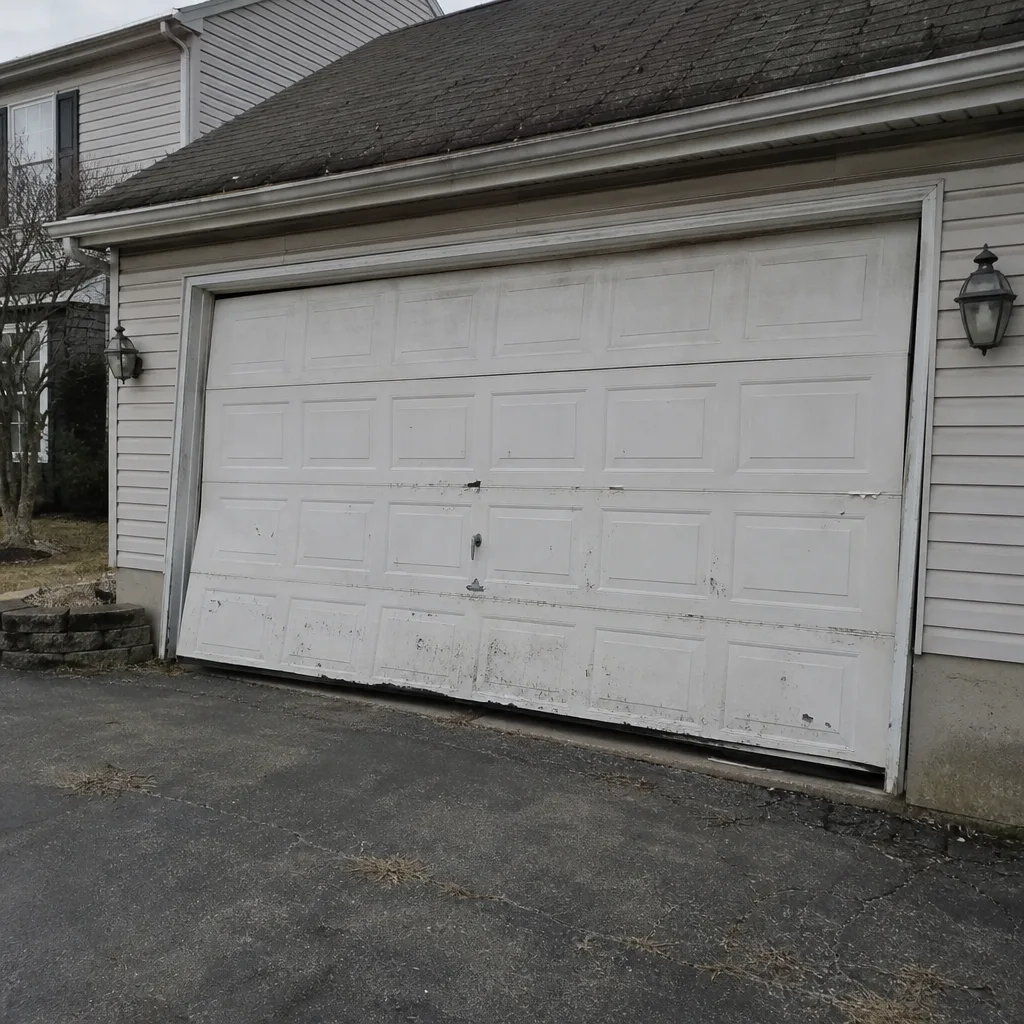 Before
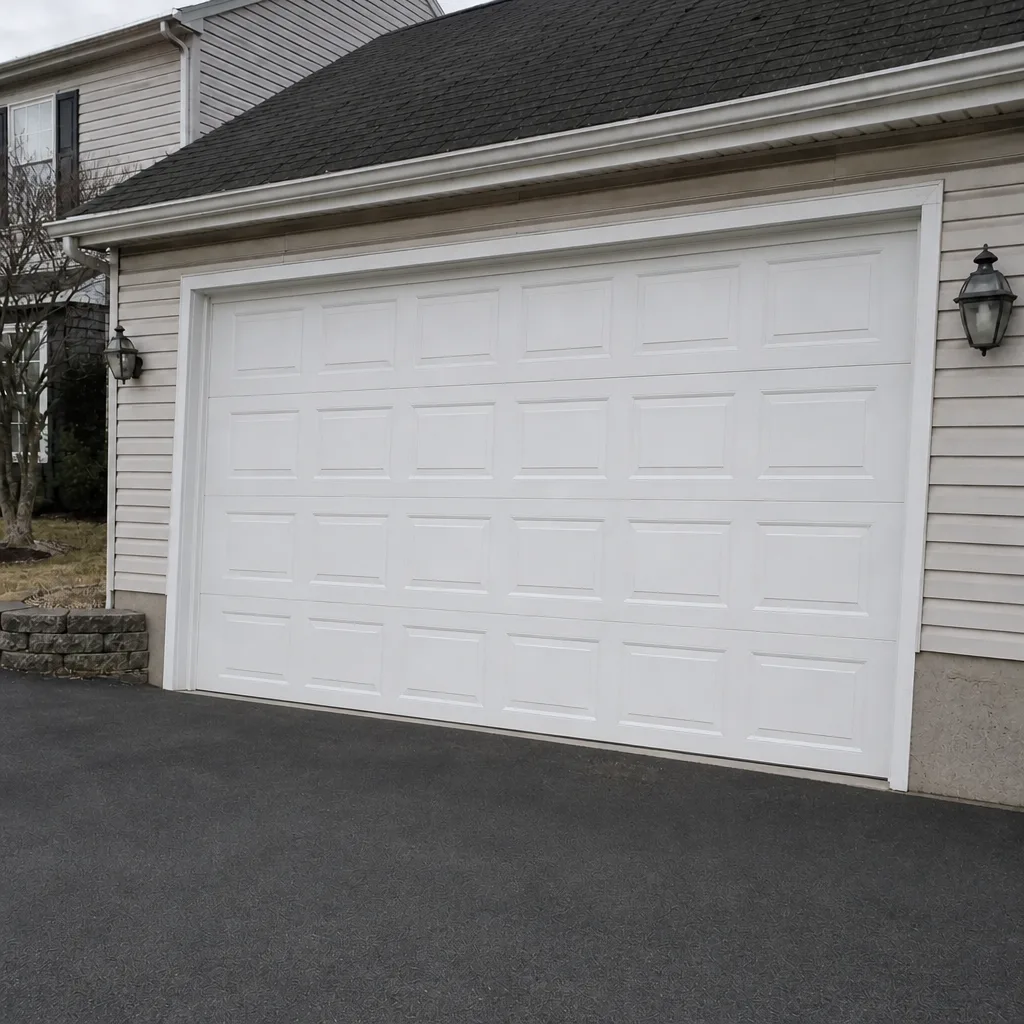 After
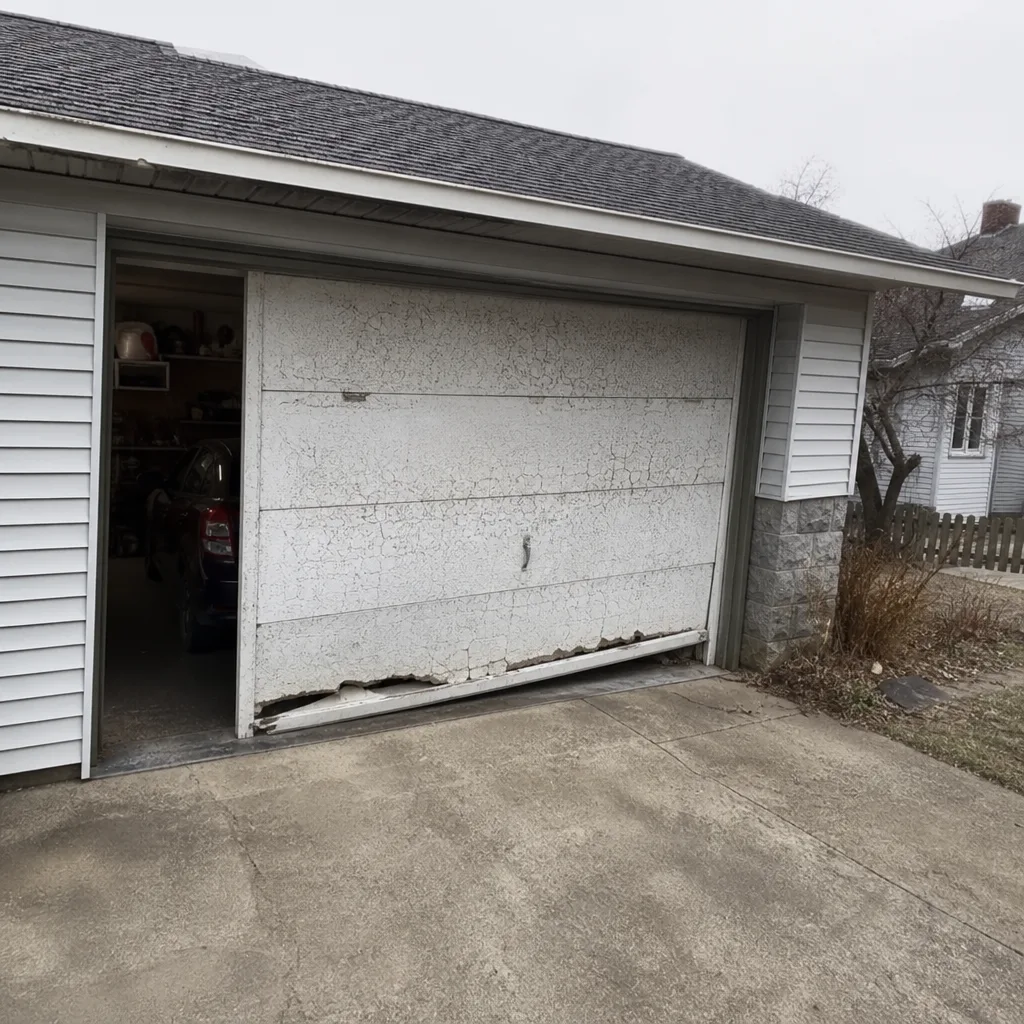 Before
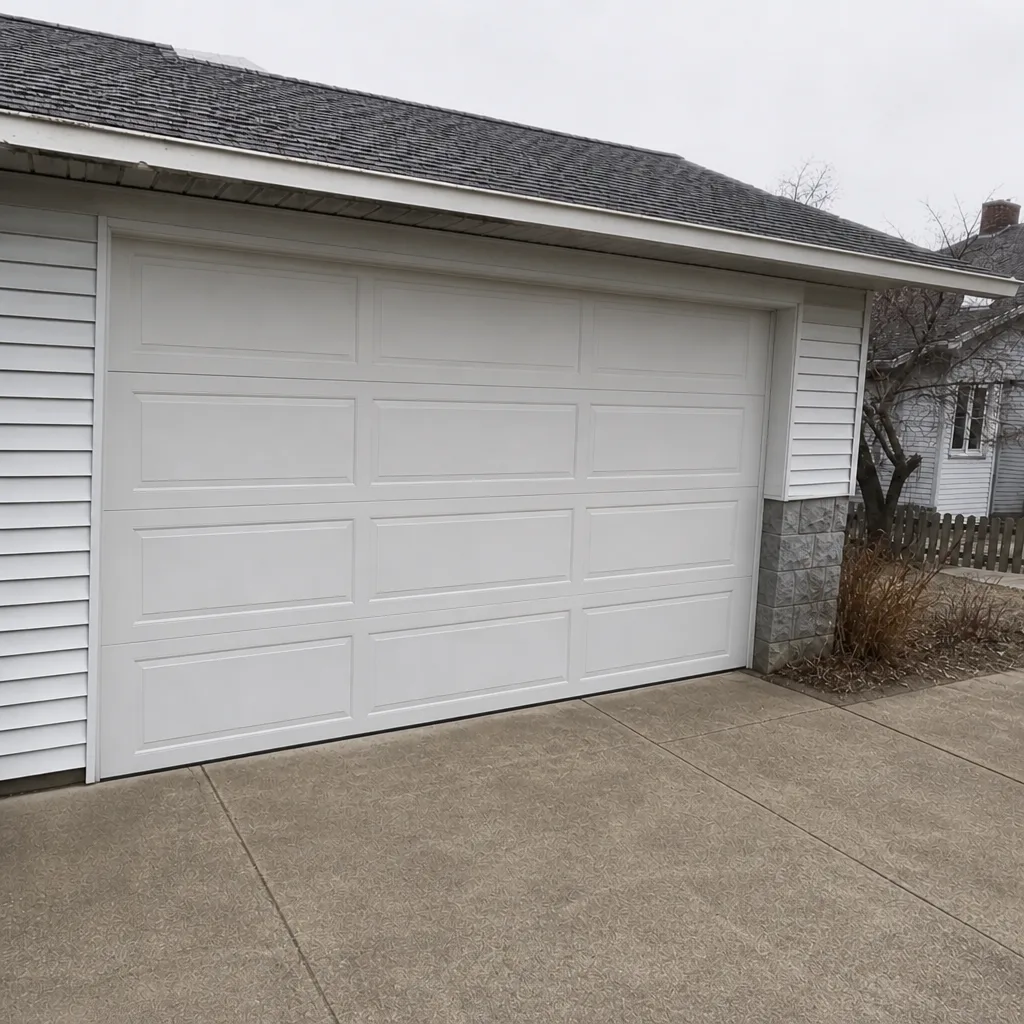 After
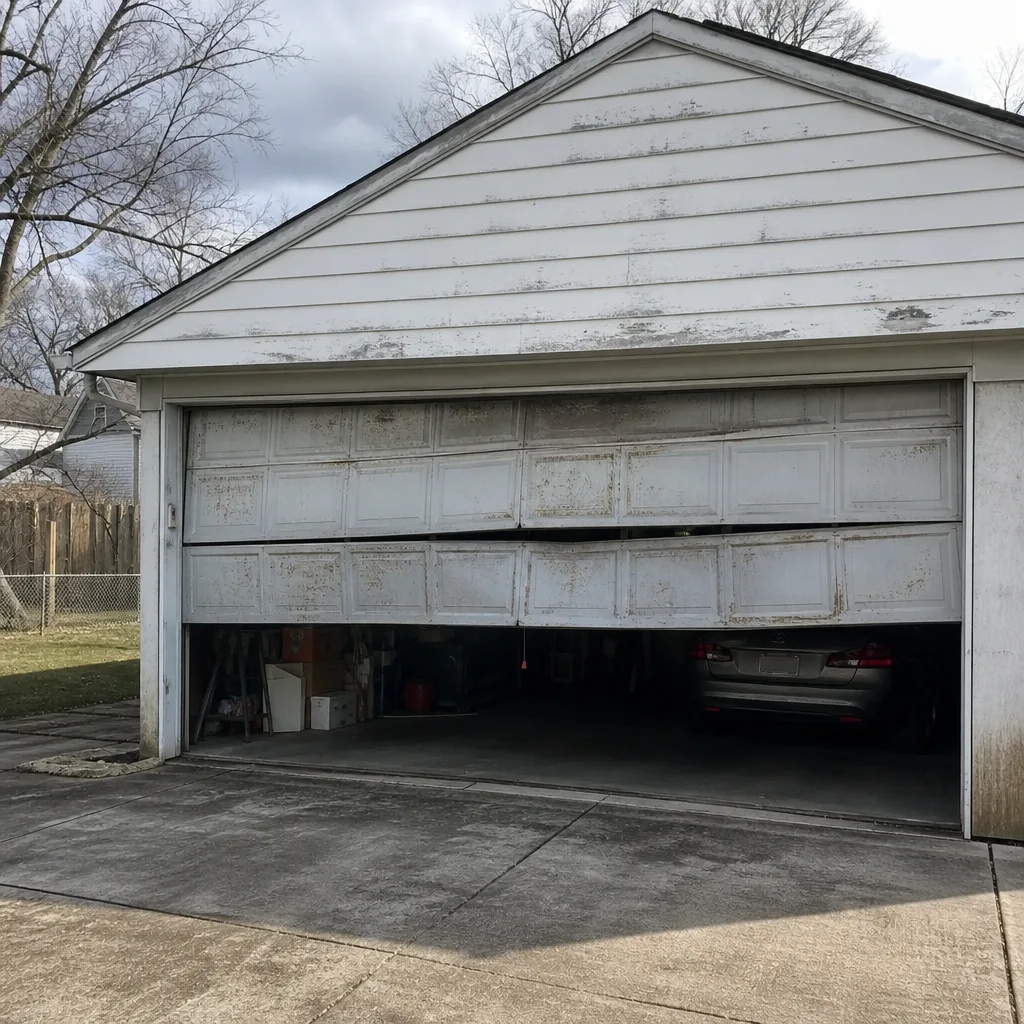 Before
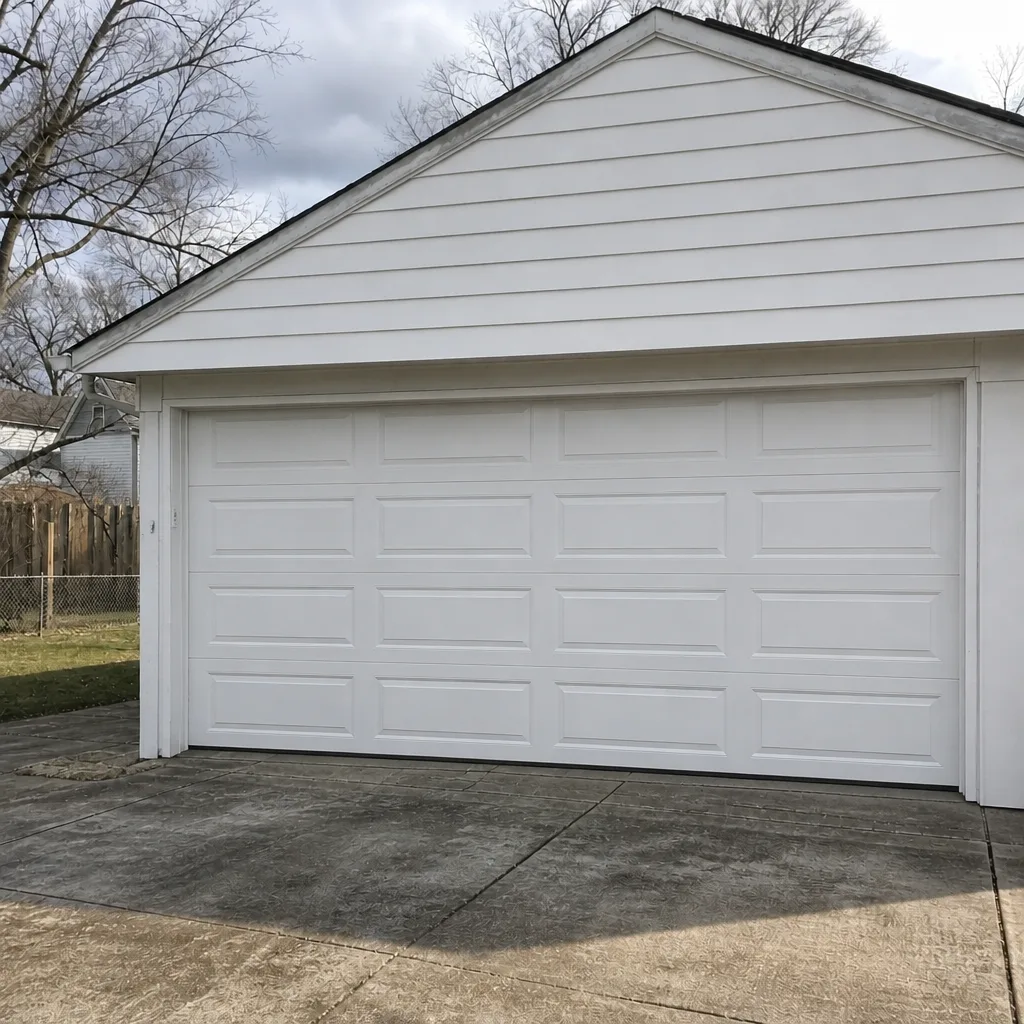 After
When to Call a Professional
Some seasonal maintenance is genuinely DIY territory – lubricating hinges, cleaning tracks, replacing a weather seal, testing safety sensors. The moment anything touches the spring, cable, or track structure, that’s when a professional takes over, because those components are under enough stored energy to cause serious injury if handled wrong. Nobody without specific training should be turning, unwinding, or measuring tension on a torsion spring. The same applies to cable replacement and any realignment of tracks after an impact.
Beyond safety, calling a specialist makes practical sense. Our technicians have up to 14 years of experience and are factory-familiar with the eight most common brands, so we diagnose faster on the equipment you actually have. Bethlehem Garage Door Repair Co offers free estimates in Bethlehem – call (866) 937-7470 to schedule a tune-up or a repair, and we’ll quote the work in writing before it starts.
Frequently Asked Questions
October is the ideal month. That’s when you catch small issues before the first cold snap of November turns them into failures at 28°F. A spring check and a travel-limit adjustment in October costs less than an emergency repair in January and gets the door through the winter without drama. If you missed October, an April tune-up after the thaw is the next best window.
You can if the fall tune-up went well and you keep an eye on the three winter failure modes: frozen seals, ice-locked tracks, and opener strain. Do not leave ice buildup around the bottom seal, and don’t force a stuck door – pull the release cord first. If the door stops moving normally at any point during the winter, get it checked before the opener burns out its gear. Call (866) 937-7470 if the door fails completely – we handle emergency service as a core offering.
Torsion spring steel loses tension as it cools. A door that balanced perfectly at 65°F will feel noticeably heavier at 35°F, and an opener-driven door will labor. This is normal to an extent, but if the door is hard to lift or the opener strains audibly, the spring tension needs adjustment for cold weather. This is a technician task – do not attempt it yourself. A fall tune-up catches this before winter exposes it fully.
The local pro who performs the work is licensed and insured as their state requires, and our technicians have up to 14 years of experience. We’re a garage door specialist, not a general contractor who also does doors – springs, openers, panels, tracks, and installation all fall under what we handle. Call (866) 937-7470 with any questions about our coverage or the scope of the work.
A seasonal tune-up typically runs in the range of a routine service call, and spring or opener repairs are quoted per job after we’ve seen the door. Every estimate is in writing and agreed before any work starts – no surprises on the invoice. Fall tune-ups cost less than winter emergency calls, which is why October matters. Call (866) 937-7470 for a free estimate on whatever your door needs this season.
DIY: lubricating hinges, rollers, and the opener rail; wiping down tracks; replacing weather seals; testing safety sensors and the safety reverse; a basic visual inspection of panels and cables. Technician: anything involving the torsion spring, cables, or track structure; opener gear and travel-limit adjustment; any realignment after the door has come off track. If you’re not sure, err on the side of calling – a free estimate clarifies the job without putting your hands where they don’t belong.
The Bottom Line
Seasonal garage door care in Bethlehem is four different jobs, not one. Fall preps the door for cold. Winter is survival mode – watch the seals, tracks, and opener, and know which failures you can handle and which need a call. Spring is recovery after a Lehigh Valley winter, focused on panel warping, rust, and cable corrosion from road salt. Summer tests UV resistance and heat expansion while the door is at its most stressed. The single most valuable habit is an October tune-up – that’s the window where cheap fixes stay cheap. Miss it, and the first cold snap decides your door’s winter for you. Whatever your door needs this season, we’re set up to handle it: springs, openers, panels, tracks, and new installation across the eight major residential brands. Call (866) 937-7470 for a free estimate.
For more on what we do, see garage door opener repair and garage door installation.
Written by the team at Bethlehem Garage Door Repair Co.