Last updated November 22, 2026
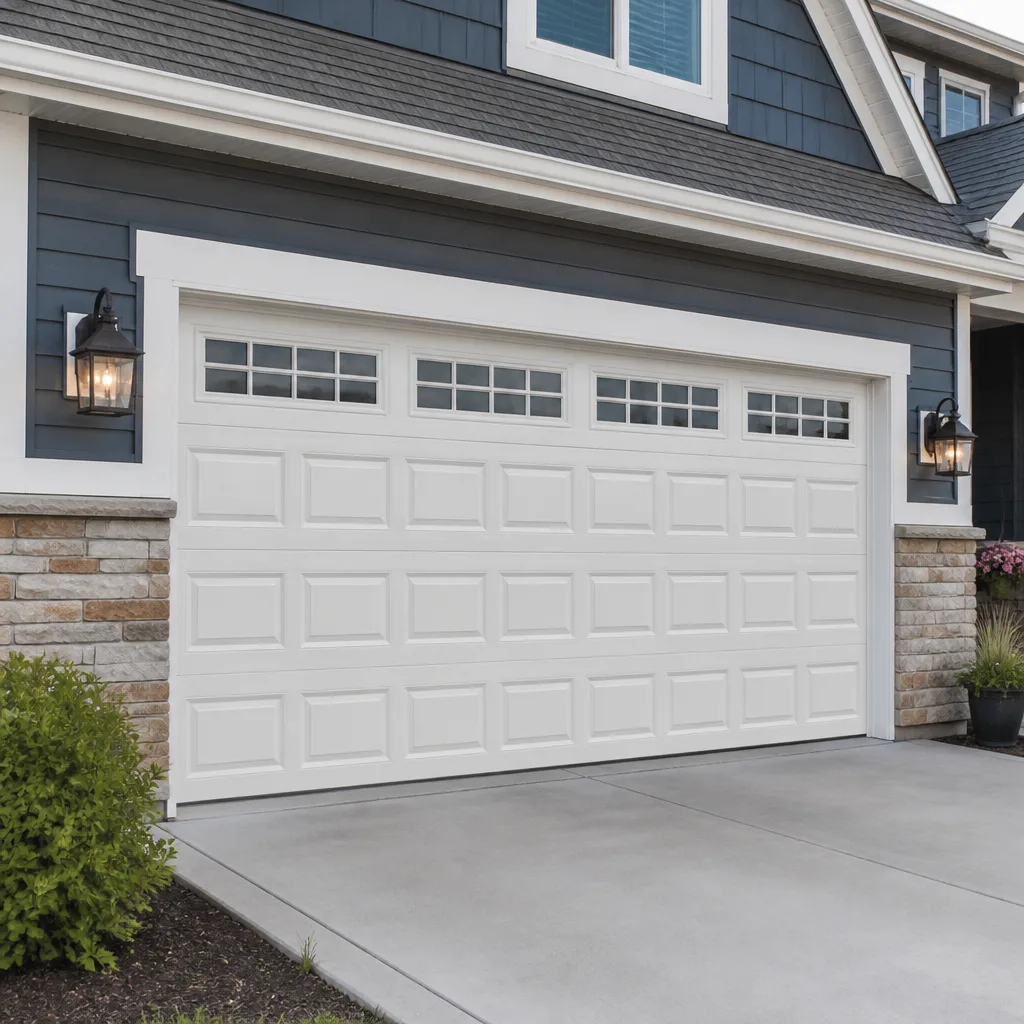 Raised-panel steel
 Carriage house
 Modern flush
 Full-view glass
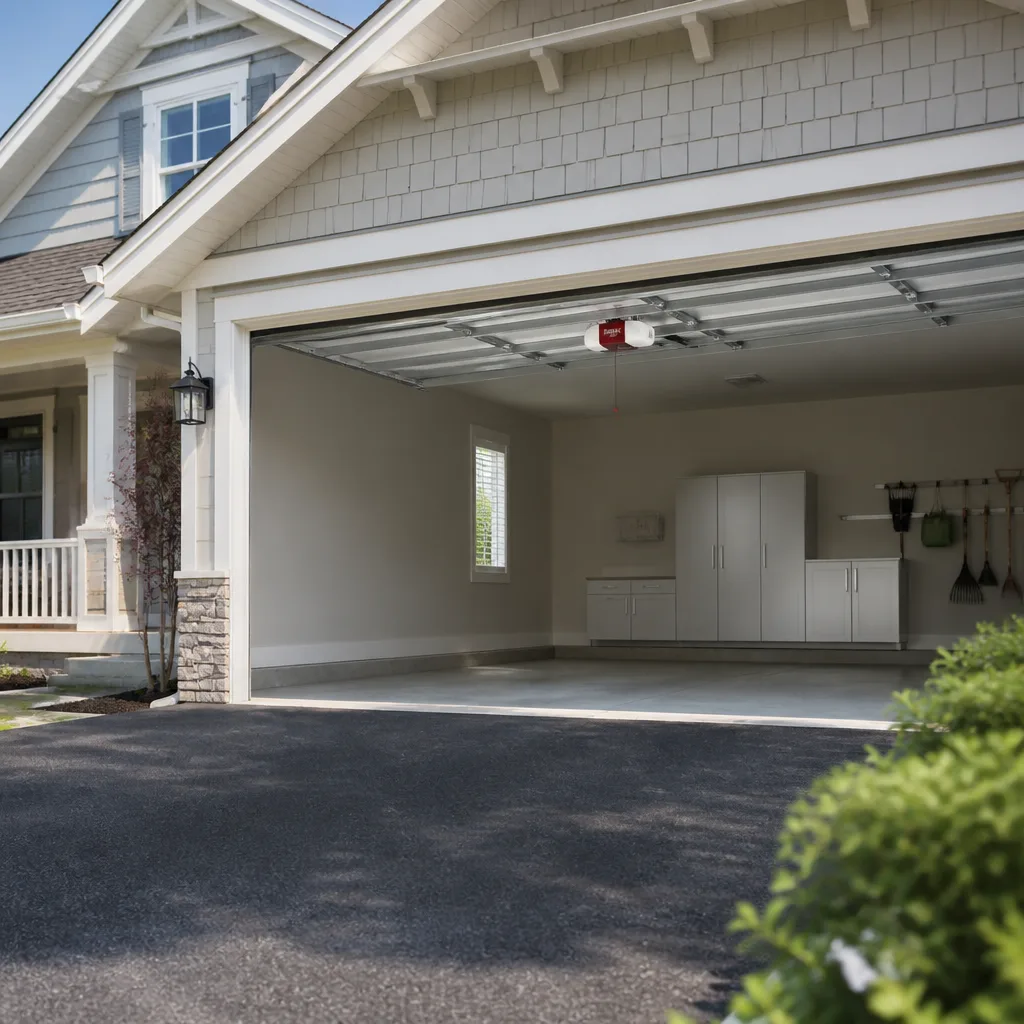 LiftMaster openers
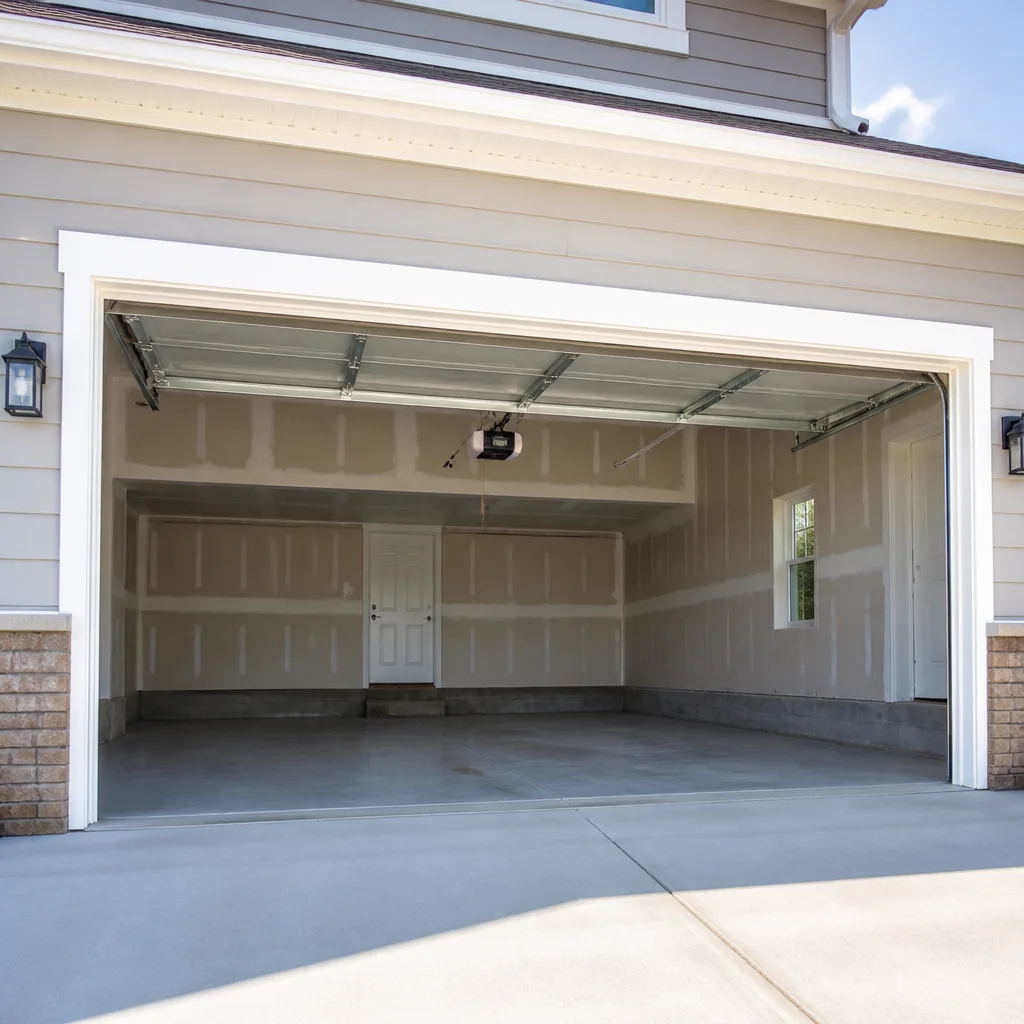 Chamberlain openers
Full 25-point door and opener safety check with every visit - springs, cables, rollers, tracks, and your LiftMaster or Chamberlain opener included
You get a price before we start. It does not change when the pro arrives.
Get your free estimateGarage Door Repair Maintenance Checklist for Bethlehem Homeowners
Your springs don’t care what year it is. They care how many times you’ve opened the door. That’s the part most maintenance advice gets wrong. A general checklist tells you to “lubricate moving parts” and “check for wear,” then sends you off to guess. So homeowners in Bethlehem replace openers that were fine, ignore cables that were fraying, and get surprised by a spring that has been running out of cycles for years. What follows is a working checklist: which components get which lubricant, how to read what you’re hearing and seeing, and how to estimate where your springs actually stand. It’s built for attached garages, real winters, and doors that see steady daily use.
Quick Answer
A garage door in Bethlehem needs a light monthly check, a deeper quarterly service, and an annual inspection of springs, cables, rollers, and the opener. Lubricate the hinges, rollers with metal bearings, torsion shaft, and tracks with the right products, keep the tracks clean and dry, test the spring balance twice a year, and call a specialist the moment you see a frayed cable or hear a snap that leaves the door stuck. Most of this takes under 20 minutes and prevents the breakdowns that strand you on a cold morning.
Styles & brands we work with
- Raised-panel steel
- Carriage house
- Modern flush
- Full-view glass
- LiftMaster openers
- Chamberlain openers
Table of Contents
- Where Your Springs Stand: The Cycle-Count Math
- The Lubrication Protocol: What Gets Grease, What Gets Silicone, What Gets Nothing
- The Two-Minute Spring Balance Test
- Visual Inspection Sequence: Cables, Tracks, and the Bottom Seal
- Opener Checks: Safety Reverse and Drive System
- Quarterly vs. Annual: A Schedule You’ll Actually Keep
- Prepping a Bethlehem Door for Winter
- Working With Your Brand of Door and Opener
Where Your Springs Stand: The Cycle-Count Math
Garage door springs are rated by cycle count, not years. One cycle is one open and one close. A standard torsion spring sold for most residential doors is rated around 10,000 cycles, and a heavier spring or a high-cycle upgrade lasts longer. Count how many times your household runs the door on a normal day. A family that opens and closes four times a day, every day, burns through 1,460 cycles a year. Divide your spring’s rating by that number and you get the honest answer about where you stand. At four cycles a day, a 10,000-cycle spring reaches its rated limit in under seven years, and it usually gives no warning before it snaps.
The math gets more interesting when usage is uneven. A door used as the primary entry into the house from the driveway might run eight or ten cycles on a busy day and one on a lazy Sunday. An attached garage in Bethlehem that doubles as a workshop or mudroom threshold sees steady traffic through winter. Add those cycles up and subtract years of service from the total, and you have a rough position on the spring’s life. Two practical notes:
- Torsion springs sit on the shaft above the door. They’re often rated in cycles printed on a tag or ordering label, so you can check.
- Extension springs stretch along the horizontal tracks and are usually rated lower per spring, which is why they’re paired.
Springs are replaced as a matched pair in most cases. The reason is simple: if one has reached its cycle limit, its partner has lived the same life and is close behind. Replacing a pair also keeps the door level. If you’ve done the math and your springs are near their limit, the smart move is a planned replacement, not an emergency one at the curb in February. That’s the kind of judgment a specialist brings, which is exactly where our garage door repair work usually starts.
The Lubrication Protocol: What Gets Grease, What Gets Silicone, What Gets Nothing
“Lubricate moving parts” is the least useful line in any garage door checklist. Half the moving parts on your door benefit from lubrication, and some are actively damaged by it. Here’s the part most homeowners never hear. The correct products split into two families: a lithium-based grease or a dedicated garage door lubricant for load-bearing metal-on-metal contact, and a silicone spray for sliding or lighter components. And a few parts should never be lubricated at all.
Here’s the sequence we walk through on a typical service call:
- Hinges and the torsion shaft bearings: a drop of lithium grease or a light spritz of garage door lubricant on each hinge pivot and along the torsion shaft. These carry load and generate friction, so they’re the ones that squeak.
- Rollers with metal bearings: a small amount of white lithium grease on the bearing, not the roller face. These are the rollers worth keeping.
- Tracks: a light coat of silicone spray inside the track only, to reduce metal-on-metal scraping. Wipe away any excess.
- Weatherstripping and the bottom seal: silicone spray or a silicone-based protectant keeps the rubber supple through a cold winter. Never use a petroleum product, which dries the rubber out.
- Springs: light lubricant on torsion springs is fine and helps quiet a noisy wind. Extension springs get a light coat too.
- Rollers with nylon bearings and the rollers themselves where exposed: these get nothing. Nylon bearing rollers are sealed and self-lubricating; adding grease attracts grit and accelerates wear. Same applies to the roller face where it contacts the track.
One caution worth saying plainly. Do not use WD-40 or a generic spray on your tracks. It leaves a sticky residue that grabs every bit of dust and pollen blowing through a Bethlehem garage in spring and turns the track into a magnet for grime. Silicone spray only. And keep all lubricant away from the torsion spring winding cones and the cable drums, which are not something you should be touching at all.
The Two-Minute Spring Balance Test
You can test spring balance yourself in about two minutes, and the result tells you more about remaining spring life than any visual check. The method: close the door, then disengage the opener. Every opener has a manual release cord, usually a red handle hanging from the trolley. Pull it to disconnect the door from the drive. Now lift the door by hand to about waist height, gently, and let go.
- Door stays roughly where you left it: springs are balanced and doing their job. A slight drift is normal.
- Door drops quickly or hard: the springs are losing tension and getting weak. Balance is off and the opener is carrying weight it shouldn’t.
- Door rises on its own: springs are over-tensioned, which is a safety issue and needs a technician.
- Door feels very heavy lifting by hand: a broken or badly weak spring. Do not force it. Re-engage the opener and call us.
Two warnings. Never test balance with the door disconnected from the opener if you can’t support it easily; a heavy door can drop fast on your foot or hand. And never try to adjust spring tension yourself. Torsion springs are under enough load to cause serious injury if a winding tool slips, and extension springs can whip without a safety cable. This test tells you whether to call a professional, not how to fix it yourself. Run it in spring and again before winter, when a failing spring is most likely to give out at the worst moment. If you’d rather have us run it, our garage door repair team does this check on most visits.
Visual Inspection Sequence: Cables, Tracks, and the Bottom Seal
A visual inspection is your lowest-effort, highest-value habit. Do it in the same order every time so you don’t skip something. The sequence takes five minutes and catches problems months before they strand you. Here’s what to look for and the specific failure thresholds, not vague “check for wear” language.
- Look at each cable along its full length. Run your eyes from the drum at the top of the door down to the bottom bracket. A cable is a problem when you see a single broken strand, a kink, a spot where the wire has flattened, or rust spots in the winding. One broken strand is a replace-now signal. A frayed or kinked cable can snap and the door can come down unevenly, which is a serious hazard.
- Check the tracks for alignment. Stand back and eyeball each vertical and horizontal track against the door edge. The tracks should be straight and parallel. Gaps between the roller and the track edge should be even. A track can be knocked out of line by a car bumper or a hard closing, and once it bends past a slight dent, the door catches. Don’t try to bend it back with a hammer; you’ll misalign it worse.
- Inspect the bottom seal. Sit on the floor and look along the rubber seal. Replace it when you see cracks longer than a half inch, a flap hanging loose, or a gap where light shows through at the corners. A worn seal in Bethlehem lets in cold air, road grit, and the occasional mouse, and the seal is a cheap, easy replacement.
- Look at the springs themselves. A torsion spring with a visible gap or a clean break has failed. Extension springs should have safety cables running through them; if yours don’t, that’s a call to a technician.
- Check the rollers and hinges. Rollers that look flattened on the edge or that wobble in their brackets are worn and should be replaced. Hinges with loose screws get tightened; a hinge cracked at the pivot gets replaced.
If you see a broken strand, a misaligned track, or a spring that’s clearly failed, stop and call a specialist. Cables and springs under load are among the parts of your home that can hurt you badly. We’re set up for that call at (866) 937-7470 whenever you need it. For a free estimate on anything you find, that’s the same number.
Opener Checks: Safety Reverse and Drive System
Your opener has two jobs: open the door, and stop it if something is in the way. The second job is the one that gets ignored. Test the safety reverse once a month. Close the door and, while it’s moving, wave a broom handle or a piece of cardboard across the path of the photo-eye sensors near the floor. The door should reverse immediately. If it doesn’t, the opener needs service before someone gets hurt. Then test the force setting: lay a piece of wood flat on the ground under the door and close it. The door should reverse on contact, not push down on the wood. Every opener from LiftMaster, Chamberlain, or Craftsman uses the same principle, and it’s the first thing we check on any garage door opener repair visit.
Beyond safety, give the opener a quick listen. A grinding or scraping sound from the rail suggests the trolley or the drive gear is worn. A door that reverses for no reason or stops halfway usually points to the sensors or the travel limits, both of which are adjustable. Chain drives and belt drives have different sounds; the belt will be quieter. If your opener is an older unit with a failing logic board, the decision becomes repair versus replacement, and your brand and model matter. We work on LiftMaster, Chamberlain, Genie, and Craftsman openers in Bethlehem, so we can diagnose the unit you have instead of pushing a new system in. If you’ve been told your opener has to be replaced just to get service, that isn’t true for those four brands.
Quarterly vs. Annual: A Schedule You’ll Actually Keep
A checklist is only useful if it fits into a real month. Most maintenance lists are too long to keep up with, and the result is that nothing gets done. Here’s a schedule a Bethlehem homeowner can stick to, divided by how often you actually need to do it. Put it in your phone with a reminder, and note it around daylight saving time so it comes up twice a year automatically.
Every month (5 minutes): run the safety reverse test with the photo-eye sensors, listen to the door operate, look at the springs and the bottom seal, and glance at each cable.
Every quarter (20 minutes): the lubrication protocol on hinges, rollers with metal bearings, torsion shaft, and tracks. Wipe down the tracks. Re-check tracks for alignment. Test the balance by disengaging the opener and lifting the door to waist height.
Once a year (30 minutes plus a professional inspection): the full visual inspection sequence, replacing weatherstripping if it’s cracked, tightening hinge and bracket bolts, cleaning out the tracks, and checking the opener’s force setting. This is also the point to check the cycle math on your springs and decide whether to plan a replacement.
Before winter (October or November): the silicone treatment on the bottom seal and weatherstripping, a full balance test, and a look at the door’s alignment against the frame, since a door that’s settled a little will bind in the cold.
What you should not attempt, no matter how handy you are: winding or replacing torsion springs, adjusting the tension on extension springs without the safety cables, disconnecting the bottom bracket or cable, or repairing a cable under load. Everything above is homeowner-level. Those are not.
Prepping a Bethlehem Door for Winter
Winter in Bethlehem does specific things to a garage door. Cold tightens the rubber, makes metal shrink slightly, and thickens grease into something closer to paste. A door that runs smoothly in July can bind and strain in January, and that added strain accelerates wear on the opener and the springs. The prep that matters most is simple.
- Pretreat the bottom seal and weatherstripping. A silicone protectant in late fall keeps the rubber from hardening and cracking through the cold months, and an intact seal keeps out the drafts and moisture.
- Silicone only on the tracks. Lithium grease can stiffen in cold weather. The tracks want a silicone spray, applied lightly and wiped.
- Check for binding before the first hard freeze. Raise and lower the door by hand to feel for rubs or hesitation. If it’s binding now, it’ll be worse in the cold.
- Look for daylight along the bottom. If you can see light under the door, you’re losing heat and letting in moisture. Adjust the seal or replace it.
- Mind ice at the threshold. Keep the area under the door clear so the bottom seal doesn’t freeze to the slab and rip when the door opens.
- Test the balance before the season. A weak spring is more prone to fail under cold-weather strain.
A door that struggles all winter is giving you a warning. If it needs more than a lubricant and a seal, our garage door repair work covers springs, cables, and openers so the door is ready for the cold. If it’s time for a fresh door altogether, we handle garage door installation too, so you can talk through options before winter decides for you.
Working With Your Brand of Door and Opener
Your door and your opener are two separate systems, from two separate manufacturers, and maintenance involves both. That’s where a general handyman runs into trouble: they know one side of the equation and guess at the other. We service the panel side from Clopay, Amarr, Wayne Dalton, and Raynor, and the drive side from LiftMaster, Chamberlain, Genie, and Craftsman. Those eight brands cover the vast majority of residential doors in Bethlehem, and it means a compatibility question can be settled on the phone instead of by trial and error. When you call with a Raynor door and a Chamberlain opener, we already know how that combination behaves and what typically fails first.
Why that matters for a checklist: parts are not interchangeable across brands. A roller from one manufacturer may not match the track gauge on another door. A torsion spring is matched to the door’s weight and the type of drum, not pulled off a shelf by brand name alone. Clopay and Amarr use different panel profiles. Wayne Dalton has its own hardware quirks. Raynor has its own. Knowing the brand of both your door and your opener is the single most useful thing you can write down and keep in the garage. Photograph the labels on the door jamb and the opener housing. It saves time on every future call, whether it’s a repair or a replacement.
If you’re unsure what you have, call (866) 937-7470 and describe the label or the door. We’ll tell you whether it’s a brand we service. Our technicians have up to 14 years of experience with exactly these systems. And because we specialize in garage doors and openers, we’re not juggling ten trades on the way to your appointment.
Common Mistakes to Avoid
- Spraying WD-40 on the tracks. It feels smooth for a week and then collects every bit of grit and pollen. Tracks get silicone spray only, wiped down after.
- Greasing nylon-bearing rollers. They’re sealed and self-lubricating. Grease traps grit and shortens their life. Leave them alone.
- Trying to wind a torsion spring yourself. Torsion springs are under enough load to cause serious injury if a winding tool slips. Springs are a professional job, and that’s not a phrase we use loosely.
- Forcing a heavy door with the opener. If the door feels heavy by hand, the spring is failing. Running the opener against it strains the drive gear and burns out the motor faster.
- Ignoring a frayed cable. A single broken strand is a replace-now signal. Waiting for the whole cable to fail means an uneven, dangerous door drop.
- Skipping the balance test because the door “seems fine.” A door can operate smoothly on a weakening spring for months, then fail without warning. Test it twice a year.
- Replacing only one spring. The pair has lived the same life. Put one new spring next to a tired one and you’ll be doing this again soon, usually at an inconvenient time.
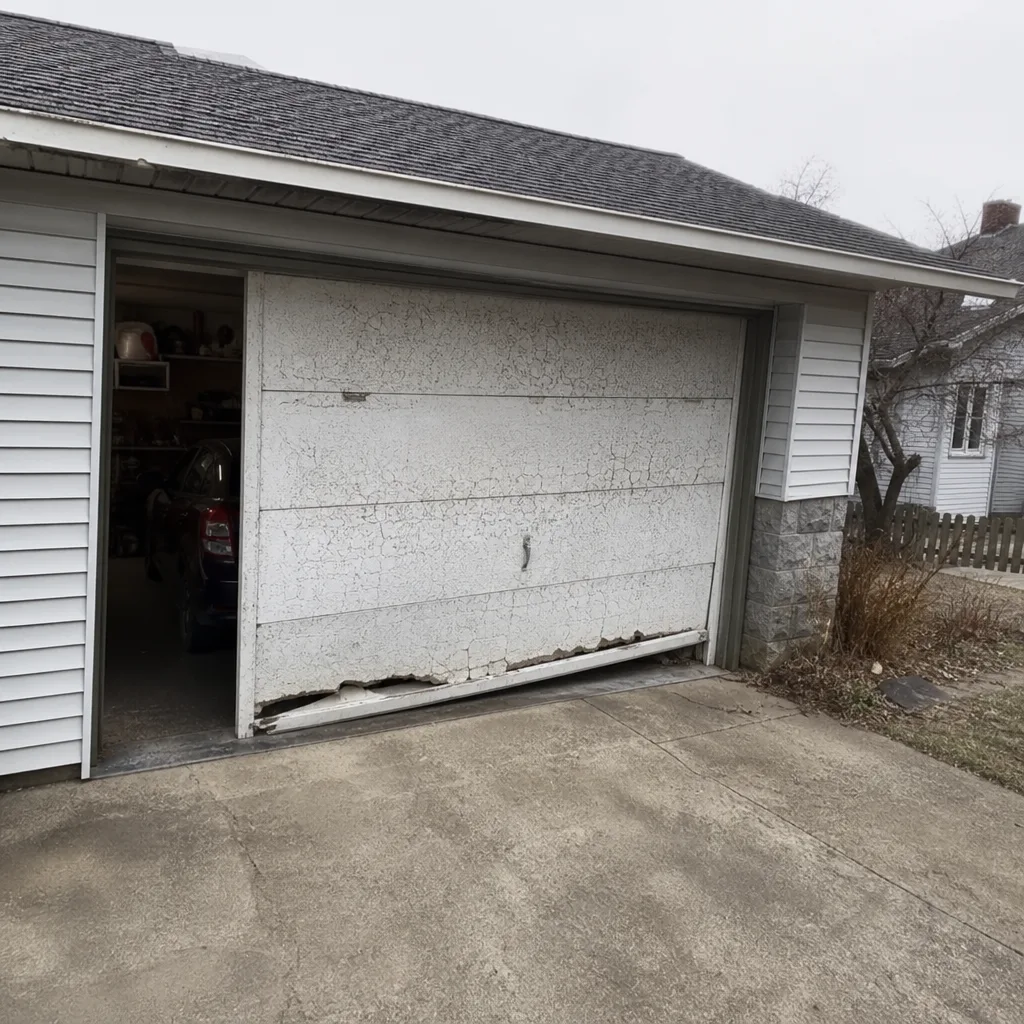
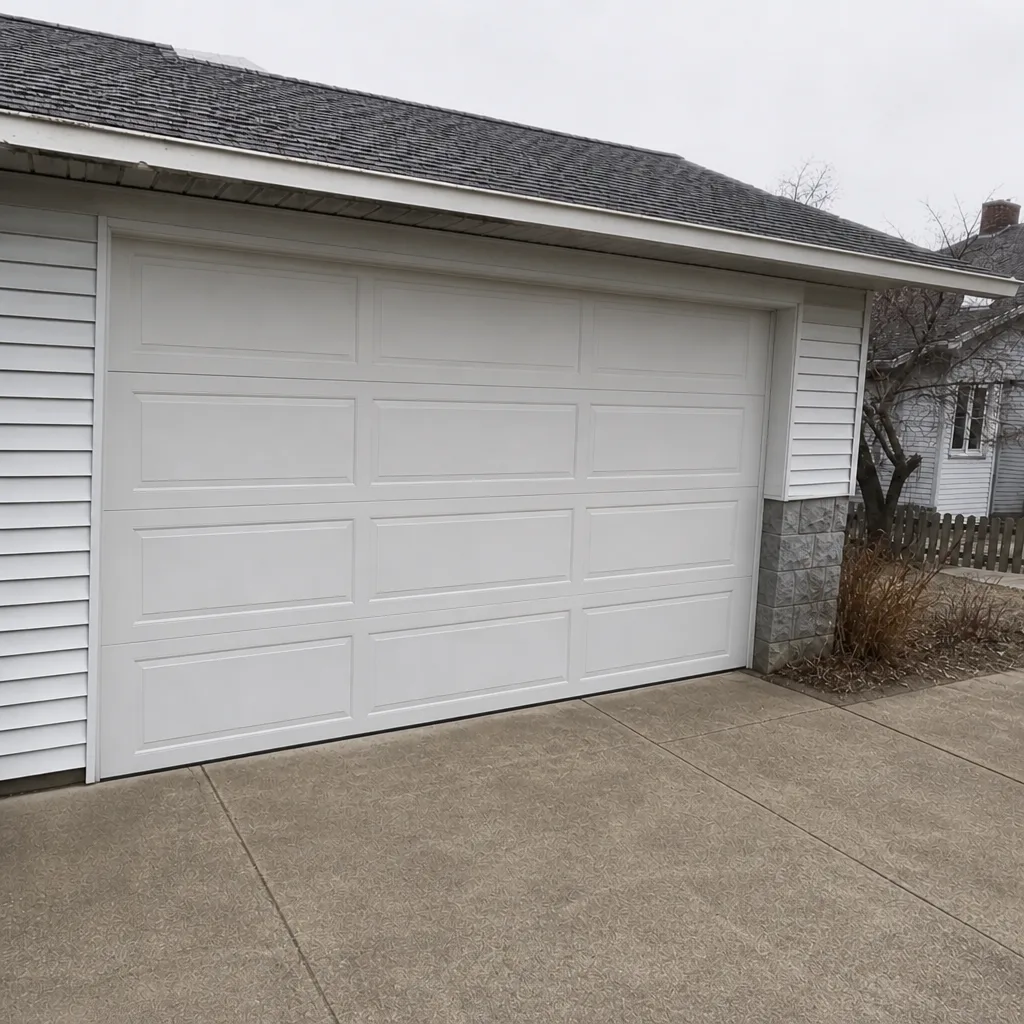
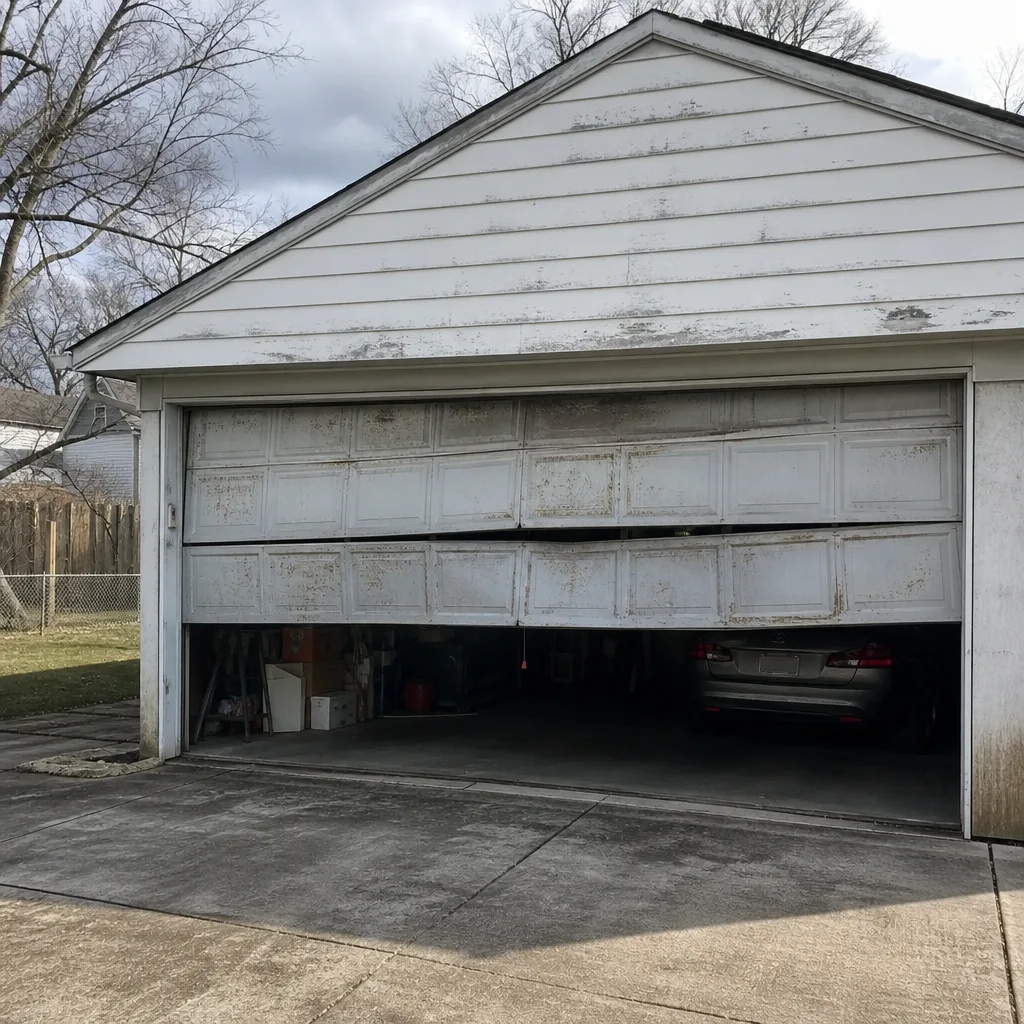
See the difference
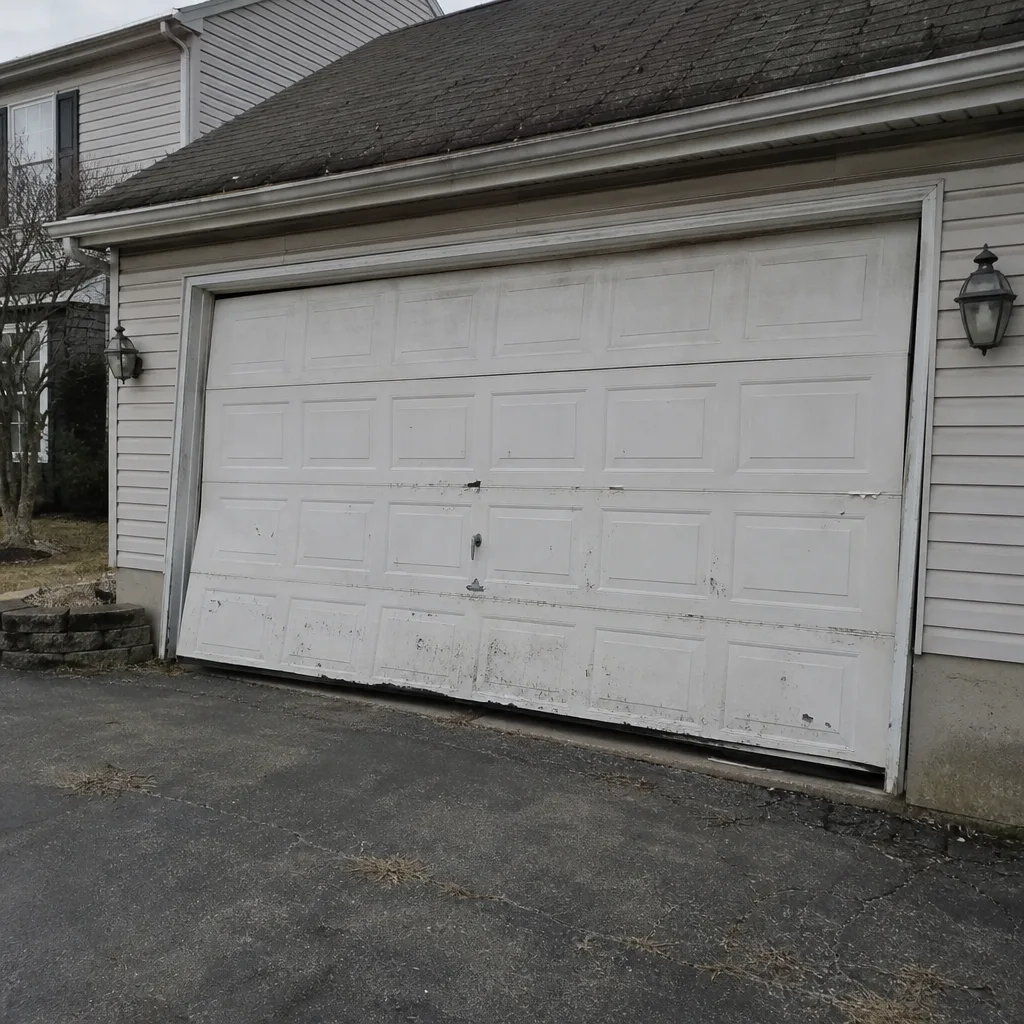 Before
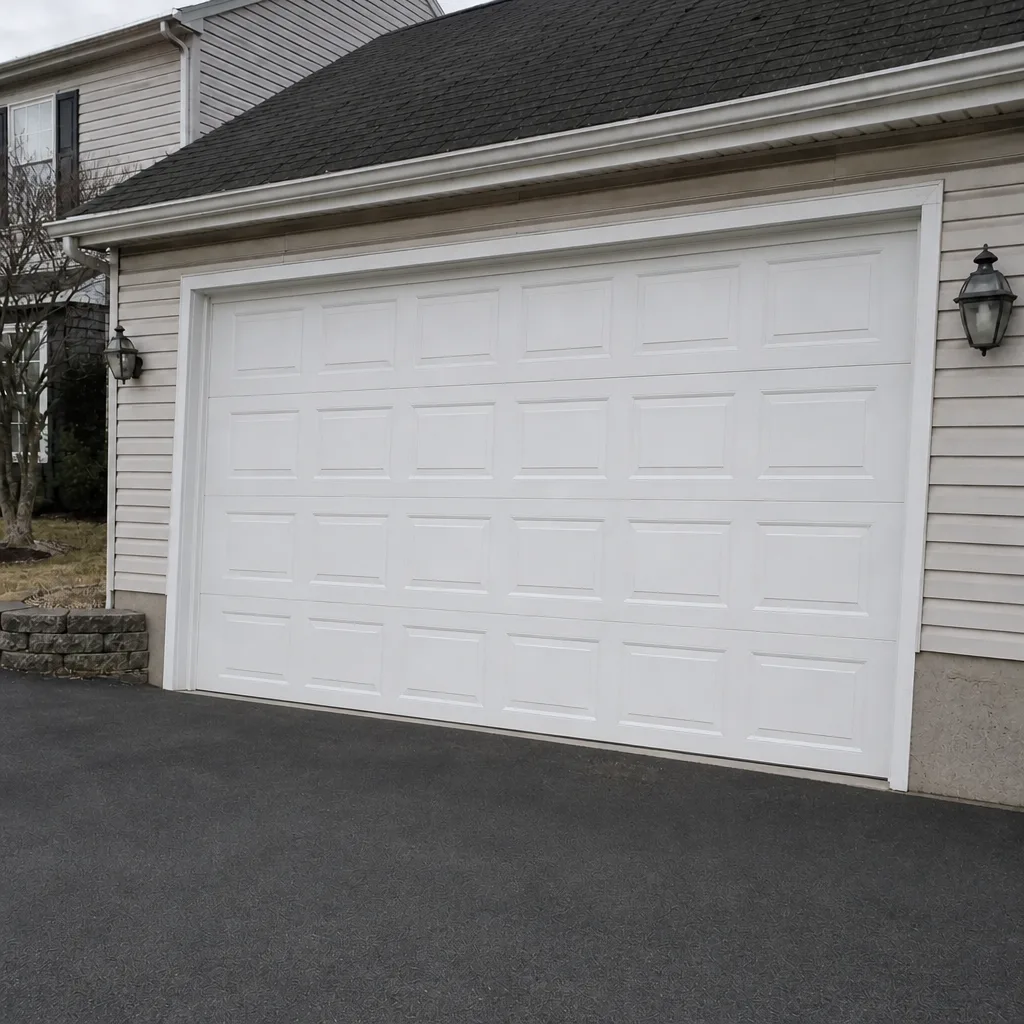 After
 Before
 After
 Before
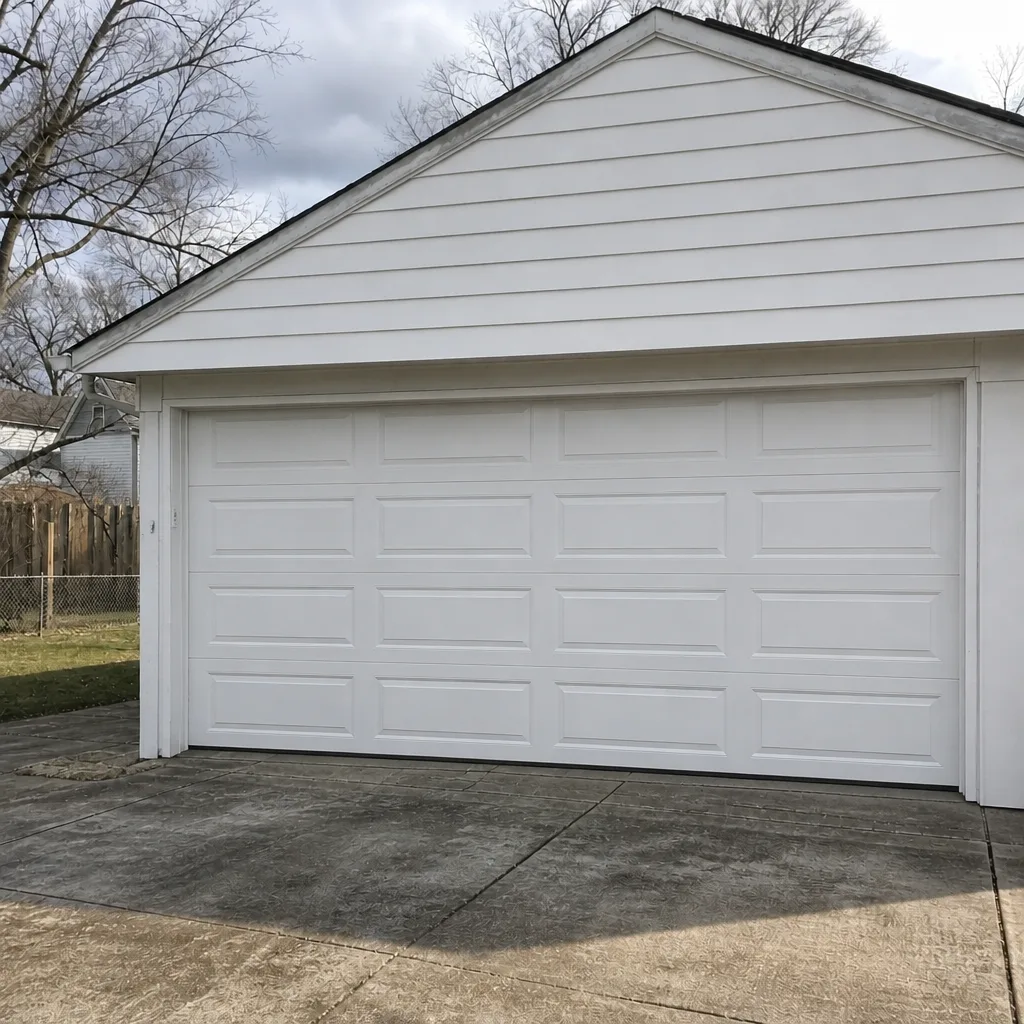 After
When to Call a Professional
Call us when the door is stuck or the balance test fails. Call us when you see a broken strand on a cable, a spring that’s snapped, a track that’s bent, or a door that won’t close all the way. Call us when the opener’s safety reverse fails, when it grinds and scrapes, or when it reverses on its own. Call us when the door feels heavy lifting by hand or when you find daylight all along the bottom even after a seal replacement. Call us before winter if the balance test has been borderline for a while. Bethlehem Garage Door Repair Co offers free estimates in Bethlehem. Call (866) 937-7470. Ask anything on the checklist and we’ll tell you honestly whether it’s a homeowner job or one for a specialist.
Frequently Asked Questions
Every three months is the right cadence for a door in daily use, with a lighter application before winter. Lubricate hinges, rollers with metal bearings, the torsion shaft bearings, and the tracks (silicone only), and finish with silicone on the bottom seal. Skip rollers with nylon bearings and don’t put anything petroleum-based on the rubber.
Do the cycle-count math first: four cycles a day works out to 1,460 a year, so a 10,000-cycle spring is close to its limit around seven years. Then test the balance by disengaging the opener and lifting the door to waist height. If it drops hard or feels heavy, the spring is failing. A visible gap or break means the spring has already failed. Call (866) 937-7470 for a free estimate on a pair.
No. Torsion springs are under enough load that a slipping winding tool can cause serious injury, and a door with a partially wound spring can come down hard. This is a job for a trained technician. The same is true for cables and the bottom bracket. We handle both.
Cold makes rubber stiffen and slightly shrinks metal, so a door that runs smoothly in summer can bind in January. Pretreat the bottom seal and weatherstripping with silicone in late fall, use silicone (not grease) on the tracks, and check the door for binding before the first hard freeze. If it binds in the cold, the springs and opener are taking the strain.
A door that reverses on its own usually has a photo-eye sensor problem or a travel-limit setting that needs adjusting. Clean the sensor lenses and check that the sensors are aligned. If that doesn’t fix it, the opener needs service. We service LiftMaster, Chamberlain, Genie, and Craftsman openers and can diagnose the unit instead of replacing it.
A well-maintained door panel can last well past a decade, but its springs and openers are on a separate clock based on cycles and use. The panel, springs, cables, and opener all wear at different rates, which is why maintenance checks each separately. Keeping the door lubricated and the balance in check is what lets the panel outlast its parts. Call (866) 937-7470 for an inspection.
The Bottom Line
Maintenance on a Bethlehem garage door comes down to knowing your cycle count, using the right lubricant on the right part, testing spring balance twice a year, and looking at your cables and tracks with specific thresholds in mind. The monthly tasks take five minutes. The quarterly tasks take twenty. The annual work is where you either plan a spring replacement or get surprised by one, and the balance test is how you tell the difference. Everything you can safely do is laid out above. Everything you can’t, we handle: springs, cables, openers, panels, and full replacement from Clopay, Amarr, Wayne Dalton, Raynor, LiftMaster, Chamberlain, Genie, and Craftsman.
Talk to Us
If anything on this checklist raised a flag, or if you’d just rather have a specialist confirm the door is in good shape before winter, call (866) 937-7470 for a free estimate. We service Bethlehem Garage Door Repair Co customers across the area, work on the brand of door and opener you already own, and treat our garage door specialty as a single trade rather than one line item among many. Get your door moving again, and keep it moving.
Written by the team at Bethlehem Garage Door Repair Co.